.png)

How to Maximise Your Results on Mounjaro
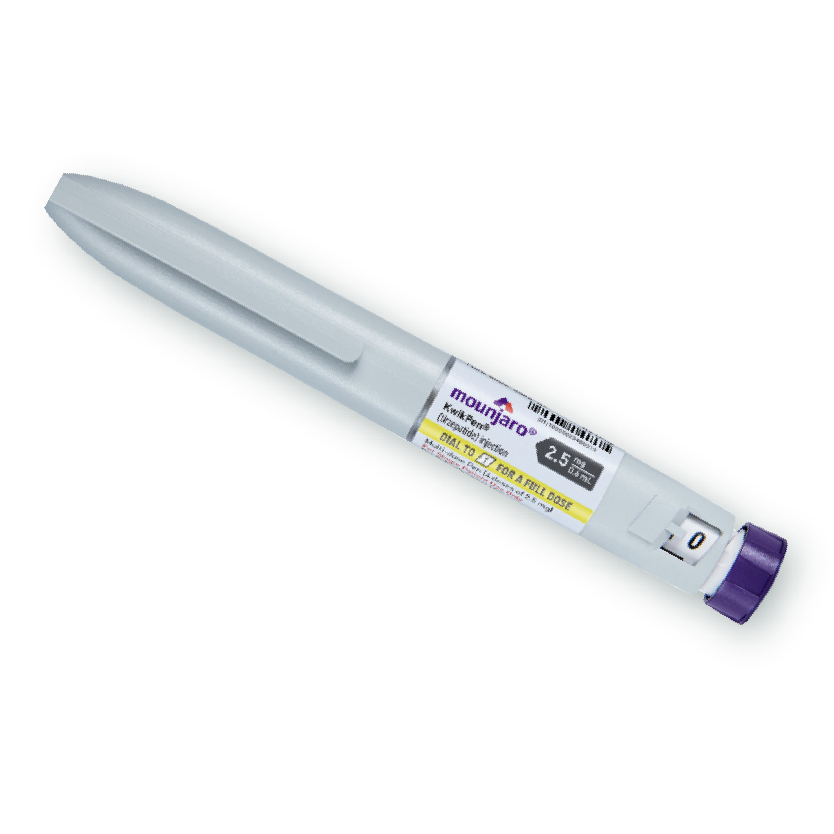
Mounjaro (tirzepatide) is the most effective weight loss medication currently available in the UK. In the landmark SURMOUNT-1 trial, participants on the highest dose lost an average of 22.5% of their body weight over 72 weeks; results previously associated only with bariatric surgery.
However, those numbers came from controlled trial conditions, with structured lifestyle support already built in. In the real world, what you do alongside the weekly injection determines where you land on that curve.
The gap between average results and maximum results comes down to a handful of factors most people underestimate. The most critical one is muscle loss; and it's happening to almost everyone on Mounjaro who isn't actively working to prevent it.
The bottom line: Mounjaro does the heavy lifting on appetite suppression. Your job is to protect your muscles, fuel your body correctly, and build the habits that help keep the weight off for good.
What Mounjaro is actually doing in your body
Most weight loss medications target a single hormone pathway. Mounjaro targets two.
Tirzepatide (the active ingredient in Mounjaro) activates both the GLP-1 receptor and the GIP receptor, which are two hormones involved in appetite regulation, insulin secretion, and energy balance. This dual mechanism is why Mounjaro consistently outperforms single-pathway GLP-1 medications in clinical trials, and why its effects on appetite can feel more pronounced, particularly at higher doses.
What this means practically:
- Appetite suppression is stronger: Many patients report significantly reduced food noise, sometimes from the first or second dose.
- Gastric emptying slows: Food moves through your system more slowly, extending the feeling of fullness.
- Energy balance shifts: The GIP pathway influences how your body handles energy storage, which is part of why fat loss is more pronounced.
Understanding this helps explain why the lifestyle factors below matter so much. Mounjaro creates a powerful calorie deficit. What you do with that window determines the quality of the weight you lose.
The muscle loss problem nobody warns you about
Here is the uncomfortable truth: any significant calorie deficit causes your body to lose both fat and muscle. Mounjaro’s appetite suppression is powerful enough to create a very large deficit which is great for fat loss but means the muscle loss risk is real and needs to be actively managed.
This matters for three reasons:
- Metabolism: Muscle is a metabolically active tissue. Less of it means a slower resting metabolic rate, making it harder to maintain weight loss long-term.
- Body composition: Losing weight without preserving muscle can leave you feeling weaker and less toned, even at a lower number on the scale.
- Rebound risk: Low muscle mass is one of the strongest predictors of rapid weight regain if you reduce your dose or stop the medication.
What to do about it
Resistance training is the most effective tool for preserving muscle during Mounjaro treatment. Aim for at least two to three sessions per week, focusing on compound movements: squats, deadlifts, rows, pressing exercises. You don’t need a gym; bodyweight exercises done consistently make a real difference.
The goal isn’t to build significant new muscles in a calorie deficit (that’s very difficult). It’s to send a strong enough signal to your body that the muscle you have is worth keeping.
Nutrition: making every bite count
Mounjaro dramatically reduces appetite. For many patients, eating enough becomes a challenge rather than eating too little. When food volume drops sharply, micronutrient deficiencies become a real concern which is a risk most GLP-1 guides don’t address directly.
The principle to follow is nutrient density over calorie volume. Every meal needs to work harder.
Prioritise protein above everything else
Protein is the single most important dietary variable while on Mounjaro. It supports muscle retention, keeps you fuller for longer, and has the highest thermic effect of any macronutrient, meaning your body burns more energy just digesting it. A general target is 1.2 to 1.6 grams of protein per kilogram of body weight per day.
Good protein sources that are easy to eat in smaller volumes include:
- Greek yoghurt, cottage cheese, eggs
- Chicken breast, turkey, white fish
- Edamame, lentils, tofu
- Protein shakes when appetite is very low
What to limit
As Mounjaro reduces appetite, prioritising nutritious foods can help your body get what it needs, even when you’re eating smaller portions. Ultra-processed foods, refined carbohydrates, and sugary drinks fill your reduced calorie budget without delivering meaningful nutrition. They also tend to worsen the gastrointestinal side effects (nausea, bloating, constipation) that are common in the early stages of treatment.
Alcohol deserves a specific mention. Many patients report increased sensitivity to alcohol on Mounjaro, and it adds empty calories while impairing sleep quality, which directly undermines weight loss.
Sleep, stress, and the hormones working against you
Two factors that rarely appear in Mounjaro guides have an outsized impact on results: sleep quality and chronic stress. Both affect the same hormonal systems the medication is working to regulate.
Poor sleep raises cortisol, the body’s primary stress hormone. Elevated cortisol disrupts insulin sensitivity, increases cravings for high-calorie foods, and signals the body to store fat preferentially around the abdomen. Research published in 2022 found that sleeping fewer than six hours per night is a significant independent risk factor for weight gain and higher BMI, regardless of diet or medication. If sleep is consistently poor, it’s worth raising with your prescriber as it may be limiting your results more than any dietary factor.
Chronic stress works through the same cortisol pathway. Stress management isn’t a soft recommendation; it’s a metabolic intervention. Techniques with the strongest evidence base include:
- Mindfulness and breathing exercises — even 10 minutes daily has measurable cortisol-lowering effects.
- Regular low-intensity movement such as walking, which reduces stress hormones without placing significant demand on the body.
- Limiting screen time before bed, which reduces the cortisol spike associated with late-night stimulation.
Working with your dose, not against it
Mounjaro uses a gradual titration schedule; starting at 2.5mg weekly and increasing every four weeks up to a maximum of 15mg. This gradual approach is intentional; it’s clinically designed to minimise side effects while allowing your body to adjust safely and comfortably. Rushing titration is one of the most common ways patients undermine their own results.
Don’t push for the highest dose as quickly as possible. If you’re losing weight steadily and tolerating your current dose well, staying there is a legitimate and often preferable choice. The 15mg ceiling represents the maximum the medication can do, not the dose everyone needs to reach.
A few practical notes:
- Inject on the same day each week, at roughly the same time.
- Consistency matters more than perfection — a day late is far better than skipping entirely.
- Side effects are typically worst in the 24 to 48 hours after injection; ensure you eat small frequent meals and exercise around this window.
- Stay well hydrated throughout (aiming for 2L/day) to reduce constipation risk.
If results have plateaued after eight or more weeks on the same dose, speak to your prescriber. A dose increase may be appropriate, but so might a review of the lifestyle factors above.
Measuring progress beyond the scale
Weight is one measure of progress on Mounjaro. It isn’t the only one, and it can sometimes be misleading.
If you’re doing resistance training and preserving muscle while losing fat, the scale may move more slowly than you expect. This is not a failure; it’s a better outcome. Body composition changes tell a more accurate story than weight alone.
Track progress across multiple dimensions:
Plateaus are normal and expected, particularly after the first few months. They don’t mean Mounjaro has stopped working; they typically signal that your body has adapted and that a review of calorie intake, protein targets, or exercise intensity may help.
The patients who get the most from Mounjaro aren’t the ones who rely on the injection alone. They’re the ones who use the window of reduced appetite to build genuinely sustainable habits around food, movement, sleep, and stress. The medication creates the conditions. The lifestyle choices determine the outcome.
References
- Jastreboff AM, et al. Tirzepatide Once Weekly for the Treatment of Obesity. New England Journal of Medicine. 2022;387:205–216. doi:10.1056/NEJMoa2206038
- Wilding JPH, et al. Once-Weekly Semaglutide in Adults with Overweight or Obesity. New England Journal of Medicine. 2021;384:989–1002. doi:10.1056/NEJMoa2032183
- Linge J, et al. Body composition analysis in the SURMOUNT-1 trial: tirzepatide effects on fat and lean mass. Referenced in context of GLP-1/GIP dual agonism and lean mass outcomes.
- Bacaro V, et al. Sleep duration and obesity in adulthood: An updated systematic review and meta-analysis. Obesity Research & Clinical Practice. 2020;14(4):301–309. PMC9031614