


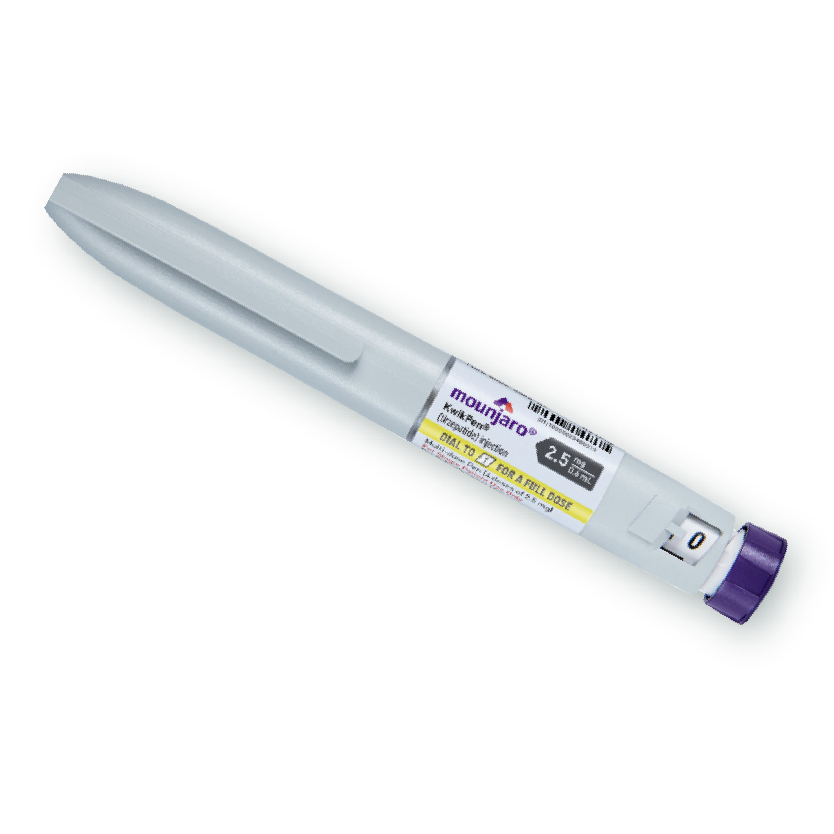
Experiencing aches on Mounjaro? Learn why body, joint or back pain can happen and how to manage symptoms effectively.
Overview of Mounjaro (tirzepatide)
Mounjaro is a once-weekly injectable medication used to treat type 2 diabetes and support weight loss. The active ingredient, tirzepatide, is a dual agonist of GLP-1 (Glucagon-like Peptide-1) and GIP (Gastric Inhibitory Polypeptide) receptors, which are involved in blood sugar regulation and appetite control.
By enhancing insulin secretion, slowing gastric emptying, and reducing appetite, tirzepatide can significantly improve blood glucose levels and promote weight loss.
What are the side effects of Mounjaro?
Common side effects shown in clinical trials are predominantly gastrointestinal and tend to occur during dose escalation phases. These include nausea, vomiting, diarrhoea, constipation and reduced appetite.
Are body aches a side effect of Mounjaro?
While not everyone experiences this symptom, it has been reported by some patients who have started taking Mounjaro.
The good news is that in many cases these aches are manageable and temporary. Understanding why they happen and what you can do about them can make the experience much easier to navigate.
Body aches may include:
- Muscle pain (myalgia)
- Joint pain (arthralgia)
- Generalised soreness or stiffness
- Back pain
Current evidence from the SURPASS and SURMOUNT clinical trials indicates that musculoskeletal problems are not a common or established side effect of Mounjaro (tirzepatide). While some participants reported these symptoms (3–7%), the rates were generally comparable to those in placebo groups, suggesting no clear causal link.
Why Mounjaro may result in body aches
Body aches linked to Mounjaro could be due to the result of a few overlapping factors. One of the most significant factors is rapid weight loss and the biomechanical changes that come with it. As the body loses weight, its composition shifts, often altering posture and the way joints bear load. This can place unfamiliar stress on muscles and connective tissues. At the same time, some individuals may lose lean muscle mass along with fat, which reduces the support around joints. Together, these changes can lead to feelings of soreness, stiffness, or general discomfort as the body adapts to its new structure.
Another possible explanation is a mild hypersensitivity reaction. When your body is introduced to a new medication, it may react in subtle ways such as generalised soreness or flu-like discomfort (fatigue and weakness) and joint pain. This can occur during the first few weeks.
Another contributing factor is hydration and electrolyte balance. Mounjaro often reduces appetite and slows digestion, which can unintentionally lead to drinking less water or consuming fewer electrolytes. Even mild dehydration can cause muscle aches, fatigue, and cramping.
Nutritional factors also play a role as Mounjaro often reduces appetite, people may end up consuming fewer calories than usual. While this supports weight loss, it can sometimes lead to reduced protein intake, which is essential for muscle repair and maintenance. Additionally, lower food intake can result in micronutrient deficiencies if meals are not carefully balanced. If you're eating less overall, you may not be getting enough key nutrients like magnesium or potassium. Magnesium in particular plays a crucial role in muscle relaxation, and low levels can lead to tightness and discomfort. These nutritional gaps may contribute to muscle weakness or discomfort, further adding to the sensation of body aches.
These indirect effects help explain why some individuals experience body aches while using Mounjaro. The combination of physical adaptation, fatigue, and nutritional changes creates a scenario where discomfort can arise even without the medication directly causing it.
What factors may contribute to body aches on Mounjaro
Mounjaro tolerance and dosage changes
Body aches are often most noticeable when you're just starting Mounjaro or when your dose is increased. These are the periods when your body is adjusting, and side effects tend to be more pronounced. It's also worth noting that individual tolerance varies widely. Some people can increase doses with minimal issues, while others may be more sensitive and experience aches or fatigue more easily. Additionally, drug interactions can play a role. If you're taking other medications that affect hydration, muscle function, or inflammation, they may amplify discomfort. It is important you report all medications that you are taking in your weight loss consultation so the clinician can assess if Mounjaro is safe for you to use.
Underlying health conditions and lifestyle factors
Your overall health and daily habits can also influence how your body responds. If you have pre-existing conditions like arthritis or fibromyalgia, you may find that Mounjaro-related aches feel more intense. These conditions can lower your threshold for pain or increase sensitivity to inflammation. Changes in physical activity are another factor. Many people become more active as they lose weight or feel more motivated, which can lead to muscle soreness that mimics medication side effects.
Finally, nutrition matters more than ever. Reduced calorie intake without careful planning can result in deficiencies that contribute to muscle discomfort, especially if protein and mineral intake drop too low.
How to address body aches on Mounjaro
Treatment and pain relief on Mounjaro
If you're dealing with body aches, there are several practical steps that can help. Most importantly, address hydration and diet. Staying well-hydrated is one of the simplest and most effective strategies. Drinking enough water and ensuring you're getting electrolytes through diet can make a noticeable difference in how your muscles feel. Even if your appetite is reduced, aim to include enough protein and key nutrients like magnesium and potassium to support muscle health.
Gentle movement can also help. Activities like walking, stretching, or yoga improve circulation and reduce stiffness, which can ease discomfort over time.
Over-the-counter pain relief options like paracetamol or ibuprofen may provide short-term relief. Some people also find benefit from topical treatments such as muscle creams or gels. You should consult a pharmacist or doctor before starting additional medications. If your symptoms persist or worsen, it's important to consult your healthcare provider. They can help determine whether the aches are medication-related or due to another cause.
When to adjusting medication and dosage due to body aches on Mounjaro
In some cases, body aches may signal that your current dose isn't suitable for you at the current time. The Phlo Clinic team may suggest slowing down dose increases or temporarily reducing your dose to give your body more time to adjust. This can often reduce side effects without sacrificing long-term benefits. It's also important to consider the overall balance of benefits and side effects. For some, mild aches are manageable given the improvements in blood sugar control or weight loss. For others, the discomfort may interfere with daily life. If the aches are severe or ongoing, your provider may recommend exploring alternative medications that better suit your body.
Are body aches a temporary side effect of Mounjaro?
Body aches tend to be temporary and most noticeable during the early stages of treatment or after dose adjustments. As your body adapts, these symptoms often subside. However, persistent or severe pain shouldn't be ignored. If something doesn't feel right, it's always worth checking in with a medical professional.
Experiencing body aches while taking Mounjaro can be frustrating, especially if you weren't expecting it. But in most cases, it's a manageable side effect with clear steps you can take to reduce discomfort. By staying hydrated, supporting your nutrition, and working closely with your healthcare provider, you can give your body the best chance to adjust smoothly and continue benefiting from the treatment.
References
- Farzam K, Patel P. Tirzepatide. [Updated 2024 Feb 20]. [Accessed online]. Treasure Island (FL): Publishing; 2026 Jan-. Available from: https://www.ncbi.nlm.nih.gov/books/NBK585056
- Farzam K, Patel P. Tirzepatide. [Updated 2024 Feb 20]. [Accessed online]. Treasure Island (FL): Publishing; 2026 Jan-. Available from: https://www.ncbi.nlm.nih.gov/books/NBK585056
- Lilly's SURPASS-1 results published in The Lancet show tirzepatide's superior A1C and body weight reductions versus placebo in adults with type 2 diabetes [June 2021] https://investor.lilly.com/node/45246/pdf
- Jensen TL, Brønden A, Karstoft K, Sonne DP, Christensen MB. The Body weight Reducing Effects of Tirzepatide in People with and without Type 2 Diabetes: A Review on Efficacy and Adverse Effects. Patient Prefer Adherence. [February 2024] https://pubmed.ncbi.nlm.nih.gov/38352159/
- Tirzepatide in dermatology: cutaneous adverse events, emerging therapeutic roles, and cosmetic implications – A comprehensive review [December 2024] https://pmc.ncbi.nlm.nih.gov/articles/PMC12800350/
- 8 Signs of Dehydration You Shouldn’t Ignore [June 2024] https://www.aarp.org/health/conditions-treatments/dehydration-in-older-people/
- What nutrients is the body lacking when it frequently experiences muscle cramps? [January 2025]. [Accessed online].
https://www.vinmec.com/eng/blog/what-is-the-lack-of-a-substance-in-the-body-that-has-cramps-en - Understanding fibromyalgia [January 2012]. [Accessed online]. https://www.athletico.com/2012/01/31/understanding-fibromyalgia/
- 8 Signs of Protein Deficiency [December 2025]. [Accessed online]. https://www.ncoa.org/article/8-signs-of-protein-deficiency-in-older-adults/
- J L Krok-Schoen, et al. Low Dietary Protein Intakes and Associated Dietary Patterns and Functional Limitations in an Aging Population: A NHANES analysis. Journal of Nutrition, Health and Aging. [2019]. [Accessed online] https://pubmed.ncbi.nlm.nih.gov/30932132/

