

Mounjaro Face: Is it real and how to prevent it
What is Mounjaro face?
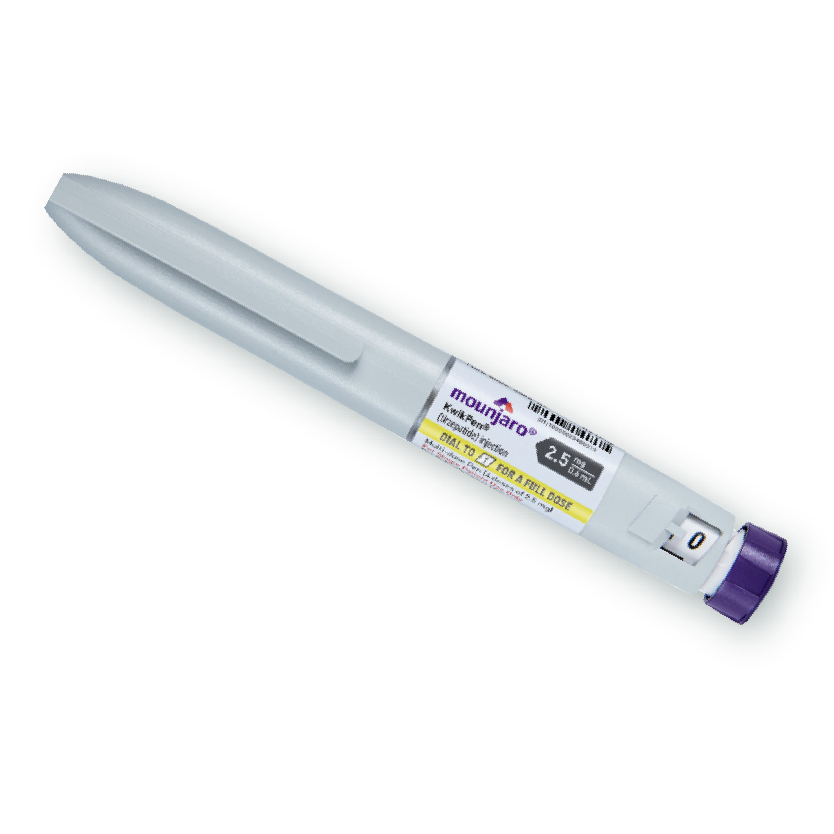
"Mounjaro face" is a term used to describe the facial changes some people notice while using Mounjaro (tirzepatide) for weight loss. Much like the widely discussed "Ozempic face," it describes an appearance of accelerated facial aging that can follow a significant drop in weight.
Rather than being a medical diagnosis, it is characterised by increased facial hollowness, sagging skin, and more pronounced wrinkles. This typically occurs when facial fat is lost faster than the skin can adapt to its new contours. When the "padding" under the skin disappears rapidly, the skin may struggle to "snap back," leading to a less firm or more tired appearance. [1][2]
Why does Mounjaro face happen?
The reason for these changes is biological rather than chemical. Mounjaro is a GLP-1 and GIP receptor agonist that promotes weight loss through appetite suppression [2]. As the body metabolises fat for energy, it doesn't discriminate; facial fat is lost along with overall body fat.
The face relies on specific fat pads to provide volume and a youthful glow. When this facial fat padding is lost during rapid weight loss, it reveals the underlying bone structure more prominently, such as the cheekbones and temples, which can create a "gaunt" or sunken look. Ultimately, the appearance of accelerated aging is not a direct side effect of the medication itself, but rather a physical consequence of the speed at which the facial volume reduces. [1]
Typical features of Mounjaro face
The typical features of "Mounjaro face" tend to be most visible in the cheeks, jawline, and under-eye areas. The cheeks appear less rounded, the under-eye areas appear more sunken and fine lines become more noticeable.
These changes are more pronounced in patients who lose significant weight quickly, as the body's tissues have less time to adjust to the new shape.
It is also often more noticeable in older individuals, whose skin naturally has less collagen and elasticity to help it bounce back. While it shares some characteristics with natural aging, it differs by its accelerated timeline; changes that might usually take a decade can appear in just a few months.
Importantly, this can occur regardless of a patient's starting weight or BMI, as it is the speed and volume of the loss, not just the starting point, that dictates how the skin reacts. [3][4]
"Mounjaro face" doesn't usually appear overnight; it typically becomes noticeable after a 10–15% reduction in total body weight. This is the point where the loss of facial fat pads which act as the face's natural 'filler' becomes visible to the naked eye. [5]
While this can happen to anyone, certain factors make these changes more prominent:
- Age: The effects are often more pronounced as we get older. Over time, our bodies naturally produce less collagen and elastin - the essential proteins that give skin its 'snap-back' quality. When weight loss occurs in more mature skin, these lower levels of structural support make it harder for the skin to naturally contract and remodel around your new facial contours. [6][7]
- Skin Health: Those with pre-existing sun damage may notice more pronounced changes, as UV rays weaken the skin’s ability to remodel around new contours.[8]
- Individual Variation: Just as we lose weight differently, our faces react uniquely based on genetics and starting skin laxity.
By understanding that these changes are a result of substantial fat and muscle loss (as seen in the SURMOUNT-1 trials), patients can better prepare for their transformation journey.
Managing and Treating Mounjaro Face
While you cannot choose where your body loses fat, there are proactive steps you can take to support your skin’s elasticity and maintain a healthy facial appearance during your journey:
- Aim for a gradual weight loss: Where medically appropriate, losing weight at a steady, sustainable pace (typically 0.5kg to 1kg per week) gives your skin more time to adapt and "shrink-wrap" around your changing contours.
- Prioritise a protein-rich diet: This is vital for preserving lean muscle mass.
- Support collagen through skincare: Implement a proactive routine that focuses on collagen support. Ingredients like retinoids, vitamin C, and peptides can help encourage skin firmness and resilience. [8]
- Stay hydrated: Dehydrated skin is less elastic and more prone to showing fine lines and wrinkles.
- Rigorous sun protection: Since UV rays are the primary cause of collagen breakdown, wearing a high-factor SPF daily is crucial.
- Maintain muscle tone: Some patients find that regular facial exercises help keep the underlying muscles toned, which can provide better structural support as the overlying fat diminishes. [10]
Are there skin care products that can help with Mounjaro face?
While skincare cannot replace the fat lost during your journey, certain ingredients can help the skin stay firm and resilient:
- Topical Retinoids: Often considered the "gold standard," retinoids (like Retinol) are clinically proven to stimulate collagen production, helping the skin stay thicker and more elastic. [6]
- Peptides: These act as "messengers" to the skin, encouraging it to support its own structure and repair itself.
- Hyaluronic Acid Serums: Known for holding 1,000 times its weight in water, this is excellent for surface hydration and immediate plumping, making fine lines look less pronounced. [11]
- Vitamin C: A powerful antioxidant that is essential for the natural production of collagen while protecting your skin from environmental damage. [6]
- Ceramides: These fats help strengthen your skin barrier, preventing moisture loss and keeping the skin looking healthy and "supple." [11]
- Niacinamide (Vitamin B3): Helps improve skin elasticity and texture, making it a great all-rounder for a smoother complexion. [6]
What nutrition and lifestyle changes can help with Mounjaro face?
Supporting your skin from the inside out is just as important as what you apply topically:
- Protein-Rich Diet: Ensure you meet your daily protein targets helps maintain lean muscle and collagen levels, providing better "internal scaffolding" for your face. [12]
- Omega-3 Fatty Acids: Found in oily fish and seeds, these help maintain the natural oil barrier of the skin, keeping it hydrated and glowing. [13]
- Antioxidants & Vitamin C: A diet rich in colourful fruits and vegetables provides the antioxidants needed to combat oxidative stress and the Vitamin C necessary for collagen synthesis. [11]
- Collagen Supplements: While clinical evidence is still evolving, some studies suggest that hydrolysed collagen may improve skin hydration and elasticity over time. [14]
- Healthy Habits: Limiting alcohol and avoiding smoking is crucial, as both accelerate skin aging by restricting blood flow and breaking down collagen.
- Facial Massage: Regular, gentle massage can help stimulate circulation, bringing more oxygen and nutrients to the skin's surface.
A normal step in your weight loss journey: getting used to your new body
It is completely normal to feel a mix of emotions when your reflection changes. While the health benefits of weight loss, such as improved blood pressure and mobility, are life-changing, it takes time to adjust to your new appearance.
- Managing Expectations: Understand that facial changes are a natural part of a significant physical transformation.
- Balance: Focus on the incredible health improvements you are achieving. "Mounjaro face" is often a sign that the medication is working exactly as intended to reduce body fat.
- Celebrating Your Health: Beyond the cosmetic, celebrate the non-scale victories, such as having more energy, improved health, or sleeping better.
- Confidence Through Care: At Phlo Clinic, we are here to support you through every stage. Building confidence comes from personalised care and knowing that you are making the best choices for your long-term health and wellbeing.
References
- Catalfamo, L., De Ponte, F. S., & De Rinaldis, D. (2025). “Ozempic Face”: An Emerging Drug-Related Aesthetic Concern and Its Treatment with Endotissutal Bipolar Radiofrequency (RF)—Our Experience. Journal of Clinical Medicine, 14(15), 5269. https://doi.org/10.3390/jcm14155269
- Mounjaro SPC Mounjaro Summary of Product Characteristics (SPC). https://www.medicines.org.uk/emc/product/12996/smpc
- Haykal, D., et al. (2024). The role of GLP-1 agonists in esthetic medicine: Exploring the impact of semaglutide on body contouring and skin health. Journal of Cosmetic Dermatology, 24. https://doi.org/10.1111/jocd.16716
- Nonsurgical aesthetic treatment of the face and neck in GLP-1 receptor agonist weight loss patients: Experience-based considerations. (2026). Aesthetic Surgery Journal Open Forum. https://doi.org/10.1093/asjof/ojag011
- Look, M., et al. (2025). Body composition changes during weight reduction with tirzepatide in the SURMOUNT-1 study of adults with obesity or overweight. Diabetes, Obesity and Metabolism, 27(5), 2720–2729. https://doi.org/10.1111/dom.16275
- British Skin Foundation. (2024). Skin Ageing. https://www.britishskinfoundation.org.uk/skin-ageing
- Haykal, D., et al. (2024). The role of GLP-1 agonists in esthetic medicine: Exploring the impact of semaglutide on body contouring and skin health. Journal of Cosmetic Dermatology, 24. https://doi.org/10.1111/jocd.16716
- Zhong, H., et al. (2021). UV exposure and skin aging: solar elastosis in the dermis. PubMed Central (PMC). https://pmc.ncbi.nlm.nih.gov/articles/PMC8597149/
- NHS England. (2024). Safe weight loss: Managing your weight. https://www.nhs.uk/live-well/healthy-weight/managing-your-weight/safe-weight-loss/
- Jastreboff, A. M., et al. (2022). Tirzepatide Once Weekly for the Treatment of Obesity (SURMOUNT-1). The New England Journal of Medicine, 387, 205–216. https://www.nejm.org/doi/full/10.1056/NEJMoa2206038
- NHS England. (2024). How to look after your skin. https://www.nhs.uk/live-well/healthy-body/look-after-your-skin/
- British Nutrition Foundation. (2024). Protein and muscle health. https://www.nutrition.org.uk/healthy-sustainable-diets/protein/
- British Journal of Dermatology: "The role of Omega-3 in skin barrier function and systemic
inflammation." https://academic.oup.com/bjd - de Miranda, R. B., et al. (2021). Effects of oral collagen supplementation on skin aging: A meta-analysis of randomized controlled trials. International Journal of Dermatology, 60(12), 1449–1461. https://doi.org/10.1111/ijd.15518

