

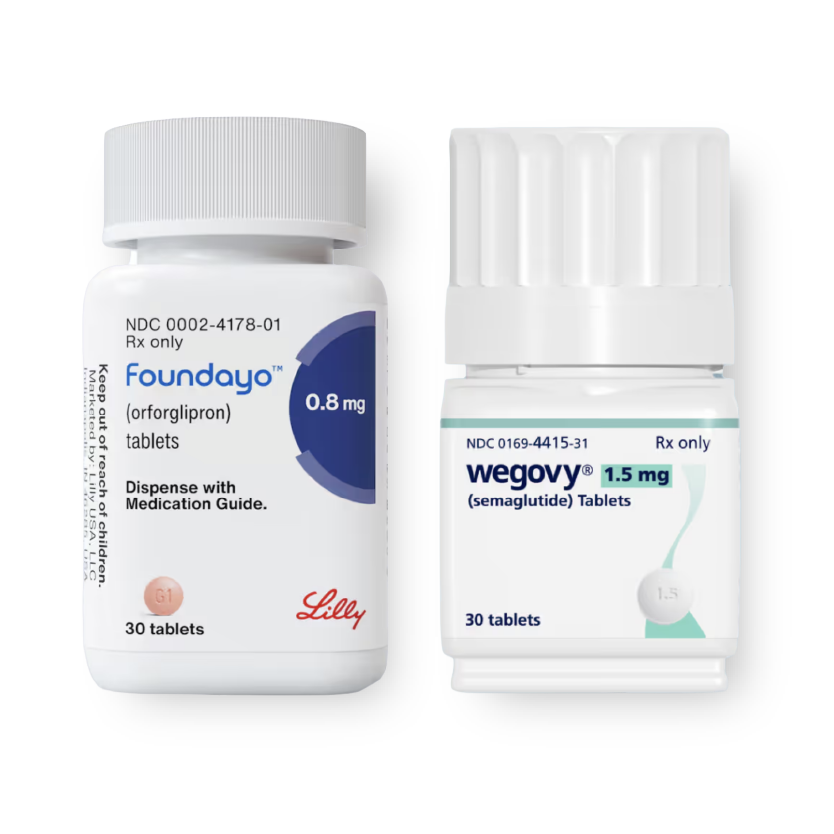
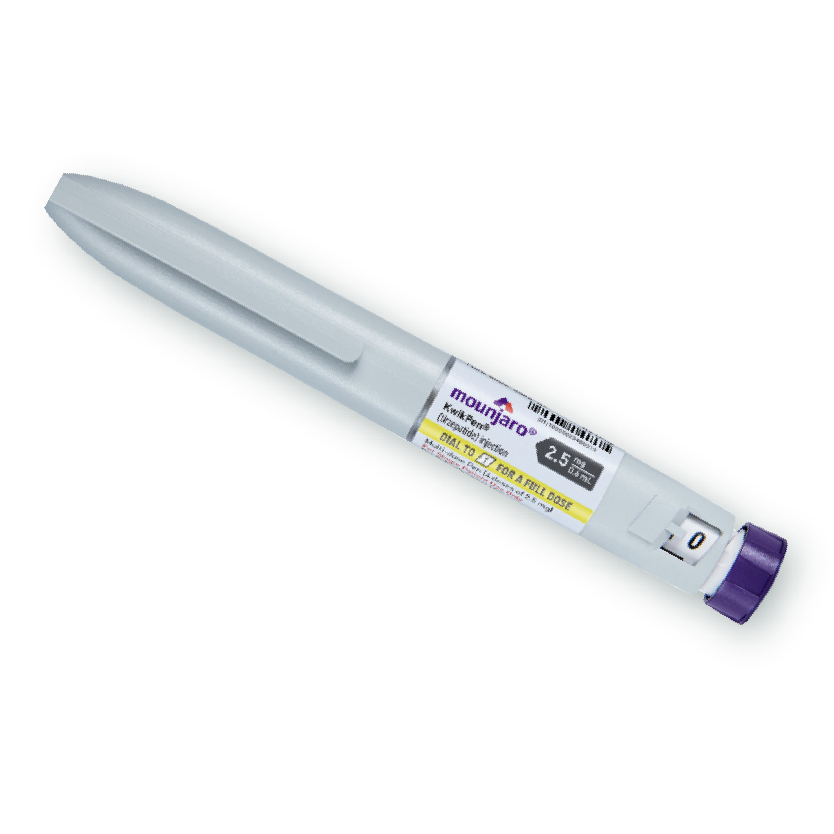
Mounjaro is a GLP-1/GIP weight loss medication that can cause digestive side effects while your body adjusts to treatment. One of these is heartburn or acid reflux, which some patients notice particularly in the early weeks of treatment or after increasing their dose. Symptoms can include a burning feeling in the chest, bloating, nausea, or a sour taste in the mouth.
The good news is that these symptoms are often temporary and can usually be improved with simple lifestyle changes, dose adjustment support and the right clinical treatment plan and guidance.
In this blog, we’ll explain why Mounjaro can cause heartburn, when symptoms are most likely to happen, what may help reduce acid reflux and when it’s important to seek medical advice.
Mounjaro and heartburn: Can Mounjaro cause heartburn?
Mounjaro can cause or worsen heartburn in some patients. Although reflux symptoms are not the single most common side effect, gastro-oesophageal reflux disease (GORD), indigestion and upper stomach discomfort have all been reported more often with Mounjaro than placebo in clinical trials.
Why Mounjaro can trigger reflux symptoms
Mounjaro works partly by slowing down how quickly the stomach empties food into the gut. This helps people feel fuller for longer, but it can also leave food sitting in the stomach for longer than usual. In some patients this increases pressure inside the stomach and makes it easier for stomach acid to move upwards into the oesophagus, the tube connecting the mouth and stomach, creating a heartburn sensation.
Other common digestive side effects, including nausea, bloating, fullness and occasional vomiting, can aggravate heartburn further.
When is heartburn most likely to happen on Mounjaro?
Heartburn and reflux symptoms are usually most noticeable during the first few weeks of treatment or shortly after increasing the dose rather than later-on during a stable maintenance dose. Clinical trials found that digestive side effects tend to cluster around the dose-escalation phase and are generally mild to moderate for most patients. Many people find symptoms improve once the body adapts to the new dose, but persistent, severe or worsening heartburn should still be reviewed by your prescriber, especially if symptoms interfere with eating, sleep or daily life.
What usually helps: practical ways to ease Mounjaro heartburn
If heartburn starts after beginning Mounjaro, there are several simple steps that may help reduce symptoms while your body adjusts to treatment:
- Eat smaller meals and take your time when eating, rather than having large portions quickly.
- Avoid heavy or high-fat meals, especially in the evening, as these can make reflux worse.
- Try not to lie down straight after eating and leave a few hours between your last meal and bedtime.
- Keep a note of any foods or drinks that seem to trigger symptoms, such as spicy foods, caffeine or alcohol.
- If symptoms continue, speak with a Pharmacist at Phlo Clinic about over-the-counter heartburn treatments that may be suitable for you.
When should I seek medical attention?
Mild heartburn and reflux symptoms can often be managed at home but persistent, severe or repeatedly returning symptoms should be reviewed.
Please contact our clinical team at Phlo Clinic if you have:
- Heartburn or reflux symptoms that keep returning despite self-management
- Ongoing nausea, bloating or indigestion that is affecting eating or daily life
- Symptoms that seem to worsen after each dose increase
- Concerns about whether your current dose is right for you
If any of these rare but more severe symptoms appear, please contact your GP or call NHS 111 immediately:
- Repeated vomiting
- Difficulty swallowing
- Chest pain
- Signs of dehydration, such as dizziness, confusion or very dark urine
- Black or tar-like stools
- Severe upper abdominal pain
For many patients mild to moderate heartburn does not automatically mean they need to stop Mounjaro, especially during the early stages of treatment or around dose increases. The most important factors are how severe the symptoms are, how long they last and how manageable the side effects feel overall. Many reflux symptoms improve as the body adjusts to treatment, particularly with supportive lifestyle changes and careful dose progression.
Instead of stopping treatment on your own, speak with our clinical team here at Phlo Clinic so we can help you decide on the safest and most effective way to manage your symptoms while continuing your treatment plan.
References
- Jastreboff, A. M., Aronne, L. J., Ahmad, N. N., et al. (2022). Tirzepatide Once Weekly for the Treatment of Obesity. New England Journal of Medicine, 387(3), 205–216.
- Gorgojo-Martínez JJ, Mezquita-Raya P, Carretero-Gómez J, Castro A, Cebrián-Cuenca A, de Torres-Sánchez A, García-de-Lucas MD, Núñez J, Obaya JC, Soler MJ, Górriz JL, Rubio-Herrera MÁ. Clinical Recommendations to Manage Gastrointestinal Adverse Events in Patients Treated with Glp-1 Receptor Agonists: A Multidisciplinary Expert Consensus. J Clin Med. 2022 Dec 24;12(1):145. doi: 10.3390/jcm12010145. PMID: 36614945; PMCID: PMC9821052.
- Electronic Medicines Compendium. (2023). Mounjaro 2.5 mg–15 mg solution for injection in pre-filled pen (tirzepatide) – Summary of Product Characteristics.

