

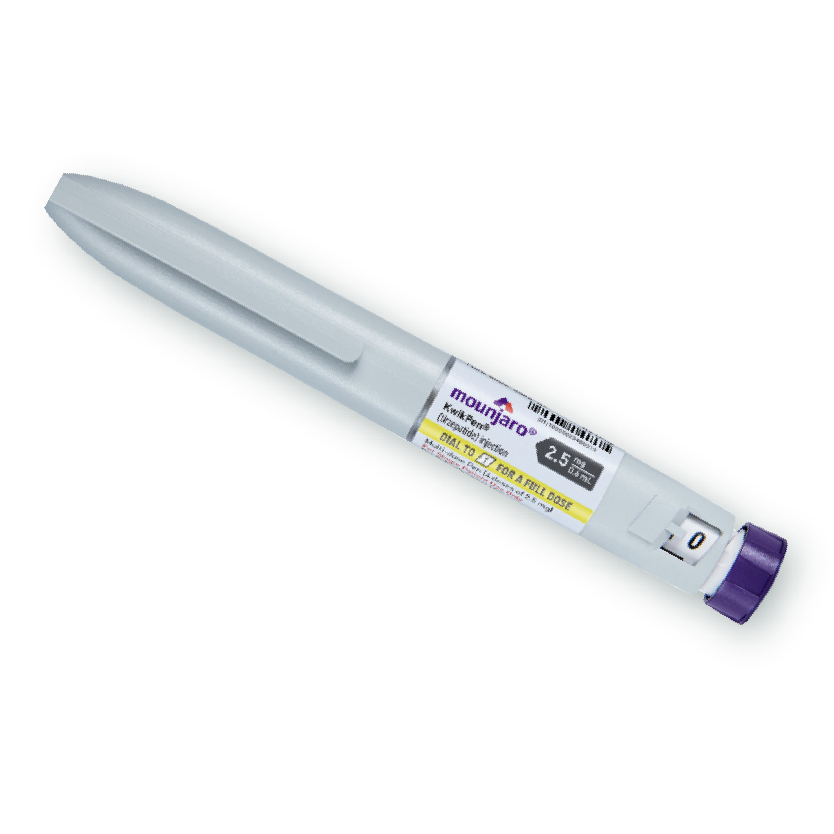
For most people, when prescribed correctly and used under clinical supervision, then Mounjaro is safe to take. But “safe” doesn’t mean “without side effects,” and there are specific groups of people for whom Mounjaro isn’t appropriate at all.
This guide breaks down what the evidence actually says, from the clinical trial data behind the MHRA’s approval to the MHRA’s own February 2026 safety update, so you can make a genuinely informed decision rather than rely on headlines.
Key fact: Mounjaro (tirzepatide) was authorised by the MHRA for weight management in November 2023, following review by the independent Commission on Human Medicines. It is a prescription-only treatment, and that’s deliberate.
What the clinical evidence says
Mounjaro’s safety and efficacy profile is backed by one of the most substantial clinical trial programmes in the history of weight loss medicine.
The MHRA’s authorisation was based primarily on two large-scale, randomised, double-blind, placebo-controlled trials: SURMOUNT-1 and SURMOUNT-2, involving a combined 3,477 participants.
The weight loss results were significant. In SURMOUNT-1, non-diabetic participants on the 15mg dose lost an average of 22.5% of their body weight over 72 weeks, compared to 2.4% on placebo. More than 96% of participants on the higher doses lost at least 5% of their body weight.
These improvements to weight are clinically meaningful changes that reduce the risk of conditions like type 2 diabetes, high blood pressure, and cardiovascular disease.
When it comes to safety, a medicine with this level of regulatory scrutiny, across thousands of participants, gives regulators and clinicians a clear picture of what to expect. The side effects aren’t unknown quantities; they’re well-characterised and, in the vast majority of cases, manageable.
The SURMOUNT-4 trial, published in January 2024, added further weight to the long-term safety picture. Participants who continued tirzepatide (Mounjaro) maintained an average total weight loss of 25.3% at 88 weeks, with the most common adverse events being mild to moderate gastrointestinal symptoms that reduced over time.
NICE-recommended and NHS-endorsed
NICE recommends tirzepatide (Mounjaro) as an option for weight management in primary care and specialist services. This endorsement matters because NICE applies a rigorous cost-effectiveness and safety threshold before recommending any treatment for routine NHS use. The bar is set high.
Common side effects: what most people actually experience
According to the MHRA and the SURMOUNT trial data, the most commonly reported side effects are:
- Nausea (the most frequent, particularly in the first few weeks)
- Diarrhoea
- Vomiting
- Constipation
- Reduced appetite (which is partly due to the way Mounjaro works)
- Indigestion and acid reflux
- Burping and flatulence
- Injection site reactions (mild redness or discomfort)
The key pattern: These symptoms peak during dose increases and typically settle as your body adjusts. NICE guidance explicitly notes that the incidence of nausea, vomiting and diarrhoea is highest during a dose escalation period and decreases over time. Most patients do not stop treatment because of them as they subside.
For a deeper look at managing these symptoms, our Mounjaro side effects guide covers practical strategies for each one, including what to eat, how to stay hydrated, and when to speak to your prescribing pharmacist.
Dehydration: the risk that’s easy to underestimate
One side effect that deserves specific attention is dehydration. If vomiting or diarrhoea are severe, they can lead to significant fluid loss. In rare cases, this has resulted in hospitalisation. NICE guidance specifically advises patients to stay well hydrated throughout treatment, and especially after any vomiting or diarrhoea.
Becoming dehydrated when experiencing side effects is the most common route by which an otherwise manageable side effect escalates.
Serious risks: rare but important to understand
Serious side effects are uncommon, but they’re the reason Mounjaro requires a prescription and clinical oversight. Understanding them isn’t a reason to avoid treatment; it’s a reason to take it properly.
Pancreatitis
This is the most significant safety update in 2026. In February, the MHRA updated the product information for all GLP-1 and GLP-1/GIP receptor agonists, including tirzepatide (Mounjaro), to highlight the potential risk of severe acute pancreatitis, including rare reports of necrotising and fatal pancreatitis.
In the SURMOUNT clinical trials, acute pancreatitis was confirmed in 13 patients out of those treated with Mounjaro (0.2%). That’s a low rate, but the severity when it does occur makes it a red flag to know.
Symptoms to seek urgent medical attention for:
- Severe, persistent abdominal pain
- Pain that radiates to your back
- Nausea and vomiting accompanying the pain
Gallbladder problems
Gallstone disease and bile duct blockage were reported in clinical trials. Rapid weight loss itself (regardless of method) increases gallstone risk, so this is partly a consequence of the treatment working rather than a direct drug toxicity effect. It’s worth discussing with your prescriber if you have any history of gallbladder issues.
Thyroid cancer risk
Mounjaro carries a warning about a possible risk of medullary thyroid carcinoma (MTC). This is based on animal studies in rats that showed a dose-dependent increase in thyroid tumours. Importantly, no cases of MTC were observed in patients treated with Mounjaro across the registration clinical trials in humans. The human relevance of the animal findings has not been established.
This warning exists because the risk cannot currently be ruled out, not because human evidence confirms it. However, it does mean Mounjaro is contraindicated for anyone with a personal or family history of MTC.
Other serious but uncommon effects
Who should not take Mounjaro
Mounjaro is not suitable for everyone. A thorough medical questionnaire before prescribing exists precisely to identify these cases.
You should not take Mounjaro if any of the following apply:
- Personal or family history of medullary thyroid carcinoma (MTC) or Multiple Endocrine Neoplasia syndrome type 2 (MEN 2)
- History of pancreatitis (patients with this history were excluded from clinical trials; caution is advised)
- Pregnancy, breastfeeding, or actively trying to conceive (Mounjaro should be stopped at least one month before a planned pregnancy due to its long half-life and should only be restarted at least one month after birth, as long as you are not breastfeeding)
- Known allergy to tirzepatide or any ingredient in the formulation
- Severe gastrointestinal disease, including severe gastroparesis
- Diabetic eye disease (retinopathy)
An important note on contraception: If you take the oral contraceptive pill, Mounjaro can reduce its effectiveness. The MHRA advises using a barrier method of contraception for four weeks after starting Mounjaro and for four weeks after each dose increase. Our guide on Mounjaro and contraception covers this in full.
If you have a health condition not listed here, that doesn’t automatically mean Mounjaro is unsuitable. Your prescribing pharmacist will assess your individual circumstances as part of the consultation process.
How to take Mounjaro as safely as possible
Safety isn’t just about whether you’re eligible; it’s about how you use the treatment. These are the practices that make the biggest difference.
1. Follow the dose escalation schedule
Mounjaro starts at 2.5mg weekly and increases every four weeks, up to a maximum of 15mg. This gradual escalation is the mechanism that allows your body to adjust and significantly reduces the severity of gastrointestinal side effects. Skipping ahead to a higher dose to speed up results is one of the most common reasons patients experience avoidable discomfort.
If side effects are significant at a particular dose, NICE guidance supports pausing escalation until they resolve or even stepping back down by 2.5mg temporarily.
2. Eat differently, not less
Mounjaro slows gastric emptying, which means food stays in your stomach longer. Large, fatty, or heavily spiced meals are more likely to trigger nausea. Smaller, more frequent meals, with a focus on protein and fibre, work with the treatment rather than against it. Our guide on what to eat on Mounjaro has practical, dietitian-informed advice on this.
3. Stay hydrated
This comes up repeatedly in clinical guidance because it matters. Adequate hydration reduces the risk of dehydration from GI side effects and supports kidney function. Aim for at least 1.5 to 2 litres of water per day, and increase this if you’re experiencing vomiting or diarrhoea.
4. Report side effects
As a relatively new medicine, the MHRA actively encourages reporting of suspected reactions via the Yellow Card scheme. This isn’t just bureaucracy; it’s how post-market safety data is built up and how warnings like the February 2026 pancreatitis update are generated.
Is Mounjaro safe?
For eligible patients, Mounjaro is a well-evidenced, MHRA-authorised, NICE-recommended treatment with a clear safety profile built from thousands of clinical trial participants. The most common side effects are gastrointestinal, temporary, and manageable. The serious risks are rare, well-characterised, and largely mitigated by proper prescribing and patient education.
The real risk is the unregulated version: buying tirzepatide from unverified sources, without a proper clinical assessment, without dose escalation support, and without anyone reviewing your medical history. That’s where safety genuinely breaks down.
Starting Mounjaro through a regulated prescribing service means:
- A clinical review of your full medical history before any prescription is issued
- Ongoing support through your treatment
- Access to qualified prescribing pharmacists if you have concerns
If you’re ready to find out whether Mounjaro is right for you, start your consultation with Phlo Clinic. Our prescribing pharmacists review every order individually and will only approve treatment where it’s clinically appropriate.
References
- Jastreboff AM, et al. Tirzepatide Once Weekly for the Treatment of Obesity (SURMOUNT-1). New England Journal of Medicine. 2022. https://www.nejm.org/doi/full/10.1056/NEJMoa2206038
- MHRA. MHRA authorises diabetes drug Mounjaro (tirzepatide) for weight management and weight loss. November 2023. https://www.gov.uk/government/news/mhra-authorises-diabetes-drug-mounjaro-tirzepatide-for-weight-management-and-weight-loss
- MHRA. MHRA Safety Roundup: February 2026. https://www.gov.uk/drug-device-alerts/mhra-safety-roundup-february-2026
- Aronne LJ, et al. Continued Treatment With Tirzepatide for Maintenance of Weight Reduction in Adults With Obesity: The SURMOUNT-4 Randomized Clinical Trial. JAMA. 2024;331(1):38-48. https://pubmed.ncbi.nlm.nih.gov/38078870/
- NICE. Overweight and obesity management: prescribing tirzepatide. NICE Guideline NG246. https://www.nice.org.uk/guidance/ng246/
- MHRA. Yellow Card scheme. https://yellowcard.mhra.gov.uk/

