.png)
Is Mounjaro still the Most Effective Weight Loss Drug in 2026
Weight loss medications have gone from niche treatments to mainstream conversation, with names like Mounjaro and Wegovy now widely recognised across the UK. Among them, Mounjaro (tirzepatide) continues to stand out for its impressive clinical trial results and significant average weight loss.
But with more treatments becoming available, many people are asking the same question: is Mounjaro still the most effective weight loss medication available?
In this guide, we break down the latest evidence, compare Mounjaro with alternatives like Wegovy, and explore what may be next for medically supported weight management.
What Is Mounjaro?
Mounjaro is the brand name for tirzepatide, an injectable prescription medication. While it was originally developed to treat type 2 diabetes, it gained rapid approval and popularity for weight management due to its significant results. Unlike older treatments that might rely solely on stimulants or fat blockers, Mounjaro works with your body's natural hormone receptors.
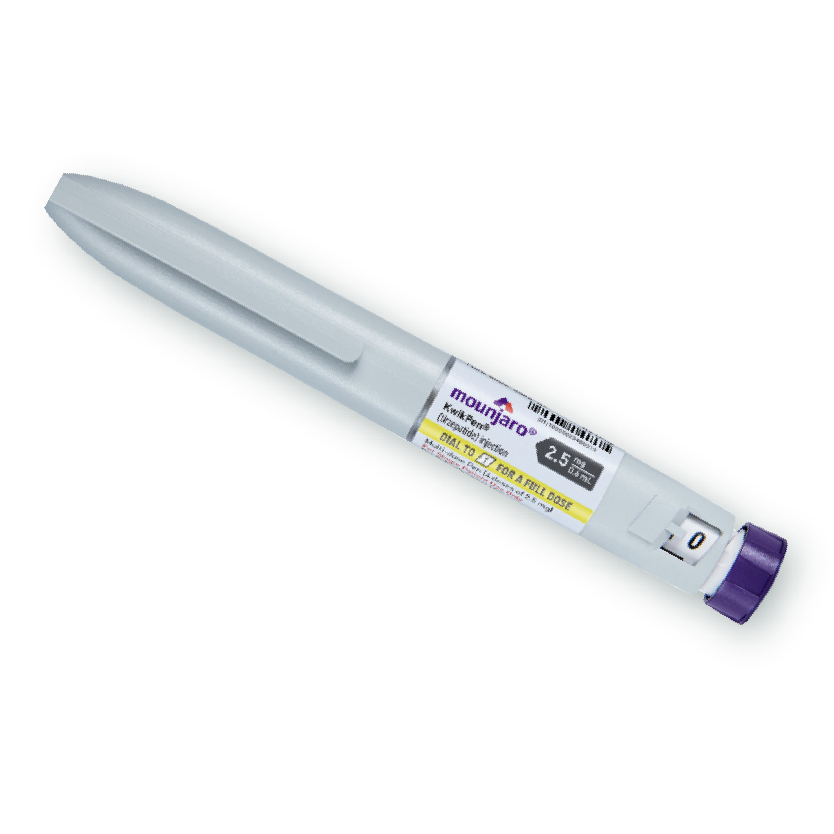
It is typically administered as a weekly injection using a pre-filled pen, making it relatively convenient for most users. Here at Phlo Clinic, our qualified prescribing clinicians can assess whether Mounjaro is suitable for you as part of a medically supported weight management plan. It represents a new generation of medication that targets the biological roots of hunger and satiety.
How Does Mounjaro Work for Weight Loss?
Mounjaro is unique because it is a "dual agonist." This means it mimics two different hormones naturally found in your body: glucagon-like peptide-1 (GLP-1) and glucose-dependent insulinotropic polypeptide (GIP). Most other injectables only target one.
By activating these two pathways simultaneously, Mounjaro creates a synergistic effect that helps you manage your weight in several ways:
- Activates GLP-1 and GIP receptors in the gut and brain to regulate hunger signals.
- Slows stomach emptying, which keeps you feeling full for much longer after eating.
- Reduces appetite and increases feelings of fullness, helping you naturally eat less.
- Improves blood glucose levels, reducing energy crashes and cravings that often lead to snacking.
Is Mounjaro Still the Most Effective Weight Loss Drug in 2026?
Mounjaro remains one of the most effective weight loss medications currently available, with clinical trials consistently showing greater average weight loss than many alternative treatments. The addition of the GIP receptor agonist gives it a distinct edge over single-hormone treatments. Clinical data consistently shows that patients on tirzepatide tend to lose more weight on average than those on other medications.
However, "most effective" is subjective. While Mounjaro might produce the highest number on the scale for many, effectiveness also involves tolerability. Some people may find the side effects of a dual agonist stronger than they prefer. That said, if your primary goal is maximizing weight reduction under medical supervision, Mounjaro is currently the statistical leader.
Key Clinical Evidence from Recent Studies
The numbers backing Mounjaro are substantial. In the landmark SURMOUNT-1 trial, participants achieved mean weight reductions of 15% to 20.9% at 72 weeks, a result that significantly outpaces older weight loss methods. This study highlighted just how powerful the dual-hormone approach can be when combined with lifestyle changes.
Real-world data supports this too. A recent UK study showed that engagement matters. Users who actively engaged with their treatment plan achieved −22.9% weight loss at month 12, compared to −17.5% for those who were less engaged (jmir.org). This suggests that while the drug is powerful, your commitment to the process plays a huge role in the final result.
Comparisons with Semaglutide (Wegovy and Ozempic)
When you compare Mounjaro (tirzepatide) directly against Wegovy or Ozempic (semaglutide), the difference lies in the mechanism. Semaglutide targets only the GLP-1 receptor. While still incredibly effective, it lacks the GIP component found in Mounjaro.
Recent data indicates that tirzepatide often leads to greater weight loss than semaglutide in head-to-head comparisons. For many patients, Mounjaro outperformed other GLP-1 medications, resulting in nearly 10kg (22lb) more weight loss than placebo groups in various trials. While Wegovy remains a gold-standard treatment, Mounjaro is often the next step for those who need more aggressive weight management support.
Top Alternatives to Mounjaro Currently Available
Not everyone is suited for Mounjaro, and that is okay. Availability, cost, and individual health history all play a role in choosing the right medication. Fortunately, the UK market offers robust alternatives that have helped thousands of people achieve their health goals.
Here are the primary options you might discuss with a clinician if Mounjaro isn't the right fit for you.
Wegovy
Wegovy remains the most direct alternative to Mounjaro. It contains semaglutide and is specifically licensed for weight loss. It works by mimicking the GLP-1 hormone to reduce appetite. For many people, Wegovy provides the perfect balance of efficacy and tolerability. It has a long track record of safety and success, and before Mounjaro arrived, it was the undisputed market leader. If Mounjaro is unavailable or not suitable for you, Wegovy is generally the second-best option for significant weight reduction.
Orlistat
For those who prefer to avoid injections entirely, Orlistat is a well-established oral medication. It works differently than the new hormonal drugs. Instead of suppressing appetite, Orlistat blocks the absorption of fat from the food you eat. Roughly a third of the fat you consume passes through your body undigested. While it typically produces more modest weight loss compared to injections and requires a strict low-fat diet to avoid side effects, it remains a valid option for specific medical needs.
Emerging Weight Loss Treatments on the Horizon
The science of weight loss is moving fast. While Mounjaro and Wegovy dominate the conversation in 2026, researchers are already testing the next generation of treatments. These upcoming options aim to offer either greater convenience or even more potent results.
Here is what is coming down the pipeline that might change how we treat obesity in the near future.
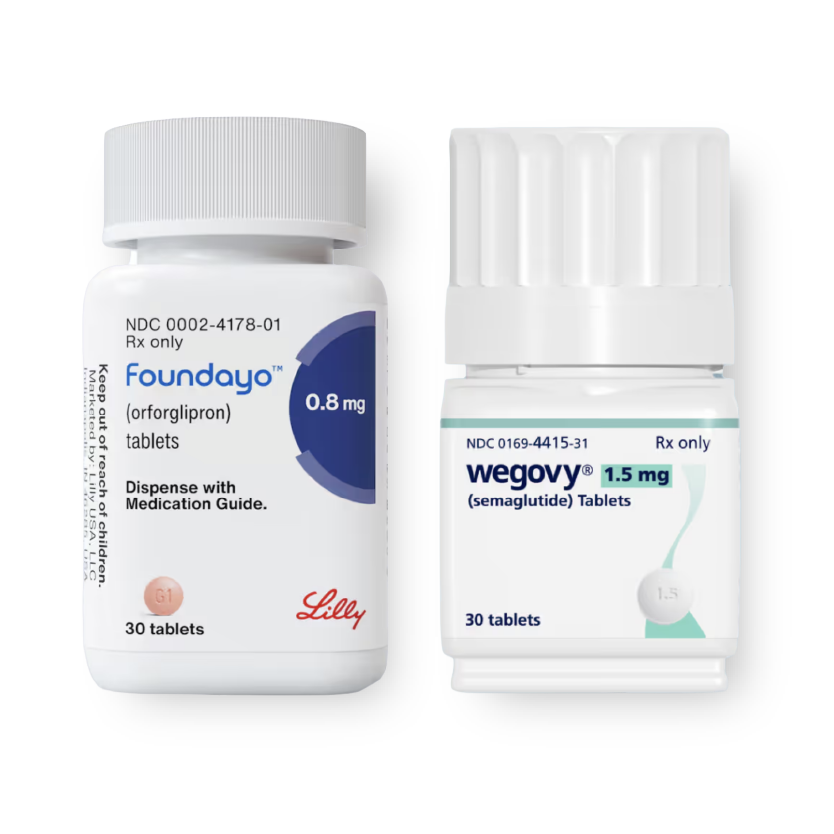
Wegovy tablets
While oral semaglutide (Rybelsus) has existed for diabetes, higher-dose oral versions specifically for weight loss are widely anticipated. These "Wegovy tablets" aim to provide the same potent results as the weekly injection but in a daily pill format. This could be a major shift for people with needle phobia who have previously avoided GLP-1 treatments. Early data suggests they could offer efficacy comparable to the injectable version, making high-impact weight loss more accessible.
Retatrutide
If Mounjaro is a "dual agonist," retatrutide is the "triple agonist." It targets three receptors: GLP-1, GIP, and glucagon. Early trials suggest this triple-threat approach could lead to even higher weight loss percentages than Mounjaro, potentially rivaling bariatric surgery results. It works by not only suppressing appetite but also increasing energy expenditure (burning more calories). While it is still in clinical trials, it represents the potential future peak of medical weight management.
Best Practices for Using Weight Loss Injections Safely
Medication is a tool, not a magic wand. To get the best results from treatments like Mounjaro or Wegovy, you need to use them correctly. Safety should always be your top priority.
Here are the core rules for a safe experience:
- Eat smaller meals to avoid overfilling your stomach.
- Avoid high-fat foods early on to reduce nausea.
- Stay hydrated throughout the day, as these meds can reduce thirst signals.
- Do not rush dose increases; let your body adjust to each level.
Combining Medication with Diet and Exercise
You cannot out-medicate a poor lifestyle. These drugs work by making it easier to stick to a calorie deficit, but they do not burn fat by magic. Our most successful patients tend to use the appetite suppression as an opportunity to build sustainable habits alongside treatment.
Focus on protein-rich foods to preserve muscle mass while you lose fat. Incorporate resistance training if possible. The goal is to build a routine that you can sustain long-term, even if you eventually stop the medication. The medication buys you time and control; how you use that time determines your long-term success.
Monitoring Progress and Adjusting Doses
More medication does not always mean more weight loss. The goal is to find the lowest effective dose — the amount that suppresses your appetite without causing unmanageable side effects.
You should monitor your weight weekly, but also pay attention to how you feel. If you are losing weight steadily on a lower dose (e.g., 5mg or 7.5mg of Mounjaro), there is often no need to rush to the maximum dose. Here at Phlo Clinic, our clinicians review your progress regularly to help ensure your treatment remains safe, effective and tailored to your goals.
Common Mistakes When Starting Weight Loss Drugs
Starting a powerful medication like Mounjaro can be exciting, but enthusiasm often leads to errors. One of the biggest mistakes is skipping meals entirely. Because you don't feel hungry, you might forget to eat, leading to fatigue, muscle loss, and eventual binges when the medication wears off.
Another common pitfall is ignoring side effects. If you experience severe nausea or constipation, pushing through without medical advice is dangerous. These are signs your body is struggling to adjust. Finally, many people expect overnight results. While these drugs are fast, weight loss is still a gradual process. Patience prevents the frustration that leads to quitting too early.
How Phlo Clinic Makes Treatment Accessible in the UK
Navigating the world of weight loss prescriptions can be daunting. At Phlo Clinic, we simplify this. As an on-demand digital pharmacy service, we specialise in medically supported weight loss, having already served over 90,000 patients nationally.
The process is designed for real life. You get online consultations with qualified UK clinicians who review your history and prescribe the right treatment — whether that is Mounjaro, Wegovy, or another option. With a subscription model, you are not just buying a pen; you get ongoing support and monthly check-ins to ensure you are on track. Phlo Clinic aims for sustainable results, targeting up to 20% weight loss through a combination of medication and medical guidance.
Mounjaro currently stands as a leading option for weight loss in 2026, offering powerful results for those struggling with obesity. However, it is not the only path forward. Alternatives like Wegovy remain highly effective, and new treatments and tablet versions are emerging.
The most important takeaway is that these medications require a long-term strategy. Research shows that without sustained lifestyle changes or maintenance treatment, weight regain is common. In one study, most participants (82.5%) regained 25% or more of their lost weight after stopping treatment. This highlights why services like Phlo Clinic emphasize ongoing support — because true success isn't just about losing the weight, it's about keeping it off for good.
Frequently Asked Questions
What are the most common side effects of Mounjaro?
Nausea, vomiting, diarrhoea, and constipation affect 20-30% of users initially, often improving after 4-8 weeks. Constipation impacts up to 25%; drink 2-3 litres of water daily and eat fibre-rich foods to manage it.
How much does Mounjaro cost in the UK through services like Phlo Clinic?
Mounjaro prices vary by dose (2.5mg-15mg). At Phlo Clinic, we include regular clinician consultations and FREE tracked delivery. We also give all our patients access to our Phlo Nourish programme, designed by our Obesity Specialist Dietitian, to help you build the lasting habits for sustainable weight loss. Our service is pay-as-you-go so you are not tied to a monthly subscription.
Can you drink alcohol while taking Mounjaro?
Yes, you can usually drink alcohol while taking Mounjaro, but it’s best to do so in moderation. Alcohol may worsen side effects such as nausea, dehydration and dizziness, and low blood sugar (especially if you also take diabetes medications such as insulin or sulfonylureas). It can also affect appetite, food choices, and blood glucose control.
Choosing lower-sugar drinks, staying hydrated, and avoiding alcohol on an empty stomach may help reduce these effects. If you notice alcohol makes your side effects worse, consider reducing how much you drink or avoiding it altogether.
How long does it take to see weight loss results on Mounjaro?
Most users lose 5-10% body weight in the first 3 months at starting doses. Steady loss of 1-2 lbs weekly continues with diet adherence; full effects peak at 6-12 months on maintenance doses.
Is Mounjaro safe for long-term use beyond 1 year?
Yes, trials show safety up to 2 years with monitoring, and we can assess ongoing prescribing for Mounjaro beyond 2 years based on individual circumstances.