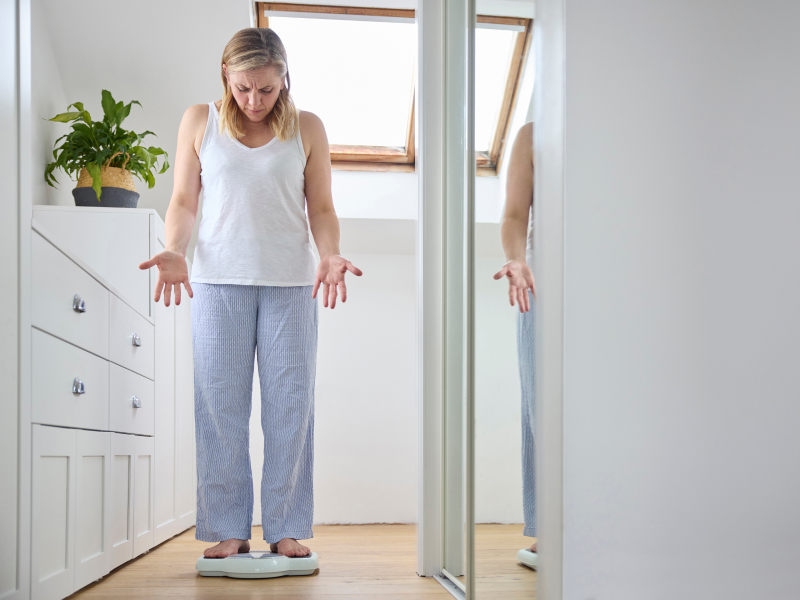


Many people taking Mounjaro (tirzepatide) or Wegovy (semaglutide) notice steady weight loss during the first months of treatment. Appetite often reduces, eating patterns change, and the scales begin to move in a positive direction. At some stage, however, progress may slow or appear to stall. This is commonly referred to as a weight loss plateau. While it can feel frustrating, a plateau is a normal part of the weight loss journey and does not mean your medication has stopped working.
What is a weight loss plateau?
A weight loss plateau occurs when your weight stops changing despite continuing with your medication, eating well, and staying active. It differs from the small, day-to-day fluctuations that everyone experiences, which can be influenced by hydration, recent meals, or hormonal changes.
A plateau reflects your body adjusting to the changes you’ve already made. This may involve shifts in how your body uses energy or subtle changes in appetite. Sometimes, in an effort to continue losing weight, people may eat less than their body actually needs. Over time, this can reduce energy, slow metabolism, and make the body hold on to weight more tightly, contributing to a plateau. Recognising this helps emphasise the importance of eating enough to support your metabolism and energy while still creating a modest calorie deficit. Understanding that plateaus are part of the natural process can help you stay patient, reduce frustration, and maintain motivation.
Common causes of weight loss plateaus on Mounjaro & Wegovy
Mounjaro and Wegovy support weight loss by reducing appetite, help to regulate blood glucose levels, and slow digestion so you feel fuller for longer. Even with these effects, weight loss can naturally slow as your body adapts.
Several factors contribute to this adjustment:
- Calorie needs decrease: As you lose weight, your body burns slightly fewer calories at rest and during activity.
- Water retention: Temporary fluid changes can mask fat loss on the scales.
- Lifestyle factors: Sleep, stress, and activity levels all influence weight.
These changes are normal and show that your body is recalibrating rather than that your medication has stopped working.
How your body adapts during weight loss
When you begin treatment, appetite reduction often leads to a relatively large calorie deficit, which drives early weight loss. Over time, the body naturally becomes more efficient, which can slow the rate of weight loss. Some people also notice variations in hunger signals, even while taking medication, which can subtly influence how much they eat.
Viewing a plateau as a natural pause rather than a setback helps maintain confidence and consistency in your approach.
How to overcome weight loss plateaus on Mounjaro & Wegovy
1. Make sure you review your medication safely with Phlo Clinic
If you reach a plateau, it’s important to discuss your progress with Phlo Clinic. We can:
- Check whether your current dose is still appropriate.
- Consider timing adjustments to support appetite control.
- Help manage side effects, such as nausea or constipation, that might affect eating.
Do not adjust your dose on your own. Professional guidance from Phlo Clinic ensures any changes are safe and tailored to you.
2. Make small nutritional adjustments to restart progress
Even small dietary adjustments can be effective during a plateau. As your weight decreases, your body may need slightly fewer calories, so reviewing portion sizes and meal composition can make a meaningful difference.
It’s important to avoid undereating. Cutting calories too drastically can slow your metabolism, reduce energy, and make further weight loss harder to achieve. Instead, small, sustainable adjustments to portion sizes and meal composition (while ensuring you get enough protein, fibre, and essential nutrients) support steady progress and overall health.
Ensuring adequate protein at each meal is important to protect muscle mass, which helps support metabolism. High-fibre foods, including vegetables, whole grains, fruit, and legumes, can help you feel full for longer and support digestion, particularly as constipation is a common side effect of GLP-1 medications.
Balanced meals that include protein, fibre, and healthy fats provide steady energy and reduce the likelihood of snacking later in the day. Finding a meal pattern that works for you, whether that’s three main meals or smaller, more frequent meals, can support appetite control alongside your medication.
.png)
Hydration also plays a significant role. Drinking adequate fluids can prevent constipation, which is a common side effect of GLP-1 medications, and ensures your body functions efficiently during weight loss.
3. Consider adapting lifestyle factors that could influence a plateau
Daily habits beyond food and medication can affect weight loss:
- Sleep: Good-quality sleep supports appetite-regulating hormones. Irregular or insufficient sleep can increase cravings and make portion control harder.
- Stress: High stress elevates cortisol, which can influence appetite and fat storage. Mindfulness, breathing exercises, or short breaks can help restore balance.
- Tracking progress beyond the scales: Body measurements, clothing fit, and energy levels can reflect improvements even when weight remains stable.
These lifestyle factors are often overlooked but can make a meaningful difference when combined with medication and nutrition.
4. Review your exercise routine
Exercise helps maintain muscle, increase energy expenditure, and support ongoing weight loss. A combination of strength-focused activities and moderate cardiovascular exercise is usually most effective.
Strength training helps preserve or build muscle, which burns more calories at rest than fat. Moderate cardio like walking, cycling, or swimming supports overall energy use. Even small changes, such as taking more steps each day or using stairs, can contribute to progress over time.
Recovery is equally important. Adequate rest between workouts prevents overtraining, reduces stress, and supports long-term adaptation.
4. Don't forget weight loss plateaus are normal!
Weight loss plateaus are a normal, expected part of using Mounjaro or Wegovy. They reflect the body adjusting to change rather than any failure on your part. With guidance from Phlo Clinic, along with thoughtful adjustments to nutrition, sleep, stress management, and physical activity, progress can resume steadily and safely.
Non-scale victories are important markers of success. Increased energy, improved fitness, better strength, and how your clothes fit are all signs of meaningful change. With patience, consistency, and support from Phlo Clinic, you can continue working toward your long-term weight loss goals confidently.
If you reach a plateau, it’s important to discuss your progress with Phlo Clinic. We can:
- Check whether your current dose is still appropriate.
- Consider timing adjustments to support appetite control.
- Help manage side effects, such as nausea or constipation, that might affect eating.
Do not adjust your dose on your own. Professional guidance from Phlo Clinic ensures any changes are safe and tailored to you.
References
- Nauck, M. A., Quast, D. R., Wefers, J., & Meier, J. J. (2021). GLP-1 receptor agonists in the treatment of type 2 diabetes - state-of-the-art. Molecular metabolism, 46, 101102. https://doi.org/10.1016/j.molmet.2020.101102
- Frías, J. P., Davies, M. J., Rosenstock, J., Pérez Manghi, F. C., Fernández Landó, L., Bergman, B. K., Liu, B., Cui, X., Brown, K., & SURPASS-2 Investigators (2021). Tirzepatide versus Semaglutide Once Weekly in Patients with Type 2 Diabetes. The New England journal of medicine, 385(6), 503–515. https://doi.org/10.1056/NEJMoa2107519
- Jastreboff, A. M., Aronne, L. J., Ahmad, N. N., Wharton, S., Connery, L., Alves, B., Kiyosue, A., Zhang, S., Liu, B., Bunck, M. C., Stefanski, A., & SURMOUNT-1 Investigators (2022). Tirzepatide Once Weekly for the Treatment of Obesity. The New England journal of medicine, 387(3), 205–216. https://doi.org/10.1056/NEJMoa2206038