


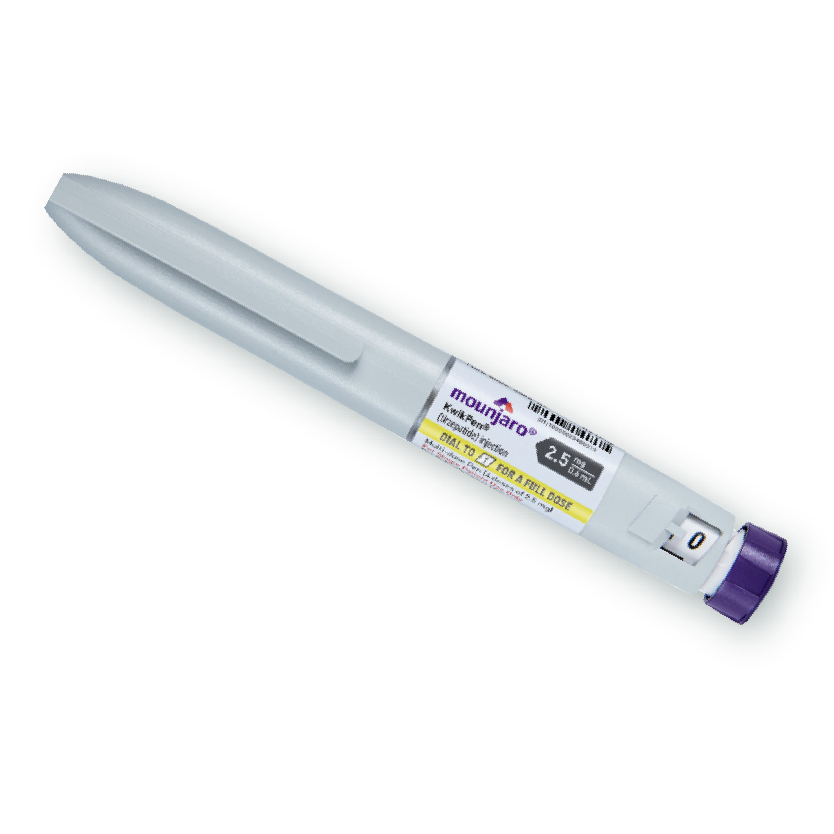
Mounjaro is a medication that contains the active ingredient tirzepatide, used for both Type 2 diabetes and weight loss [1][2]. It works by mimicking two naturally occurring hormones (GIP and GLP-1) involved in blood sugar regulation and appetite control. These hormones help regulate insulin release, slow stomach emptying, and increase feelings of fullness, which can support weight loss and improve glucose control [3].
Like all medications, Mounjaro can cause side effects. According to guidelines the most commonly reported side effects are gastric related such as nausea, diarrhoea, reduced appetite, constipation, and stomach discomfort, particularly when starting treatment or increasing the dose [1][2].
Some people also have questions about how Mounjaro may affect their mood. You can find out more in our guide: Can Mounjaro cause anxiety and depression?
Are headaches a side effect of Mounjaro?
Headaches are also reported by some people taking Mounjaro, although they are generally considered less common than digestive symptoms [4]. When headaches do occur, they are usually mild and temporary while the body adjusts to the medication.
It is also important to differentiate Mounjaro-related headaches from other types of headaches. For example, headaches may result from dehydration, changes in eating patterns, caffeine withdrawal, or fluctuations in blood glucose levels rather than the medication itself. Understanding the possible causes can help people manage symptoms more effectively while continuing treatment.
What are the common headache symptoms reported?
People taking Mounjaro who experience headaches often report symptoms similar to tension-type headaches. These may include a dull ache or pressure around the forehead or temples, tightness around the head, or mild discomfort in the neck and scalp.
Unlike migraines, these headaches are usually mild to moderate rather than severe and are less likely to be accompanied by symptoms such as visual disturbances or nausea.
In terms of frequency, headaches are most commonly reported during the early stages of treatment. Mounjaro is usually started at a lower dose that is gradually increased over several weeks to allow the body to adapt. During this adjustment period, some individuals may notice occasional headaches [4].
The duration of headaches linked to Mounjaro is typically short. Many people find symptoms improve within a few hours and respond to simple measures such as drinking fluids, resting, or eating a small balanced meal.
Some people also report patterns in headache timing. For example, headaches may occur within the first 24 to 48 hours after a weekly injection or during periods when appetite suppression leads to reduced food or fluid intake. Recognising these patterns can help identify possible triggers.
What causes headaches on Mounjaro?
The underlying mechanisms by which Mounjaro may trigger headaches are not fully understood, but several theories exist and in many cases the cause is related to physiological changes associated with weight loss or blood sugar regulation.
One potential cause is fluctuations in blood sugar levels. Because Mounjaro improves glucose regulation and insulin sensitivity, some people may experience temporary changes in blood sugar levels as their body adjusts to the medication. Blood sugar fluctuations can sometimes trigger headaches [5].
Dehydration is another possible factor. Reduced appetite may lead some people to eat and drink less than usual. Even mild dehydration can cause headaches, fatigue, and dizziness. Maintaining adequate hydration is therefore important during treatment. It is worth noting that dehydration can also affect the urinary tract — if you notice any changes in urination or bladder comfort, our guide on Mounjaro and bladder health covers what to be aware of.
Electrolyte imbalance may also contribute. Electrolytes such as sodium, potassium, and magnesium help regulate nerve signalling and muscle function. Changes in diet or fluid intake may affect electrolyte balance and increase the likelihood of headaches.
Lifestyle factors can also play a role. Stress, fatigue, and sleep disruption are recognised headache triggers. During the early weeks of treatment, appetite changes or digestive side effects may temporarily disrupt daily routines, which may contribute to headaches.
How do you manage Mounjaro headaches?
For most people, headaches associated with Mounjaro can be managed with simple lifestyle strategies.
Maintaining good hydration is one of the most effective steps. The nutritional guidelines for GLP-1 medications such as Mounjaro is to drink 2-3L of fluid per day for adequate hydration and to minimise side effects. [6]
Maintaining electrolyte balance may also help reduce headache frequency. Eating balanced meals that include nutrients such as potassium, sodium, and magnesium can help support normal nerve and muscle function.
Some individuals may consider electrolyte supplements or magnesium if headaches occur frequently. However, supplements should be used cautiously and ideally discussed with a healthcare professional before starting them.
Monitoring blood sugar levels may also help identify patterns associated with headaches. For people managing diabetes or tracking glucose levels, recording when headaches occur in relation to meals or injections can provide helpful insights.
Ensuring regular meals, even if they are smaller portions, can help stabilise blood sugar levels and reduce the likelihood of headaches.
When is the best time to inject Mounjaro to avoid headaches?
Mounjaro is taken once weekly via injection. While the timing of injections does not change how the medication works, choosing a consistent time that fits a person's routine may help manage side effects.
Some people prefer injecting the medication in the evening so that any mild side effects occur overnight. Others may choose mornings so they can monitor how they feel during the day.
If headaches occur regularly after injections, it may be helpful to discuss this with your healthcare professional. In some cases, adjusting the dose escalation schedule or staying on a lower dose for longer may reduce side effects [1].
Any adjustments to dosage should always be made under medical supervision.
How to avoid headaches on Mounjaro?
Preventing headaches while taking Mounjaro often involves maintaining healthy daily habits.
Getting enough sleep is important because fatigue and sleep disruption are common headache triggers. Maintaining a regular sleep schedule can support overall wellbeing during treatment.
Stress management techniques may also help. Activities such as walking, gentle exercise, relaxation techniques, or mindfulness practices can help reduce stress levels and improve general health.
It may also be helpful to avoid common headache triggers such as dehydration, excessive caffeine intake, irregular meals, or poor sleep quality.
Keeping a symptom diary may help identify personal triggers and allow individuals to make lifestyle adjustments accordingly.
Can you take pain relief medication to help headaches on Mounjaro?
Occasional headaches can often be managed using over-the-counter pain relief.
Common options include paracetamol and ibuprofen, which are widely used for mild to moderate headaches. These medicines should always be taken according to the instructions on the packaging or advice from a pharmacist or healthcare professional.
Non-medication strategies may also help relieve symptoms. Applying a cold compress or warm compress to the forehead or neck may reduce discomfort. Resting in a quiet environment and drinking fluids can also help alleviate symptoms.
If headaches occur frequently or require repeated pain relief medication, it is advisable to consult a healthcare professional.
What should you do if headaches don't get better on Mounjaro?
Most headaches associated with Mounjaro are temporary and improve as the body adjusts to the medication. However, persistent or severe headaches should be discussed with your healthcare professional.
A clinician may assess factors such as hydration levels, diet, sleep patterns, and blood sugar control to determine the underlying cause.
In some cases, adjusting the medication dose or slowing the dose escalation schedule may help reduce side effects. If headaches remain problematic, healthcare providers may consider whether an alternative treatment option is more suitable.
Anyone experiencing severe headaches, visual disturbances, confusion, or other unusual symptoms should seek medical advice promptly.
If you have any further questions, concerns, or queries about Mounjaro or headaches during treatment, please feel free to contact us and a member of our team will be happy to help and provide guidance.
References
- National Institute for Health and Care Excellence. Tirzepatide for treating type 2 diabetes. NICE Guidance.
- National Health Service. Type 2 diabetes treatments and medicines.
- European Medicines Agency. Tirzepatide (Mounjaro) Summary of Product Characteristics.
- Medicines and Healthcare products Regulatory Agency. Mounjaro patient information leaflet.
- Cryer PE. Hypoglycaemia and glucose regulation. The Lancet.
- https://pubmed.ncbi.nlm.nih.gov/38853526/

