

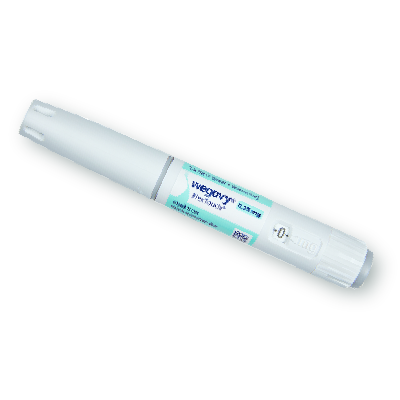
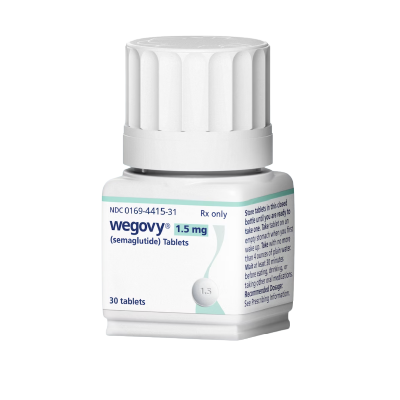
Can You Switch from Wegovy Injections to the Wegovy tablet?
If you’re currently using Wegovy injections and you’ve heard that a tablet version is on the way, the question is a natural one: will you be able to switch, and is it worth it?
The short answer is yes, switching will be possible. The Wegovy tablet was approved by the MHRA on 11 June 2026, making the UK the first country in Europe to approve it. But “possible” and “right for you” are two different things. The clinical data, the practicalities of daily tablet use, and your own treatment history all factor into whether swapping routes of administration makes sense.
The key fact: the Wegovy tablets contains the same active ingredient as the injection, semaglutide, so this isn’t a new drug. It’s a new delivery method for a treatment many UK patients are already familiar with.
This guide covers what we know about the tablet’s effectiveness, how switching would likely work in practice, who might benefit most from making the change, and what to discuss with your prescribing pharmacist before deciding.
What is the Wegovy tablet and where is it with UK approval?
The Wegovy tablet is an oral tablet form of semaglutide, taken once daily licensed specifically for obesity and weight loss.
It was approved in the USA by the US Food and Drug Administration (FDA) on 22 December 2025, making it the first oral GLP-1 receptor agonist specifically licensed for weight management in the world.
In the UK, the MHRA approved the Wegovy tablet on 11 June 2026 making the UK the first country in Europe to approve a daily GLP-1 weight loss pill. Novo Nordisk expects it to become available via private prescription within weeks.
Worth knowing: Rybelsus, an oral semaglutide tablet, already exists in the UK, but it’s licensed only for type 2 diabetes, not weight loss. The Wegovy tablet would be the first oral semaglutide treatment licensed specifically for obesity and weight management in the UK.
Wegovy injections
Before discussing the tablet further, it's worth noting that the Wegovy injection landscape has also changed in 2026. The MHRA approved a new higher injection dose (7.2 mg weekly) on 12 January 2026, making it immediately available.
Previously, the maximum licensed dose was 2.4 mg weekly. The 7.2 mg dose is intended for patients who have already reached and tolerated the 2.4 mg dose and for whom continued weight loss is clinically indicated. In the Phase 3b STEP UP trial, patients on the 7.2 mg dose lost an average of 20.7% of their body weight over 72 weeks, compared to 17.5% with the 2.4 mg dose.
This is relevant context: for patients whose progress has plateaued at 2.4 mg, escalating to 7.2 mg rather than switching to the tablet, may be a more clinically straightforward next step. Your prescribing pharmacist can advise on whether you qualify.
Does the Wegovy tablet work as well as the injection?
This is the question most patients ask first, and the answer is broadly reassuring.
The tablet’s approval was based on the OASIS 4 phase 3 clinical trial, which studied 307 adults with obesity or overweight and at least one weight-related condition. The key results were:
For context, the injectable Wegovy 2.4 mg weekly produced mean weight loss of approximately 14.9% in the STEP 1 trial, and the new 7.2 mg injection dose produced approximately 20.7% in the STEP UP trial.
Although the tablet's results are broadly comparable to the standard 2.4 mg injection, it is important to note that these comparisons relate to the 2.4 mg Wegovy injection only. The Wegovy tablet has not been compared with the higher-dose 7.2 mg injection (Wegovy HD®), which has been shown to produce greater average weight loss.
What this means in practice: Patients switching from the injection are not trading down on efficacy. That said, the OASIS 4 trial was smaller than the STEP 1 injectable trial, and head-to-head data in the same population doesn’t yet exist.
Injection vs tablet at a glance
Individual results vary. Always consult a prescribing pharmacist before making any changes to your treatment.
What about side effects?
The side effect profile of the Wegovy tablets is consistent with the GLP-1 medication class and broadly mirrors what injection users experience, particularly during dose escalation. In the OASIS 4 trial, the most commonly reported adverse effects were:
- Nausea (46.6% of tablet users vs 18.6% on placebo)
- Vomiting (30.9% vs 5.9%)
- Diarrhoea and constipation were also reported
These figures may look high, but they reflect the same pattern seen with injectable semaglutide, particularly during dose escalation. The rate of patients stopping treatment due to adverse events was 6.9%, which is in line with the injectable formulation. Our guide to common Wegovy side effects covers strategies for managing nausea and digestive discomfort that apply to both forms.
How would switching from injections to the Wegovy tablet actually work?
The eligibility criteria for the tablet are expected to mirror those for the injection: adults with a BMI of 30 or above, or 27 or above with at least one weight-related health condition. If you are currently on the injections, your existing clinical history would be reviewed, but you might not need to start from the lowest dose of the tablets.
The tablet may be worth discussing if:
1. You are starting treatment for the first time. For new patients, once the tablet becomes available, it would offer a needle-free entry point with comparable efficacy to the standard injection dose.
2. Needle anxiety or phobia is affecting your treatment. This is the most commonly cited reason patients express interest in the tablet. If self-injecting has been distressing, or if it has led to missed doses, a daily tablet removes that barrier.
3. Storage and travel are genuinely difficult for you. The Wegovy injection requires refrigeration. Tablets are stored at room temperature, which may suit people with irregular schedules or frequent travel.
4. You have persistent injection site reactions. Some patients experience bruising, redness, or discomfort at injection sites. The tablet eliminates this.
The injection may be better for you if:
1.Your current treatment is working. If you are seeing good results on the injection and tolerating it well, changing formulation introduces risk without any guaranteed improvement in outcome. Staying on an effective treatment is always the stronger clinical choice.
2. The 7.2 mg Wegovy injection dose may be your next step. If your weight loss has slowed on Wegovy 2.4 mg, the newly approved 7.2 mg dose (now available in the UK) is likely to be clinically more appropriate than switching to the tablet, and avoids reformulation entirely.
3. Your morning routine doesn't easily accommodate fasting. The tablet's 30-minute fasting window and strict water requirements need to be taken seriously. If you take other morning medications, have an early start, eat breakfast quickly, or have a variable schedule, this daily routine may be more disruptive than you expect.
4. You have a history of significant gastrointestinal side effects. Nausea rates reported in OASIS 4 trial were higher than typically seen in injection trials. If you have previously struggled with GI side effects on semaglutide, the tablet may be more challenging to tolerate.
5. You prefer once-weekly dosing. A weekly injection is a low-burden routine for many patients. A daily tablet with strict timing requirements adds a new layer of daily management that not everyone will find easier.
What this means in practice for UK patients on Wegovy injections
The Wegovy tablet is coming, and for current injection users, it represents a genuine choice rather than a replacement. The clinical evidence shows comparable weight loss outcomes to the injection, the active ingredient is identical, and the regulatory pathway is well underway.
What it isn’t is a straightforward swap. The daily dosing routine, the fasting requirements, and the re-titration period mean that switching needs thought and clinical input, not just a preference for tablets over needles.
If you’re currently on Wegovy injections and your treatment is working well, there’s no clinical reason to switch. But if needle anxiety, storage inconvenience, or a preference for oral medication has been a friction point in your treatment, the tablet could be a meaningful improvement to your experience.
The best next step is to keep your prescribing pharmacist informed of your interest. When UK approval comes through, they’ll be able to review your treatment history and help you decide whether switching is the right move for you.
If you’re a Phlo Clinic patient, our prescribing pharmacists are available for ongoing consultations as part of your weight loss treatment. Explore our Wegovy service or get in touch with our team to discuss your options.
Frequently asked questions
Is the Wegovy tablet available in the UK now?
No. As of early 2026, the Wegovy tablet has not been approved by the MHRA for use in the UK. It was approved in the US in December 2025. UK approval is pending and expected in mid-to-late 2026 at the earliest. Until then, it cannot be legally prescribed or dispensed through regulated UK services.
Is the Wegovy tablet the same as Rybelsus?
Both contain semaglutide, but they’re different products. Rybelsus is licensed for type 2 diabetes management in the UK, not for weight loss. The Wegovy tablets are specifically developed and licensed for obesity and weight management. The doses are also different: Rybelsus goes up to 14 mg, while the Wegovy tablet reaches 25 mg.
Will the Wegovy tablet be available on the NHS?
NHS access would require not only MHRA approval but also a positive cost-effectiveness review from NICE and a commissioning decision. This process typically takes longer than private availability. Most patients who access the Wegovy tablet initially in the UK are likely to do so through private prescribing services.
Can I take the Wegovy tablet at the same time as the injection?
No. Both products contain semaglutide and should never be used together. Taking them simultaneously would mean doubling up on the same active ingredient, which carries significant safety risks. If you’re switching, your prescribing pharmacist will advise on the correct transition approach.
What if the tablet isn’t right for me after switching?
Returning to the injection would be possible, subject to a clinical review. Your prescribing pharmacist would assess your situation and advise on the safest approach, including whether a washout period is needed before restarting the injection. Our guide on the GLP-1 washout period explains what this involves.
References
- Wharton S, Lingvay I, Bogdanski P, et al. Oral semaglutide at a dose of 25 mg in adults with overweight or obesity (OASIS 4). N Engl J Med. 2025;393(11):1077-1087. doi:10.1056/NEJMoa2500969
- Wilding JPH, Batterham RL, Calanna S, et al. Once-weekly semaglutide in adults with overweight or obesity (STEP 1). N Engl J Med. 2021;384(11):989-1002. doi:10.1056/NEJMoa2032183
- Novo Nordisk. FDA approves Wegovy pill, the first and only oral GLP-1 for weight loss in adults. Press release, 22 December 2025. prnewswire.com
- Novo Nordisk. Four new analyses on oral semaglutide 25 mg presented at ObesityWeek 2025, including indirect comparison with injectable semaglutide. Press release, 5 November 2025. prnewswire.com
- Medicines and Healthcare products Regulatory Agency (MHRA). gov.uk/mhra
