

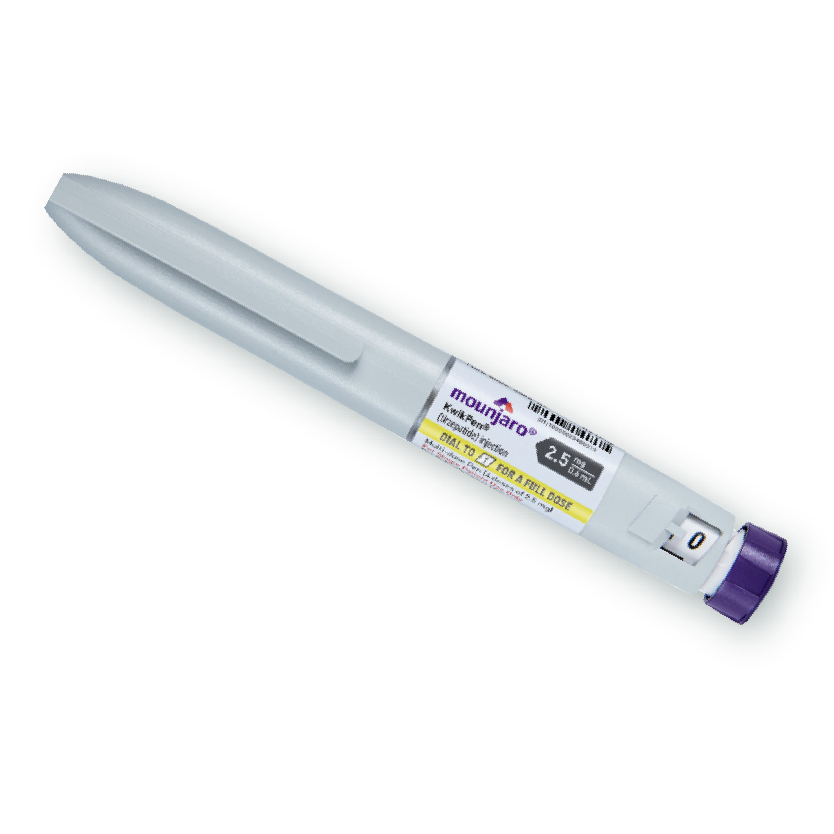
Managing hunger can be challenging when trying to lose weight or maintain a healthy lifestyle. Mounjaro (tirzepatide) is a once-weekly injectable medication that can help reduce appetite and support weight management. Understanding how it works and why hunger may fluctuate during the week can help you stay on track with your goals, and help you to plan your meals, snacks, and activities more effectively.
Why hunger may change with Mounjaro
Mounjaro is designed to help regulate appetite by acting on hormones that signal fullness to the brain. Some people notice that their hunger increases slightly towards the end of the week before their next dose, which is completely normal.
After you inject Mounjaro, the medication gradually enters your bloodstream and reaches its peak level about one to two days after injection, when its appetite-suppressing effect is strongest. Over the week, the amount of medicine in your body slowly declines (the half-life is about five days, meaning it takes roughly five days for half the medication to leave the body). This gradual decrease can make you feel hungrier towards the end of the week (Jastreboff et al., 2022).
Even when hunger rises slightly, the medication is still working to help reduce appetite overall. Understanding this pattern allows you to plan meals and snacks strategically, rather than viewing temporary hunger increases as a setback.
How does Mounjaro work to reduce appetite?
Mounjaro works with two natural hormones, GLP-1 and GIP, which help your brain recognise fullness and satisfaction. GLP-1 slows stomach emptying and increases the feeling of fullness, while GIP may enhance insulin sensitivity and contribute to better appetite regulation. Together, these mechanisms reduce the desire to eat and help you feel satisfied with smaller portions.
It can affect appetite in several ways:
- Increases fullness: Sends signals to the brain to reduce the desire to eat
- Slows digestion: Food remains in the stomach longer, helping you feel satisfied
- Reduces cravings: Lowers urges to snack when not hungry
These combined effects make it easier to eat smaller portions and support weight loss. Understanding these physiological effects can also help reduce frustration if hunger fluctuates during the week.
Factors that influence appetite while taking Mounjaro
Appetite can vary even with medication. Factors include:
- Time since injection: Appetite is usually lowest one to two days after injection and may rise slightly towards the end of the week
- Individual body responses: Everyone's metabolism and hormone patterns differ
- Lifestyle influences: Sleep, stress, activity levels, and diet all affect how hungry you feel
Recognising these factors helps explain why temporary increases in hunger are normal and allows planning for meals and snacks. Keeping track of when hunger rises can help you adjust meal timing or snack choices to stay on track with your goals.
Practical ways to manage hunger
While Mounjaro supports appetite control, pairing it with healthy habits can make it more effective. Small changes in meal composition, timing, hydration, and activity can make a noticeable difference.
1. Eat balanced meals
Including protein, and choosing balanced meals with whole grains, vegetables and other high-fibre foods, can help you feel full for longer and make hunger easier to manage. Examples:
- Breakfast: Greek yoghurt, fruit, and chia seeds
- Lunch: Chickpea and salad wrap
- Dinner: Grilled salmon or tofu with roasted vegetables and brown rice
This approach supports steady energy levels throughout the day and can make it easier to avoid unnecessary snacking.
2. Keep regular mealtimes
Eating at similar times each day helps your body regulate hunger and maintain energy levels. Our internal clocks (circadian rhythms) influence hormones like ghrelin (hunger) and leptin (fullness), and consistent meal timing can make it easier to recognise true hunger and avoid unnecessary snacking.
Regular meals can also support stable blood glucose levels, reducing cravings for high-calorie foods. Listening to your body and eating according to natural hunger cues rather than emotions or habit can improve long-term appetite control.
3. Stay hydrated, sleep well, and manage stress
Drinking enough water, sleeping adequately, and managing stress are key for regulating appetite. Dehydration can be mistaken for hunger, while sleep deprivation can increase ghrelin and reduce leptin, intensifying appetite. Stress triggers cortisol, which may increase cravings for calorie-dense foods. Mindfulness, relaxation techniques, and prioritising rest can help support consistent appetite control.
4. Prepare healthy snacks
Having nutritious snacks ready can prevent overeating during times of increased hunger. Examples include:
- Fresh fruit
- Nuts
- Yoghurt
- Raw vegetables with houmous
Planning snacks in advance allows you to choose healthier options when hunger strikes and prevents impulsive eating that can derail your goals.
5. Stay active
Regular movement supports appetite regulation, mood, and overall wellbeing. Gentle activity such as walking, stretching, or light exercise can help manage hunger and maintain energy levels. Physical activity also helps regulate insulin and glucose metabolism, which may indirectly support appetite control.
Understanding normal appetite patterns
Feeling hungrier at certain times does not mean the medication is failing. Small fluctuations, especially towards the end of the week, are normal. Studies show Mounjaro continues to reduce appetite and support weight management over months of treatment, even with daily variations in hunger (Jastreboff et al., 2022).
Being aware of this pattern allows you to plan meals, snacks, and activity strategically, helping maintain confidence and consistency in your weight management plan. Tracking your hunger patterns can also help you anticipate challenging periods and make proactive choices.
Key points to remember
- Hunger may increase towards the end of the week due to normal changes in medication levels
- Mounjaro helps reduce overall appetite and supports weight management over time
- Appetite is influenced by meals, sleep, stress, and physical activity
- Eating balanced meals, keeping regular mealtimes, drinking water, having healthy snacks, and staying active can help manage hunger
If you are considering stopping Mounjaro, appetite changes are one of the key things to plan for. Read our guide on what happens when you stop taking Mounjaro, including what to expect with hunger and weight when the medication leaves your system.
Reminder: This content is for educational purposes only. It is not personalised medical advice. Always speak to your doctor or dietitian before making changes to medication, diet, or lifestyle.
References
Jastreboff, A. M., Aronne, L. J., Ahmad, N. N., Wharton, S., Connery, L., Alves, B., Kiyosue, A., Zhang, S., Liu, B., Bunck, M. C., Stefanski, A., & SURMOUNT-1 Investigators (2022). Tirzepatide Once Weekly for the Treatment of Obesity. The New England journal of medicine, 387(3), 205–216. https://doi.org/10.1056/NEJMoa2206038