
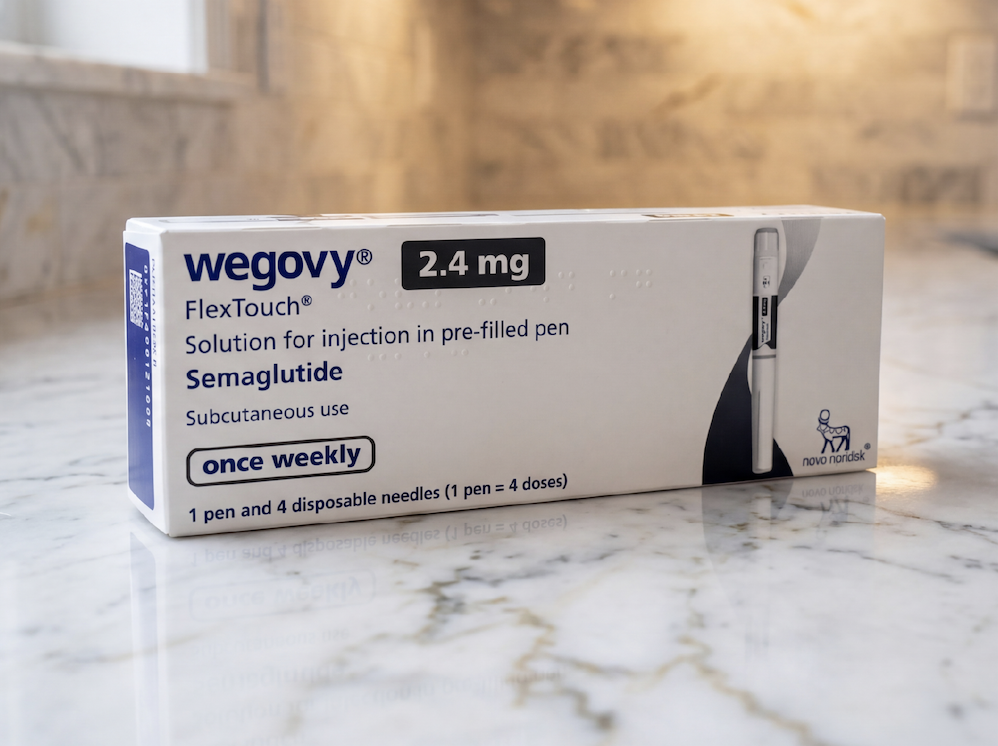
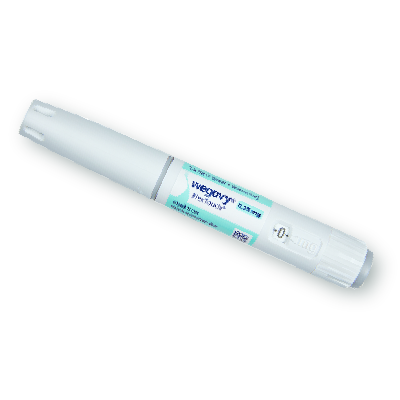
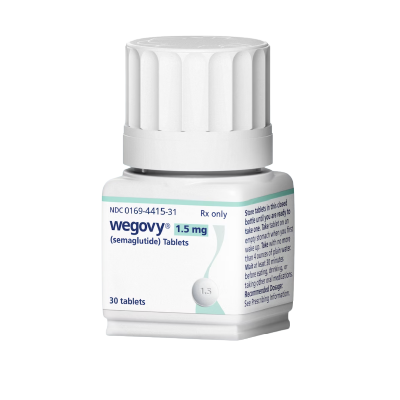
"Microdosing" has become a buzzword across GLP-1 social media, with some users sharing tips for taking less-than-prescribed amounts of Wegovy in an attempt to manage side effects or make a prescription last longer. Despite its popularity online, microdosing isn’t a clinically recommended approach and it comes with real risks. Here’s what it actually involves, why it differs from your prescribed titration schedule, and why sticking to the approved dosing plan remains the safest and most effective route.
What Is Microdosing, and Why Isn’t It Clinically Recommended?
Microdosing, as it’s being applied to Wegovy (semaglutide), refers to users taking amounts below the lowest approved dose — often by attempting to withdraw a partial dose from the pen — in an effort to self-regulate side effects or stretch out their supply.
This is different from the clinically approved titration schedule, which is a structured, gradual dose increase managed by your prescriber. The "microdosing movement" has largely emerged on social media and online forums, where people share personal dosing schedules and tips entirely outside medical guidance.
It’s worth being clear from the outset: Wegovy contains semaglutide, a GLP-1 receptor agonist, delivered via a fixed-dose injection pen (or as a once-daily tablet). It isn’t designed for dose splitting or microdosing, and the pen format in particular makes attempting to do so both impractical and difficult to do accurately.
How Microdosing Differs From the Recommended Dosage Schedule
Wegovy’s standard injection titration schedule starts at 0.25 mg weekly, then progresses through 0.5 mg, 1 mg, and 1.7 mg, reaching a standard maintenance dose of 2.4 mg (with a higher 7.2 mg maintenance option available for some patients after review with their prescriber). The Wegovy tablet follows its own titration ladder, starting at 3 mg daily and progressing through 7 mg and 14 mg up to a 25 mg maintenance dose.
Those low starting doses are already designed to minimise side effects during the early treatment phase — they aren’t a "full" dose being reduced. The titration schedule exists specifically to let your body build tolerability progressively, reducing gastrointestinal side effects like nausea as the dose increases.
Microdosing deviates from this structured progression by using amounts below the lowest approved dose. This is an important distinction: a clinically guided dose adjustment made by your prescriber, based on your response, is not the same as an unsupervised microdosing approach. Underdosing through microdosing is not equivalent to a medically supervised dose reduction or pause.
How the Wegovy Pen Design Prevents Microdosing
The Wegovy pen delivers a fixed, pre-measured dose and simply isn’t designed to be divided or partially administered. Attempting to split a dose carries real risks:
- Inaccurate dosing, since the pen isn’t calibrated for partial delivery
- Contamination risk from manipulating the device outside its intended use
- Device misuse, which can compromise both the sterility and integrity of the treatment
There is no approved microdose format or method for semaglutide injections. Some people turn to compounded semaglutide to attempt microdosing, but this introduces further safety concerns as compounded products aren’t subject to the same regulatory oversight, and concentration accuracy can’t be guaranteed in the way it can with an approved pen.
Clinical Risks of Microdosing Wegovy
Microdosing Wegovy isn’t supported by clinical evidence and sits outside the prescribing guidelines set by regulatory bodies. The core concern is subtherapeutic dosing: doses below the approved range may be insufficient to meaningfully activate GLP-1 receptors, undermining the treatment’s effectiveness.
This can show up in a few ways:
- Weight loss and metabolic progress stalling or reversing
- Inconsistent appetite suppression when doses are too low or irregular
- A false sense of "managing" side effects, while actually undermining the treatment’s therapeutic value
For patients using semaglutide for cardiovascular risk reduction or alongside diabetes management, consistent dosing is critical and microdosing introduces real risk here too.
The Misconception That Microdosing Prevents GI Side Effects
A lot of the motivation behind microdosing comes from wanting to avoid Wegovy’s common gastrointestinal side effects such as nausea, vomiting, diarrhoea, and constipation. But the approved titration schedule is already specifically designed to manage these side effects, which makes microdosing an unnecessary and unsupported workaround.
Clinical evidence shows GI side effects typically diminish as the body adjusts during the standard titration period. Microdosing may actually prolong this adjustment period rather than eliminate discomfort, since your body never properly moves through the tolerability-building process the titration schedule is designed for.
There’s an important difference between medically supervised tolerability strategies and self-directed microdosing as a side-effect management tool. If you’re experiencing severe GI side effects, the right move is to speak to your prescriber about legitimate dose adjustments, not to self-administer micro doses.
How Microdosing Impacts Wegovy’s Weight Loss Efficacy
Clinical data shows Wegovy’s weight loss benefits are dose-dependent, with higher approved doses producing greater outcomes. Microdoses fall below the threshold needed to produce clinically significant appetite suppression and weight loss.
Evidence from the STEP trials shows that efficacy is tied to adherence to the approved dosing protocol, not to reduced or split doses. Patients who microdose are unlikely to see the weight loss results seen in these trials, and there’s a real risk of plateauing or regressing when maintenance dose levels are never properly reached due to prolonged microdosing. Inconsistent dosing schedules can also disrupt the steady-state pharmacokinetics semaglutide relies on for consistent effect.
What If Your Goal Is Weight Maintenance, Not Further Loss?
If your concern is maintaining your weight rather than losing additional weight, it is worth discussing your options with a qualified healthcare professional rather than automatically turning to Wegovy microdosing.
There are established, clinically studied approaches to weight maintenance, including licensed maintenance doses of semaglutide and other evidence-based weight-management treatments. These options have clinical evidence supporting their use and established prescribing information to help healthcare professionals assess their benefits and risks.
The aim should not simply be to take the smallest possible dose. The aim should be to find the treatment approach that provides an appropriate balance of effectiveness, safety and long-term sustainability for you.
Why the Safest Approach Is to Follow the Standard Wegovy Dosage Schedule
The approved titration schedule balances tolerability and efficacy. It’s the medically validated alternative to microdosing, not an obstacle to work around. Gradual dose progression from the starting dose up to the maintenance dose allows your body to adapt without sacrificing therapeutic benefit.
Your prescribing clinician plays a key role in guiding this progression based on your individual response and tolerability. If you’re struggling with side effects, there are legitimate options to discuss:
- A temporary dose hold
- A slower titration pace, under medical supervision
- Dietary adjustments to help manage symptoms
The most important thing is communicating openly with your healthcare provider rather than self-directing your dosing. Sticking to the pen or tablet’s intended use also ensures you’re getting an accurate, safe, and effective dose every time.
This article is for general information only and does not replace personalised medical advice. Always follow your prescriber’s guidance and speak to a healthcare professional before making any changes to your treatment.
References
- Novo Nordisk / U.S. FDA. Wegovy (semaglutide) Injection and Tablets — Highlights of Prescribing Information. Available at: https://www.novo-pi.com/wegovy.pdf
- electronic Medicines Compendium (emc). Wegovy FlexTouch — Patient Information Leaflet. Available at: https://www.medicines.org.uk/emc/files/pil.13800.pdf
- Novo Nordisk. Wegovy® Dosing Information (Pen and Tablet). Available at: https://www.novomedlink.com/obesity/products/treatments/wegovy/dosing-administration/dosing.html
- Wilding, J.P.H. et al. (2021). Once-Weekly Semaglutide in Adults with Overweight or Obesity (STEP 1). New England Journal of Medicine. Available at: https://www.nejm.org/doi/full/10.1056/NEJMoa2032183
- Wegovy®. Wegovy® Pen Guide and Dosing Schedule. Available at: https://www.wegovy.com/taking-wegovy/dosing-schedule.html
