

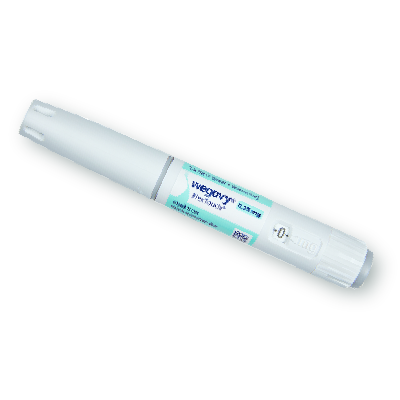
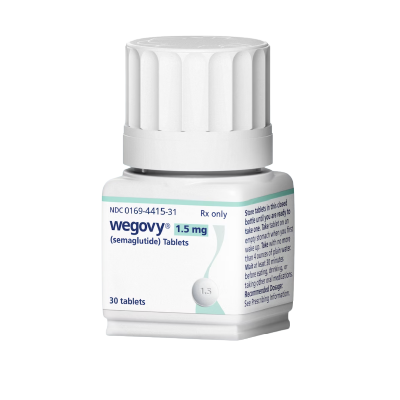
What is Wegovy?
Wegovy is a medication used to support weight loss in adults with obesity or those who are overweight with weight-related health conditions. It contains the active ingredient semaglutide and is administered as a once-weekly injection alongside lifestyle changes such as a healthy diet and increased physical activity [1][2].
Wegovy belongs to a class of medicines known as GLP-1 receptor agonists. These medications mimic the effects of a naturally occurring hormone called glucagon-like peptide-1 (GLP-1), which plays a role in appetite regulation and blood sugar control. By slowing stomach emptying and increasing feelings of fullness, Wegovy helps reduce calorie intake and supports sustained weight loss [3].
As with any medication, Wegovy can cause side effects. According to guidance from the NHS and clinical trial data, the most commonly reported side effects include nausea, vomiting, diarrhoea, constipation, and abdominal discomfort [1][4]. Headaches have also been reported by some people using Wegovy, particularly during the early stages of treatment or when doses are increased.
Does Wegovy give you headaches?
Some people using Wegovy report headaches as a side effect, although they are generally considered less common than digestive symptoms. Clinical trials evaluating semaglutide for weight management found that headaches occurred in 4.2% more patients taking Wegovy in comparison to those taking a placebo, though most cases were mild to moderate in severity [4][5].
Headaches can occur for several reasons during weight-loss treatment. Changes in diet, reduced calorie intake, dehydration, or fluctuations in blood sugar levels may all contribute. In many cases, headaches improve as the body adapts to the medication and new eating patterns.
Compared with headaches caused by other medications, Wegovy-related headaches tend to resemble tension-type headaches rather than severe migraines. They often involve a dull ache or pressure around the head rather than throbbing pain or visual disturbances.
It is also important to differentiate headaches associated with Wegovy from other types of headaches, such as migraines or stress-related tension headaches. Lifestyle factors including poor sleep, dehydration, or high stress levels can trigger headaches independently of medication use.
What causes headaches on Wegovy?
Several factors may contribute to headaches while taking Wegovy, and these often relate to changes in metabolism, appetite, and hydration during treatment [7][8].
One possible cause is dehydration. Because Wegovy reduces appetite and may cause digestive side effects such as nausea, some people unintentionally drink less fluid throughout the day. Even mild dehydration can lead to headaches, fatigue, and dizziness [7][8].
Another potential factor is dose escalation. Wegovy treatment usually begins with a low dose that gradually increases over several weeks. This gradual increase allows the body to adjust to the medication, but some individuals may experience temporary side effects, including headaches, during this adjustment phase [5][9].
Blood sugar fluctuations may also contribute. Although Wegovy is primarily used for weight management, it also affects glucose metabolism by acting as a glucagon-like peptide-1 (GLP-1) receptor agonist, which influences insulin secretion and appetite regulation [9]. Changes in blood sugar levels, particularly if meals become irregular or smaller, may trigger headaches in some individuals.
Electrolyte imbalance can also play a role. Electrolytes such as sodium, potassium, and magnesium help regulate nerve and muscle function. Changes in diet or fluid intake during weight loss may influence electrolyte balance and contribute to headache symptoms [10].
Finally, lifestyle factors such as stress, fatigue, or poor sleep may worsen headaches during treatment. These factors are well-known headache triggers and may become more noticeable when the body is adapting to new dietary patterns [11].
What do Wegovy headaches feel like?
Headaches experienced during Wegovy treatment are typically mild to moderate in intensity. Many people describe them as similar to tension-type headaches, with a dull ache or pressure across the forehead or temples [11].
Pain is often felt on both sides of the head and may be accompanied by tightness in the neck or scalp. These headaches are usually less severe than migraines and rarely involve symptoms such as visual disturbances or sensitivity to light [11].
Some individuals may experience associated symptoms such as fatigue, dizziness, or mild nausea. However, these symptoms may also relate to other side effects of the medication, particularly during the early stages of treatment [5].
In most cases, Wegovy-related headaches are temporary. They may last for a few hours or occasionally a day, and they often improve with rest, hydration, or simple pain relief.
How common are headaches on Wegovy?
Headaches are reported by some patients using Wegovy, but they are generally not among the most common side effects. Gastrointestinal symptoms such as nausea, vomiting, and diarrhoea are reported more frequently in clinical trials [4][5].
In the STEP clinical trial programme evaluating semaglutide for obesity treatment, headaches were reported in approximately 14% of participants receiving semaglutide compared with about 10% receiving placebo [9].
Some anecdotal reports from patients suggest headaches may occur more frequently during the early stages of treatment or shortly after a dose increase. This pattern may reflect the body’s adjustment to the medication and changes in appetite or fluid intake [9].
However, not everyone experiences headaches while taking Wegovy. Individual tolerance can vary depending on factors such as hydration levels, diet, sleep quality, and overall health.
For many people, headaches become less frequent as treatment continues and the body adapts to the medication.
How to prevent headaches on Wegovy?
Preventing headaches while taking Wegovy often involves maintaining healthy daily habits.
Staying well hydrated is particularly important. It is recommended to drink 2-3L of fluids per day when on GLP-1 medications such as Wegovy. [6].
Maintaining electrolyte balance can also help reduce the risk of headaches. Eating balanced meals that include fruits, vegetables, and whole foods can provide essential minerals such as potassium and magnesium [7].
Lifestyle factors may also influence headache risk. Managing stress through relaxation techniques, exercise, or mindfulness practices may help reduce headache frequency [11].
Ensuring adequate sleep is equally important. Poor sleep quality is a common headache trigger and can make existing symptoms worse [11].
When is the best time to take Wegovy to avoid headaches?
Wegovy is taken once weekly as an injection. The medication can generally be taken at any time of day, as long as the injection is given on the same day each week [6].
Some people prefer taking Wegovy in the evening so that mild side effects occur overnight. Others may choose mornings so they can monitor how they feel throughout the day.
If headaches consistently occur after injections, it may be helpful to discuss the timing with a healthcare professional. Adjusting the injection schedule or dose escalation plan may help reduce side effects.
Can you take medication to help headaches on Wegovy?
Occasional headaches during Wegovy treatment can often be managed with over-the-counter pain relief.
Common options in the UK include paracetamol and ibuprofen. These medications can help relieve mild to moderate headaches when taken according to the instructions on the packaging [11].
Non-medication approaches may also help relieve headache symptoms. Resting in a quiet environment, drinking fluids, and applying a cold or warm compress to the head or neck may provide relief [11].
If headaches occur frequently or require repeated use of pain relief medication, it is advisable to consult a healthcare professional.
What to do if headaches don't get better on Wegovy?
Most headaches associated with Wegovy are temporary and improve as the body adapts to treatment. However, persistent headaches should be discussed with your healthcare provider.
A clinician may evaluate factors such as hydration, nutrition, sleep patterns, and other medications that could contribute to headaches.
In some cases, adjusting the Wegovy dosage or slowing the dose escalation schedule may help reduce side effects. These adjustments should always be made under medical supervision.
Healthcare providers may also review potential interactions with other medications that could contribute to headache symptoms.
When to Seek Medical Attention
Most headaches associated with Wegovy are temporary and improve as the body adjusts to the medication. However, persistent or severe headaches should be discussed with a healthcare professional.
A clinician may assess factors such as hydration levels, diet, sleep patterns, and blood sugar control to determine the underlying cause.
In some cases, adjusting the medication dose or slowing the dose escalation schedule may help reduce side effects. If headaches remain problematic, healthcare providers may consider whether an alternative treatment option is more suitable.
Anyone experiencing severe headaches, visual disturbances, confusion, or other unusual symptoms should seek medical advice promptly.
If you have any further questions, concerns, or queries about Mounjaro or headaches during treatment, please feel free to contact us. Our team will be happy to help and provide guidance.
References
- National Institute for Health and Care Excellence. Semaglutide for managing overweight and obesity.
- National Health Service. Obesity treatment and weight management guidance.
- European Medicines Agency. Wegovy (semaglutide) Summary of Product Characteristics.
- Medicines and Healthcare products Regulatory Agency. Wegovy patient information leaflet.
- Wilding JPH et al. Once-weekly semaglutide in adults with overweight or obesity. The New England Journal of Medicine.
- https://pubmed.ncbi.nlm.nih.gov/38853526/
- Cleveland Clinic. Dehydration Headache: Symptoms and Treatment.
- NHS. Headaches – causes and treatment guidance. NHS guidance on hydration and headache prevention.
- STEP Clinical Trial Programme – Semaglutide Treatment Effect in People with Obesity (clinical trial safety outcomes including headache incidence).
- National Institutes of Health. Electrolytes and their role in nerve and muscle function.
- NHS. Tension-type headaches and common headache triggers.
