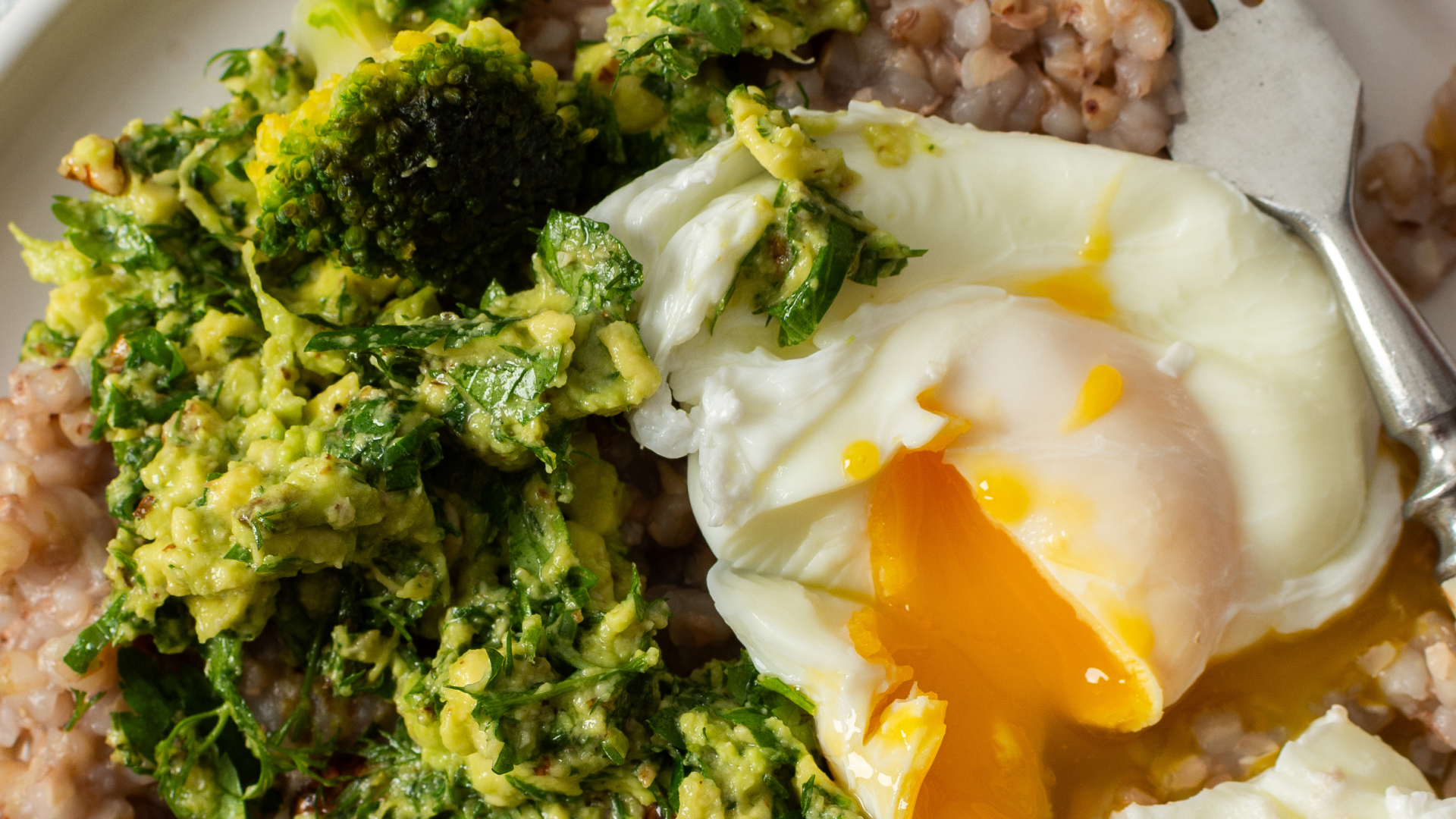
When you’re eating far less than you used to, every mouthful has to work harder for you. Protein is the nutrient that matters most here, because it’s what protects your muscle while the weight comes off. Here’s how much you need, and how to get it in.
What GLP-1 Medications Do to Your Appetite and Food Intake
GLP-1 medications like semaglutide (Wegovy) and tirzepatide (Mounjaro) work largely by turning your appetite down. That’s the point, and it’s what helps you eat less and lose weight.
The knock-on effect is that you take in fewer calories, and often far less protein than your body needs. It becomes easy to feel full on very small amounts of food, so without a bit of planning there’s a real risk of falling short. When you’re eating less, every bite needs to count nutritionally, and that’s exactly why protein becomes the macronutrient to prioritise.
Is there a risk of muscle loss during GLP-1-driven weight loss?
Yes, and it’s worth understanding. Losing weight quickly doesn’t automatically mean losing fat. Some of what you lose can be muscle.
Studies in people using these medications suggest that roughly a quarter to a third of the weight lost can come from lean tissue, including muscle, rather than fat alone. That matters for two reasons. Muscle keeps you strong, energetic and mobile, so losing too much affects how you feel day to day. And because muscle is a little more metabolically active than fat, losing a lot of it can nudge your metabolism down and make weight harder to keep off long term.
Protecting your lean mass is one of the most important nutritional goals you can have on a GLP-1, and low protein intake is one of the main drivers of muscle loss when you’re eating less.
How can protein help support muscle preservation when on GLP-1s?
Protein provides the amino acids your body uses to repair and maintain muscle. Getting enough of it effectively signals your body to hold onto muscle even while you’re in a calorie deficit.
Without enough, your body may break down muscle tissue to get the amino acids it needs elsewhere. With enough, you preserve lean mass, which helps keep your metabolism ticking over during weight loss, and paired with strength training, it can even support muscle growth and better overall body composition.
How Much Protein You Actually Need on GLP-1 Medications
There’s no single number that fits everyone, but there are clear, practical ranges to aim for.
The General Protein Targets Recommended for GLP-1 Users
A simple, practical aim for most people during weight loss is around 80 to 120g of protein a day, and at least 60g. There’s no need to weigh yourself and do sums, as an absolute daily target is easier to stick to and avoids over- or underestimating. What matters just as much is spreading it out: aim for roughly 25 to 35g at each main meal, plus a protein-rich snack or two, because your body uses protein for muscle more effectively in moderate amounts across the day than in one large hit.
How Body Weight and Body Composition Goals Affect Your Protein Needs
Your goals shape where you sit within that range. If you’re focused on preserving as much lean mass as possible while losing fat, aim towards the higher end, nearer 120g, and make protein the anchor of each meal, building the rest of the plate around it. If you’re taller or have more muscle to begin with, the higher end suits you too. The key is consistency day to day rather than hitting an exact figure.
How Age Changes Your Protein Needs on GLP-1s
From our 30s onwards we all gradually lose muscle through a natural process called sarcopenia. If you’re older, protecting muscle becomes even more important, and slightly higher protein intake helps preserve strength and independence as you lose weight. Older adults are among those who benefit most from prioritising protein on these medications.
How Your Activity Level Influences Protein Requirements
Protein and movement work as a pair. If you’re doing resistance or strength work, protein has more to do and becomes even more valuable, as the two together are what preserve and build muscle. If you’re less active, protein still protects lean mass, but you won’t get the same muscle-building benefit without the exercise to go with it.
How Health Status Affects Protein Needs on GLP-1s
This is the important exception. If you have kidney disease or another condition that requires a controlled protein intake, the general advice above may not be right for you, and you may need a lower, personalised target. Always follow your specialist’s guidance first and check with your doctor or a dietitian before increasing protein.
How to Actually Hit Your Protein Goals on GLP-1 Medications
Knowing your target is one thing. Hitting it on a small appetite is another. These few habits make it far easier.
Choosing the Best Protein Sources When Your Appetite Is Suppressed
When you can only manage a little, choose foods that pack protein into a small volume. Good options include eggs, Greek or skyr yoghurt, cottage cheese, fish, chicken, lean meat, tofu, soya, and lower-fat cheese. If nausea makes meat unappealing early on, dairy, eggs and softer options are often easier to face. Lead with the protein on your plate and eat that first, so it gets in even if you fill up before you finish.
Protein Shakes and Protein Supplements that actually work
On days when solid food feels like too much, a protein shake is a genuinely useful top-up, as liquids often go down more easily than a full plate. Look for one providing around 20 to 30g of protein per serving. Shakes and bars are helpful as a complement to meals rather than a replacement for them, since whole foods bring other nutrients like fibre, vitamins and minerals that supplements often lack.
Plan your meals ahead of time to Meet Protein Targets on GLP-1s
A little planning beats willpower. Decide where your protein is coming from at each meal before you’re faced with a small appetite and no ideas. Keeping easy options on hand, such as yoghurt, eggs, pre-cooked chicken or a shake, means you’re never caught out on a low-appetite day.
How to recognise signs That You Are Not Getting Enough Protein on GLP-1s
Your body will often tell you if you’re falling short. Watch for unusual tiredness, feeling weaker or finding everyday tasks harder, more hair shedding than usual, and slower healing of cuts or grazes. Rapid weight loss on the scales can be another clue that you may be losing muscle rather than fat.
None of these mean you’ve done anything wrong. They’re simply signs to act on. If you notice them, or you consistently can’t manage much food at all, speak to your prescriber. They may adjust your dose or refer you to a dietitian for tailored support.
Look after your protein, and you look after your muscle, your strength and your long-term results.
References
- Almandoz JP, Wadden TA, Tewksbury C, et al. Nutritional considerations with antiobesity medications. Obesity (Silver Spring). 2024;32(9):1613–1631.
- Mozaffarian D, Agarwal M, Aggarwal M, et al. Nutritional priorities to support GLP-1 therapy for obesity: A joint Advisory. Obesity (Silver Spring). 2025.
- Dobbie LJ, Tolvanen L, Alves D, et al. Nutritional, functional, and psychological considerations for incretin-based therapies in adults — an EASO, EFAD, and ECPO Consensus Statement. Lancet Diabetes Endocrinol. 2026.
This article is general information, not personal medical advice. Your protein needs, medication and any other conditions are individual, so please discuss them with your prescriber or a registered dietitian.