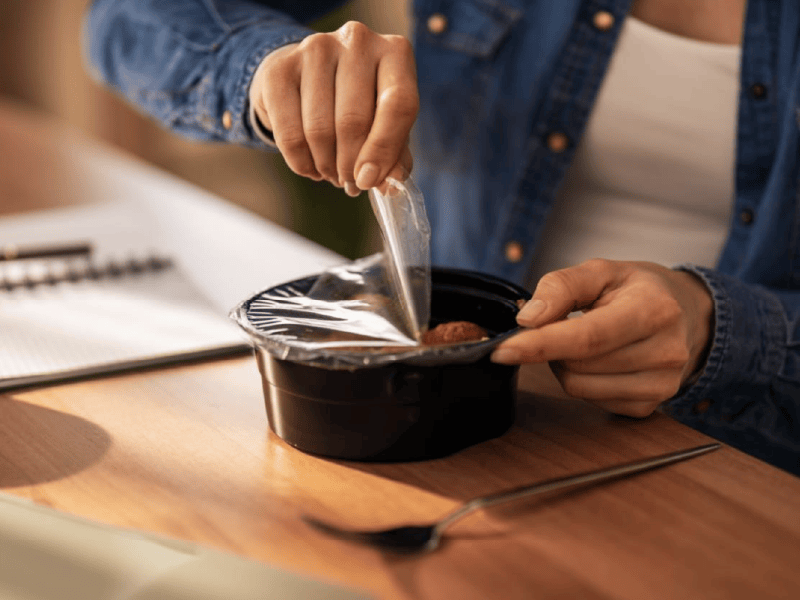
Mounjaro Ready Meals: Convenient, but Not a Long-Term Solution
If you’re taking Mounjaro (tirzepatide), you may have noticed ready meals marketed as “Mounjaro-friendly.” These are pre-packaged, portion-controlled meals that typically contain higher protein than standard ready meals. They are designed for people with smaller appetites or those looking for a quick and convenient option.
While these meals can be useful in the short term, it is important to understand what they can and cannot do. They are not a medical requirement, and they do not replace the skills and flexibility needed to maintain healthy, balanced eating over the long term.
What are Mounjaro Ready Meals?
Mounjaro Ready Meals are essentially pre-prepared meals that offer convenience and predictability. Many contain between 20 and 40 grams of protein per serving, which can help support fullness and preserve lean muscle during weight loss. They usually include small amounts of vegetables, more than standard ready meals, but still modest in portion. Most meals also contain carbohydrates from ingredients such as rice, pasta, or potato, which provide steadily releasing energy.
The main benefit of these meals is that they are convenient and structured, making it easier to eat consistently when appetite is reduced. They can be particularly helpful for people with busy schedules, shift work, or limited energy for cooking. However, while they can support short-term nutrition goals, they are not intended to provide all the skills, variety, or experience necessary for long-term healthy eating.
Short-term benefits
There are practical reasons these meals have become popular among people using Mounjaro. They remove the need to plan, shop, and cook, which can be particularly appealing when appetite is low or energy for meal preparation is limited. Microwaveable options mean a meal can be ready in minutes, and the portion-controlled servings align with smaller appetites. Many patients also appreciate the variety across different mealtimes, including breakfast, lunch, dinner, and snacks.
Used strategically, these meals can help maintain consistent protein and calorie intake. They can prevent skipped meals and provide reassurance that some nutritional targets are being met, particularly during periods when appetite is suppressed. For those navigating busy or unpredictable schedules, having a structured, ready-to-eat meal can simplify eating and reduce decision fatigue.
Why they are not suitable as a long-term strategy
While ready meals can provide short-term support, relying on them as a long-term approach to nutrition or weight management has limitations. One of the main issues is that they do not develop practical skills. Using pre-portioned meals day after day does not teach cooking, meal planning, or how to judge portions. It also reduces flexibility in food choices, keeping decisions external rather than empowering you to adapt meals to your hunger, preferences, and lifestyle.
Over time, dependence on ready meals can also lead to monotony. Even with multiple flavours and cuisines available, consistently eating pre-packaged meals can feel repetitive, which may affect motivation to eat regularly and reduce satisfaction. In addition, while these meals contain protein and some vegetables, the small portions mean they may not provide the variety of nutrients your body needs for optimal health. Relying solely on ready meals can leave gaps in micronutrient intake, particularly if they are replacing home-prepared meals that include a wider range of vegetables and other foods.
Environmental considerations are another factor. Frequent use of single-use packaging can contribute to waste, which may be an important consideration for those aiming for more sustainable living. While convenience is valuable, it is important to weigh it against the longer-term implications for nutrition, skill development, and independence.
Balancing convenience with long-term habits
Mounjaro can be an effective tool for weight loss, but sustaining results after stopping medication requires building practical nutrition and lifestyle habits. Short-term convenience is useful, but long-term success depends on learning how to plan and prepare simple, balanced meals, adjusting portions according to appetite, and combining protein, carbohydrate, and vegetables appropriately.
Patients who maintain their weight loss over time tend to combine the use of ready meals for convenience with skill-building and habit development, rather than relying on pre-packaged options exclusively. Developing these skills ensures that meals can be adapted to changes in appetite, lifestyle, and social circumstances, while maintaining balanced nutrition and enjoyment of food.
Supporting sustainable habits with Phlo Nourish
The Phlo Nourish programme is a holistic approach designed to help people using Mounjaro build long-term, sustainable habits. It goes beyond ready meals, providing guidance on balanced nutrition, physical activity, mindset, and managing emotional eating. The 16-week programme focuses on practical skills such as meal planning, portion control, and creating balanced meals, while also helping patients develop confidence and strategies to navigate real-life challenges.
While Mounjaro Ready Meals can provide short-term support during busy or low-appetite periods, long-term success comes from combining knowledge, skills, and consistent habits across all areas of daily life. Phlo Nourish helps patients make healthier choices, feel more in control of their eating patterns, and develop lasting lifestyle habits.
For more information or to explore the programme, visit: Phlo Nourish.
Mounjaro Ready Meals can be useful for short-term convenience, but they are not a long-term solution. Relying on them exclusively does not build cooking skills or ensure balanced nutrition. Sustainable weight management requires practical meal planning, portion awareness, and balanced home-prepared meals.