


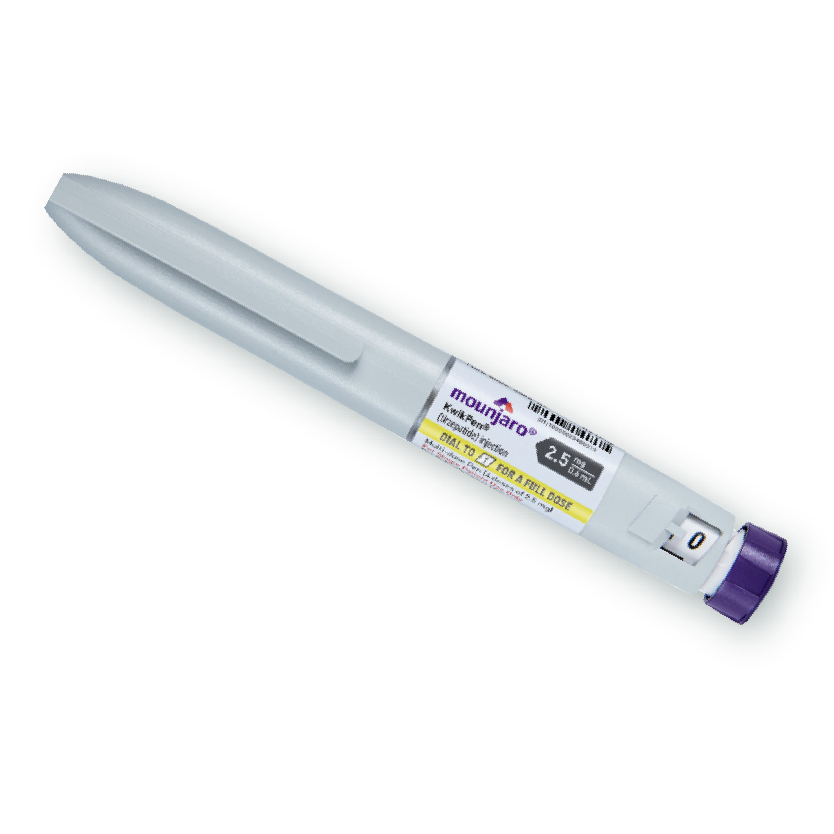
What is Mounjaro?
Mounjaro (tirzepatide) is a prescription medication used for weight loss for people with obesity or weight-related health conditions and to help manage type 2 diabetes. It works on two hormonal pathways involved in blood sugar regulation and appetite control. Mounjaro should be used alongside lifestyle measures such as diet and exercise.
Relevance to thyroid function and metabolism
Although tirzepatide mainly targets glucose metabolism, the endocrine system is closely interconnected. The thyroid gland regulates metabolic rate, energy expenditure and hormone balance throughout the body. Because of this link, clinicians will consider any thyroid condition when prescribing medications that influence metabolic processes.
Hyperthyroidism: what is it?
Hyperthyroidism is a condition where the thyroid gland produces too much thyroid hormone, causing the body’s metabolism to speed up. This condition can develop for several reasons, most commonly Graves’ disease, thyroid nodules or inflammation of the thyroid gland. Excess thyroid hormone affects multiple body systems, including the heart, nervous system and metabolism.
Symptoms of hyperthyroidism
Symptoms often develop gradually but may include palpitations, anxiety, tremors, excessive sweating and heat intolerance. Many people also experience unintentional weight loss, fatigue or difficulty sleeping. Because the body’s metabolic rate increases, individuals may feel constantly overheated or restless.
Effects on metabolism and glucose regulation
Thyroid hormones play an important role in regulating metabolism and energy balance. When hormone levels become elevated, metabolic processes accelerate and the body burns energy more quickly. Hyperthyroidism can also influence how the body regulates glucose. Increased thyroid hormone levels can stimulate glucose production in the liver and reduce insulin sensitivity. As a result, some people with hyperthyroidism may find blood sugar control more difficult, particularly if they also have type 2 diabetes.
Can you take Mounjaro with hyperthyroidism?
Many people with hyperthyroidism may still be able to take Mounjaro, but this depends on their individual medical history and whether their thyroid condition is well controlled. Hyperthyroidism itself is not listed as a strict contraindication for Mounjaro, however, healthcare providers should assess the underlying cause of the condition, and any medications being used to manage the disorder to ensure it is safe for you to take Mounjaro alongside.
Why hyperthyroidism is a consideration when prescribing Mounjaro
When prescribing medications that affect metabolic pathways, clinicians must take existing endocrine conditions into account. Although Mounjaro does not directly stimulate thyroid hormone production, it influences metabolic regulation and energy balance. In people with hyperthyroidism, these metabolic systems are already overactive, which means clinicians may want to monitor how the body responds to treatment.
Hyperthyroidism can also cause symptoms that overlap with potential Mounjaro side effects, including increased heart rate, nervousness and changes in weight. For this reason, healthcare providers aim to understand the full clinical picture before prescribing treatment.
Mounjaro drug interactions and thyroid medications
People with hyperthyroidism often take medications to reduce thyroid hormone production or control symptoms. Common treatments include antithyroid medications such as carbimazole, as well as beta-blockers to manage heart rate and palpitations.
Current evidence does not show direct drug interactions between Mounjaro and most thyroid medications. However, metabolic changes associated with weight loss or improved glucose control may occasionally alter how the body responds to other treatments. For example, as body weight decreases or metabolic health improves, healthcare providers may review your mounjaro doses to ensure they remain appropriate. Regular follow-up appointments allow clinicians to monitor symptoms and make adjustments if necessary. Here at Phlo Clinic, we ensure every patient has a monthly check in with our clinical team.
What risks are there to taking Mounjaro with hyperthyroidism?
Although many patients can safely use Mounjaro, some risks should still be considered when thyroid disease is present. Individuals with thyroid dysfunction may experience hormonal fluctuations that affect energy levels, heart rate and metabolism. Because Mounjaro also affects metabolic pathways, clinicians usually monitor patients carefully when these conditions occur together.
How to manage hyperthyroid symptoms while taking Mounjaro
If you have hyperthyroidism and are prescribed Mounjaro, ongoing monitoring and symptom management are important. Healthcare professionals may recommend tracking symptoms such as palpitations, tremor, anxiety or excessive sweating. These symptoms may indicate changes in thyroid hormone levels or could be related to other metabolic changes occurring during treatment.
Mounjaro itself can also cause side effects, particularly during the early stages of treatment. The most common effects include nausea, vomiting and digestive discomfort. Starting at a lower dose and gradually increasing it can help minimise these symptoms. Regular follow-up appointments allow clinicians to monitor both thyroid health and metabolic progress. Symptom reviews and medication adjustments may all be part of ongoing care.
References
- Zhang Z, Yang J, Gao L. Implications of GLP-1 receptor agonists on thyroid function and thyroid nodules. Endocrine Practice. 2026.
- Humaida S et al. Dual GLP-1/GIP receptor agonist-associated thyroiditis following tirzepatide use. Cureus. 2025.
- Liu Y et al. Use of GLP-1 receptor agonists and occurrence of thyroid disorders: a meta-analysis. Diabetes Metabolism Research and Reviews.
- Eli Lilly. Tirzepatide (Mounjaro) prescribing information.
- American Thyroid Association. Hyperthyroidism and other causes of thyrotoxicosis: management guidelines.
- NHS. Overactive thyroid (hyperthyroidism).
- Davies M et al. Tirzepatide versus semaglutide once weekly in patients with type 2 diabetes. New England Journal of Medicine.
.png)
