
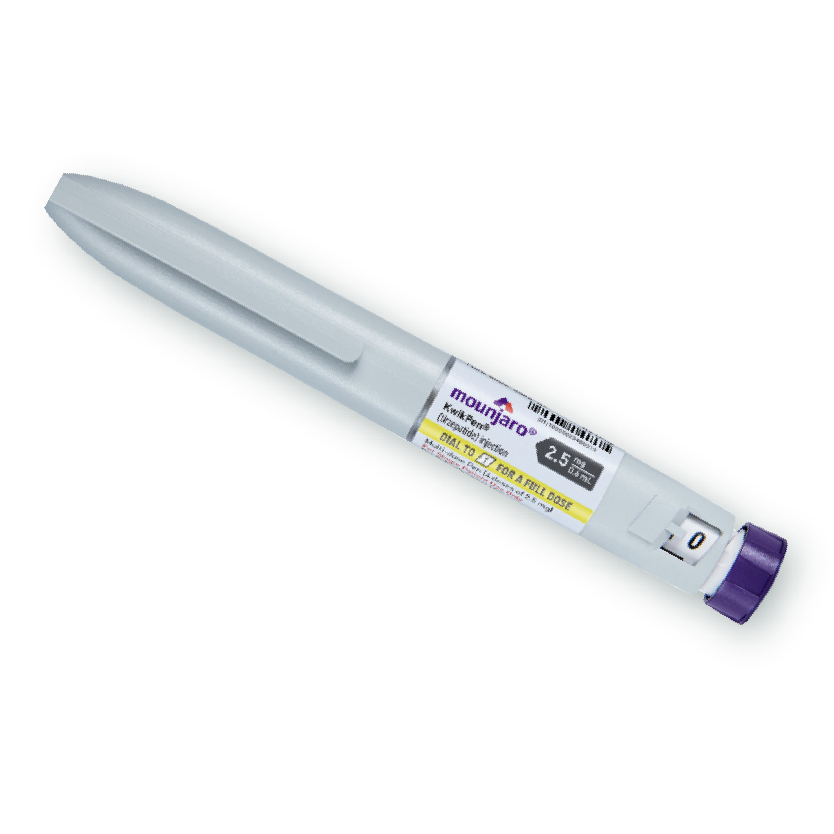
If you’ve seen stories online about Mounjaro and pancreatitis, it’s understandable to feel concerned. Pancreatitis is a serious condition involving inflammation of the pancreas, and cases have been reported in some people taking Mounjaro (tirzepatide). In January 2026, the UK medicines regulator strengthened its safety warnings around this possible risk.
However, it’s important to keep the risk in perspective. Based on clinical trial data and real-world UK evidence, pancreatitis appears to be an uncommon side effect, and experts have not confirmed that Mounjaro directly causes every reported case. Many people who developed pancreatitis also had other known risk factors, such as gallstones or heavy alcohol use.
This article explains what the current evidence actually shows, the symptoms to watch out for, who may need to take extra care, and when to seek urgent medical advice.
Key points
- Pancreatitis has been reported in people taking Mounjaro, but it appears to be rare, with clinical trial rates estimated at around 0.23% to 0.39%
- Current evidence does not prove that Mounjaro directly caused every reported case, and other risk factors are often involved
- Pancreatitis is still a serious condition, so it’s important to know the warning signs
- If you develop severe or persistent stomach pain while taking Mounjaro, especially if it spreads to your back or is accompanied by vomiting, seek urgent medical attention rather than waiting for your next routine appointment
What the current evidence says about pancreatitis and Mounjaro
Across the major tirzepatide clinical trials reviewed by the FDA and cited in published research, acute pancreatitis occurred in roughly 0.32% to 0.39% of participants. A dose-response meta-analysis published in Pancreatology in March 2026 put the overall estimate slightly lower, at around 0.22%, and found no clear signal that higher doses of tirzepatide increased the risk.
To put those numbers in context, pancreatitis also occurred in placebo groups at a rate of around 0.11%. That matters because it shows pancreatitis can develop in people who are not taking any weight loss medicine at all, which makes it harder to conclude that Mounjaro is the direct cause in every reported case.
The table below compares reported pancreatitis rates across tirzepatide and similar GLP-1 medicines from available trial data.
A one-year UK hospital audit published in November 2025 reviewed 222 inpatient pancreatitis admissions and found that only four patients (1.8%) were taking tirzepatide at the time. All four cases were mild.
Why pancreatitis can be hard to attribute to one cause
Pancreatitis is not caused by one thing. It’s a condition with multiple well-established triggers, which means that when it occurs in someone taking Mounjaro, the medicine may not be the primary reason.
Common causes of pancreatitis include:
- Gallstones (the most frequent cause in the UK, accounting for around half of all acute cases)
- Heavy or prolonged alcohol use
- Very high triglyceride levels (a type of fat in the blood, particularly at levels above 10 mmol/L)
- A personal history of pancreatitis
- Certain other medicines
- Infections or autoimmune conditions
In the UK hospital audit mentioned above, three of the four tirzepatide-associated cases had a clear alternative explanation: two had gallstones and one reported significant alcohol use. Only one case had no identifiable alternative cause.
There’s also another important factor to be aware of. Mounjaro can lead to significant weight loss, especially during the first few months of treatment. While this is often the goal of treatment, rapid weight loss can sometimes increase the risk of developing gallstones. Gallstones are one of the most common causes of pancreatitis.
This means that in some cases, the increased risk may be linked more to gallstones developing during weight loss rather than the medication directly causing pancreatitis itself.
The UK medicines regulator (MHRA) addressed this in its January 2026 safety update. The guidance strengthened warnings across all GLP-1 and GLP-1/GIP weight loss medications to encourage careful monitoring and awareness of symptoms, while also recognising that pancreatitis can have several possible causes and may not always be directly caused by the medication alone.
Who may need extra caution before starting Mounjaro
Having a risk factor for pancreatitis does not automatically mean Mounjaro is unsuitable for you. But it does mean your prescriber needs a complete picture of your medical history before making a decision.
The MHRA advises that Mounjaro should be used with caution in patients with a history of pancreatitis. Before starting treatment, your prescribing pharmacist will want to know about the following:
- Prior pancreatitis: if you’ve had pancreatitis before, this needs to be discussed carefully. People with a history of idiopathic (unexplained) pancreatitis may face a higher baseline risk
- Gallstone disease: active or recent gallstones increase the underlying risk of pancreatitis independently of any medicine
- Heavy alcohol use: alcohol is a direct risk factor for pancreatitis. If you’re currently drinking heavily, this should be disclosed before starting treatment. Our guide on Mounjaro and alcohol covers this in more detail
- Other medicines: some medicines can affect pancreatitis risk or interact with Mounjaro. A full medication review is part of a thorough prescribing assessment
The goal of this screening is not to exclude patients unnecessarily. It’s to ensure that treatment decisions are made with a full understanding of each person’s individual risk profile, and that any higher-risk patients receive appropriate counselling and monitoring.
Symptoms that need urgent medical attention
This is the most important section to remember. Pancreatitis is a serious condition that requires prompt medical assessment. Knowing the warning signs means you can act quickly if they appear.
Seek urgent medical attention if you experience:
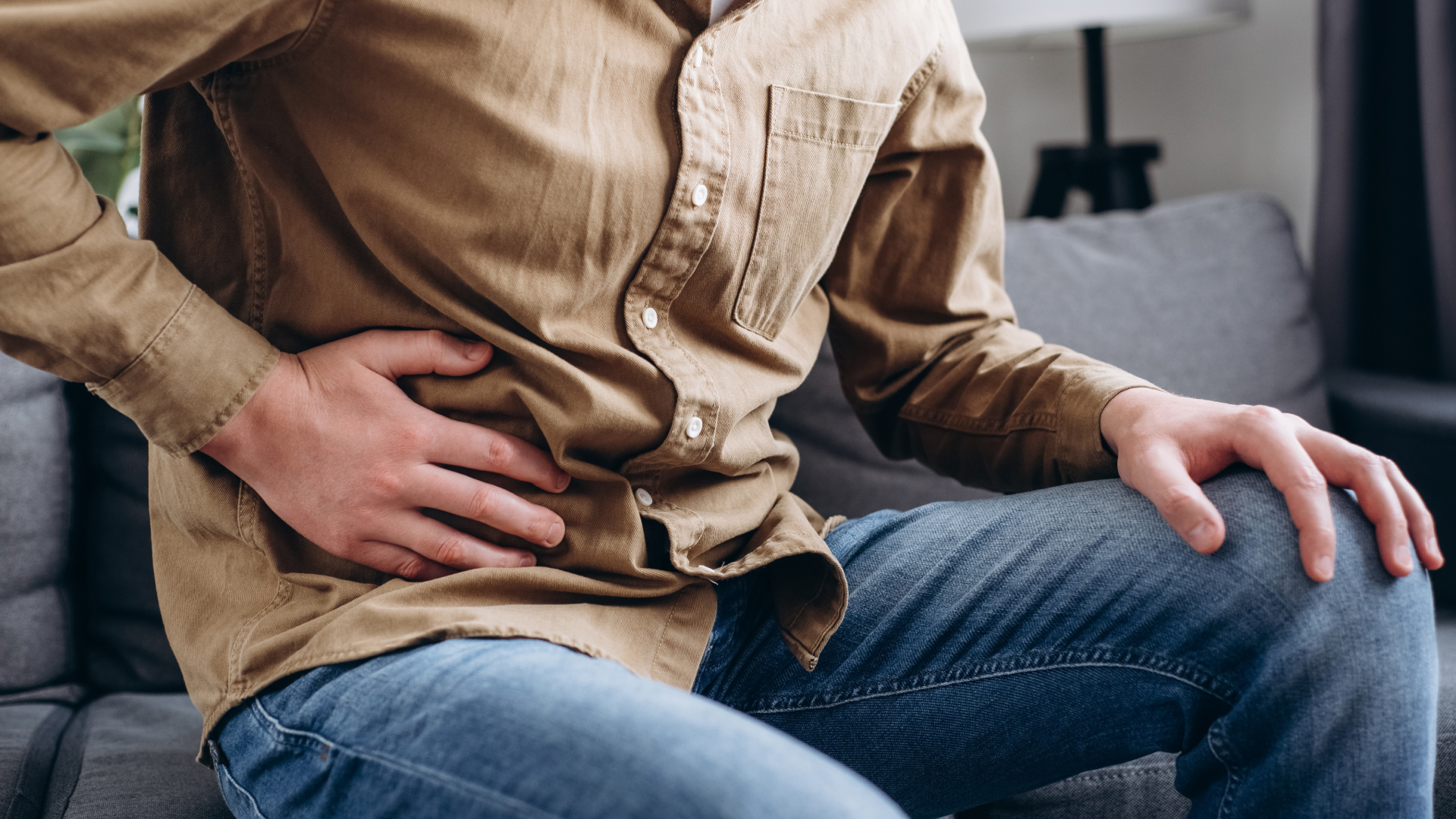
- Persistent, severe pain in your upper abdomen that does not ease
- Pain that spreads or radiates through to your back
- Nausea or vomiting alongside the abdominal pain
- Symptoms that feel significantly different from the mild digestive side effects (such as brief nausea or loose stools) that are common in the first weeks of treatment
What to do if pancreatitis is suspected
Per the MHRA’s updated guidance and the prescribing information for Mounjaro:
- Stop taking Mounjaro immediately if pancreatitis is suspected; do not wait until your next dose is due
- Seek urgent medical attention, whether through NHS 111, your GP, or A&E depending on the severity
- Do not restart Mounjaro if a diagnosis of pancreatitis is confirmed; this applies regardless of severity
For a broader overview of what to watch for during treatment, our Mounjaro side effects guide covers the full range of reported effects and how to manage them.
The bottom line for patients considering treatment
Pancreatitis is a real and serious warning associated with Mounjaro. It’s right that it’s taken seriously by regulators, prescribers, and patients. At the same time, the available evidence suggests it’s uncommon, the rates seen in trials are not dramatically higher than with placebo, and most reported cases have been mild with identifiable confounding factors.
The right approach is neither to dismiss the risk nor to be alarmed by it, but to make an informed decision with a qualified prescriber who can assess your individual history.
Here’s how to approach that conversation:
- Be open about your medical history including any prior pancreatitis, gallstones, alcohol use, or medicines you’re taking
- Make sure you know the warning signs before you start, so you can act quickly if anything changes
- Keep your follow-up appointments so any concerns can be identified and addressed early
At Phlo Clinic, every Mounjaro treatment order is reviewed individually by a qualified prescribing pharmacist before it’s approved. That review covers your medical history, current medicines, and suitability for treatment, so that you’re supported to make a safe, informed decision from the start. Find out more about our Mounjaro weight loss treatment.
References
- MHRA Drug Safety Update, January 2026. GLP-1 receptor agonists and dual GLP-1/GIP receptor agonists: strengthened warnings on acute pancreatitis, including necrotising and fatal cases. Medicines and Healthcare products Regulatory Agency.
- Hossain et al., November 2025. Pancreatitis in Patients Receiving Tirzepatide (Mounjaro): A One-Year Audit in a UK District General Hospital. Cureus, 17(11): e96974.
- PMC full text of the above UK hospital audit. Pancreatitis in Patients Receiving Tirzepatide (Mounjaro): A One-Year Audit in a UK District General Hospital. PubMed Central.
- JCEM Case Reports, 2025. Comparative evidence on placebo pancreatitis incidence in tirzepatide trials. Journal of the Endocrine Society Case Reports, 3(6): luaf087.
- Pancreatology, March 2026. Dose-response meta-analysis of tirzepatide and pancreatitis risk. Pancreatology. Available at: pancreatology.net.
- Jastreboff AM et al., 2022. Tirzepatide Once Weekly for the Treatment of Obesity. New England Journal of Medicine, 387: 205-216.
.png)
