

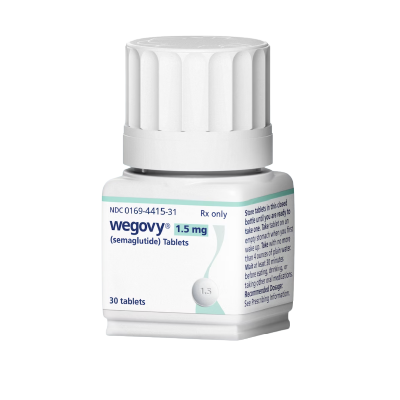
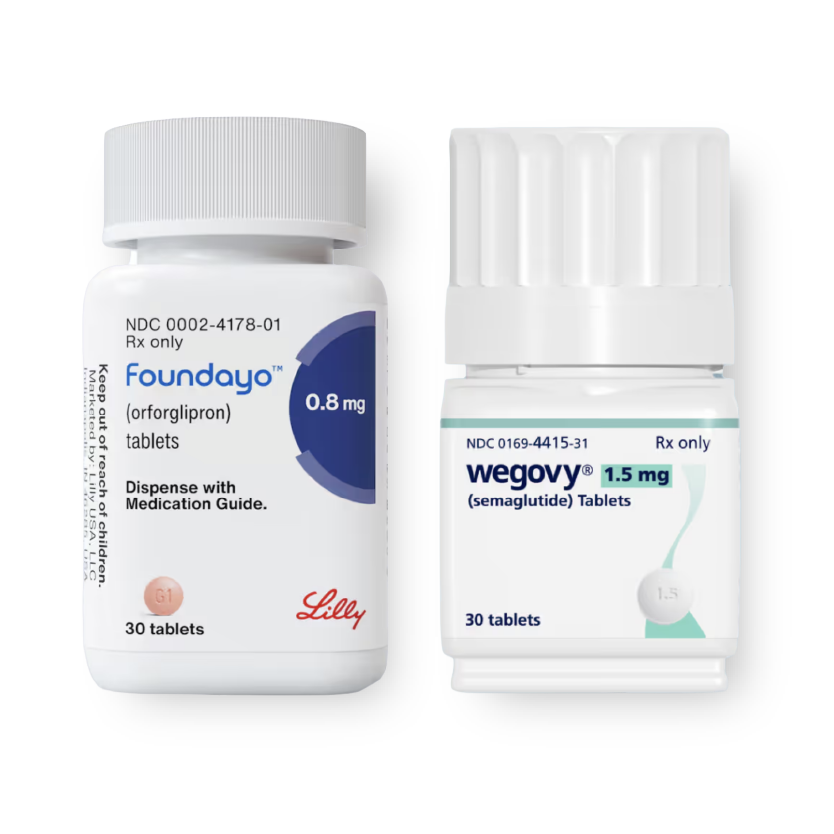
What is the Wegovy tablet?
The Wegovy injection is a popular weight loss medication, however it is now available in a tablet form to be taken once daily1. The Wegovy tablet contains the same active ingredient as the injection (semaglutide), which is a glucagon-like peptide-1 (GLP1) agonist. Semaglutide mimics the hormone GLP-1 which tells your brain you’re full, slows down digestion to help you feel full for longer and reduces your appetite. Alongside a reduced-calorie diet and increased physical activity, the Wegovy tablet may be prescribed to adults in the UK with obesity, who have a Body Mass Index (BMI) of 30 or above, or who are overweight with a BMI between 27 and 30 and at least one weight-related comorbidity.
Is the Wegovy tablet right for you? (tablet vs injection)
Many patients have had great weight loss success with the Wegovy injection, however some patients may not have been able to try the medication due to an aversion to needles or self-injecting. The Wegovy tablet may be more suitable to you in this case, as well as if you are able to wait 30 minutes in the morning before eating or drinking anything other than a small glass of water, if you travel frequently so may not always have access to a fridge to store the injection, or if you prefer a more discreet medication regimen such as a tablet box and no need for a sharps bin and pens.
However, there are some patients who are more suited to remain or commence their weight loss journey using the injections, such as those who prefer a once-weekly dosing regime, struggle to wait 30 minutes to eat and drink in the mornings, likely to forget the morning tablets or those who are already making good progress on the injections.
What are drug interactions?
Drug interactions occur when a medication's effects are changed by either another medicine, a vitamin or herbal supplement, certain foods or drinks or an existing medical condition. When a drug interaction happens, a medication may become less effective, work too strongly, or cause unexpected side effects. Drug interactions are common and can affect both prescription and over-the-counter medicines. They do not always cause problems, however some interactions can be serious if they are not identified and managed.
To help prevent drug interactions, it is important to keep an up-to-date list of all medications, supplements, and vitamins you take, and to share this information with your healthcare providers. Always follow the instructions provided with your medicines and ask your pharmacist or doctor if you have questions about combining treatments.
What interactions can occur with the Wegovy tablet?
While oral semaglutide has relatively few direct drug interactions, several important considerations apply:
- Other oral medications: Because semaglutide slows stomach emptying, it may affect how quickly some medicines are absorbed. Taking other medications within 30 minutes of oral semaglutide may reduce semaglutide absorption or alter the absorption of the other medicine.
- Diabetes medications: When used with insulin or medicines called sulfonylureas, semaglutide can increase the risk of low blood sugar (hypoglycaemia). Your healthcare provider may need to adjust doses and monitor blood glucose levels.
- Oral bisphosphonates: Tell your prescriber if you take any bone density medication. As Wegovy tablets can affect the absorption of Biphosphonates, it is important that they are taken separately to ensure both medicines work as intended. You would follow the instructions below:
- Take your Wegovy tablet first thing in the morning with up to half a glass (120 mL) of water.
- Wait at least 30 minutes before taking your Biphosphonate.
- Wait at least a further 30 minutes before eating, drinking anything other than water, or taking any other oral medications.
- Thyroid medications: Both Wegovy tablets and Levothyroxine should be taken on an empty stomach. Therefore, you would follow the instructions below:
- Take your Wegovy tablet first thing in the morning with up to half a glass (120 mL) of water.
- Wait at least 30 minutes before taking your Levothyroxine.
- Wait at least a further 30 minutes before eating, drinking anything other than water, or taking any other oral medication.
A drug-interaction study showed that oral semaglutide increases levothyroxine exposure by approximately 33%2. Thyroid function should be monitored when both are used together. Book a thyroid blood test with your GP 8 weeks after starting treatment and 8 weeks after reaching your stable dose. If you'd prefer to avoid this, a GLP-1 pen (injectable) may suit you better.
- Warfarin and other medicines requiring close monitoring: Changes in absorption or weight loss associated with semaglutide treatment may affect the response to certain medications. Healthcare providers may recommend additional monitoring when starting or changing semaglutide therapy.
- Herbal products and supplements: Although no major interactions are known with most supplements, patients should inform their healthcare provider about all vitamins, minerals, and herbal remedies they use.
- Other oral medications that are taken in the morning: Oral semaglutide slows gastric emptying, which affects how other medications are absorbed. This includes common medications such as blood pressure tablets, statins, and others. Always tell your prescriber and your GP about all medications you are taking.
- Other weight loss medications: While this isn’t a drug-drug interaction, we don’t advise using more than one weight loss medication at a time – e.g. Orilstat or Wegovy/Mounjaro injections, with Wegovy tablets. This is to minimise the risk of side effects and unsustainable weight loss.
Support you can receive at Phlo Clinic
Phlo Clinic is a GPhC-registered digital pharmacy that combines clinician-led prescribing with ongoing support to help patients get the most from their weight management treatment. All prescriptions are issued by prescribing pharmacists, with eligibility assessments, medication selection, dose titration, and any transitions between treatments carefully managed by our clinical team.
Throughout treatment, patients receive regular clinical check-ins to review progress, monitor and manage side effects, adjust dosing where appropriate, and ensure treatment remains suitable for their needs. Patients also have direct access to our clinical team whenever they need advice, have questions, or experience unexpected side effects, providing reassurance and support between scheduled reviews.
