
.png)
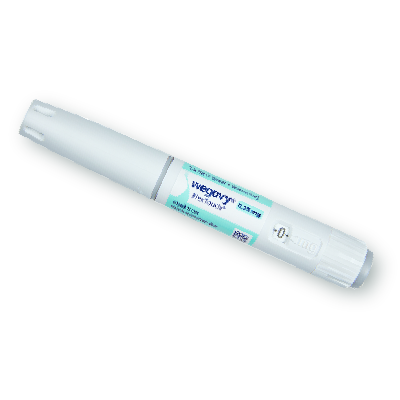
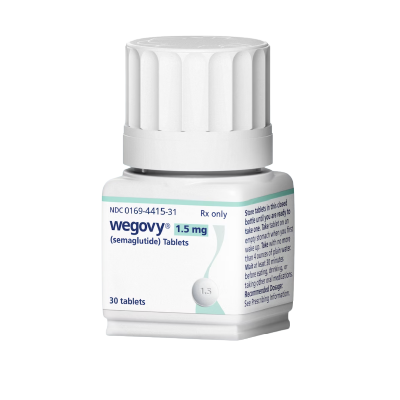
Is Wegovy worth the cost? A realistic look at price, results and value in the UK
Quick answer: is Wegovy worth the cost?
If you’re weighing up whether Wegovy is worth the monthly cost, the honest answer is: it depends. For the right patient, the clinical evidence is strong, the results are meaningful, and the value goes beyond the medication itself. For others, the recurring spend may not be the right fit right now.
Rather than giving a single yes or no, this article breaks the decision into three practical questions: what does Wegovy actually cost per month in the UK, what results does the evidence support, and what else is included in that spend beyond the injection pen?
Key takeaways
- Wegovy can be worth the cost for eligible patients who are committed to a longer course of treatment and want clinically supported weight management, not just a prescription
- The monthly price varies by dose and provider, so the headline figure alone doesn’t tell the full story
- Clinical trials show meaningful weight loss at the maintenance dose, but results build over time and the first month is not the best measure of value
How much does Wegovy cost per month in the UK?
Wegovy’s monthly cost is not a fixed figure. It changes depending on which dose you’re on, and your dose may increase over time as part of the standard escalation schedule. Once you reach a maintenance weight, this could also stabilise at a higher dose.
Treatment starts at 0.25mg and steps up gradually, with 2.4mg being the recommended maintenance dose for most patients. For those who tolerate this well and need additional weight reduction, a maximum dose of 7.2mg is available from week 21 onwards. Each patient’s journey is individual. Because each dose is priced separately, the monthly spend rises as you progress through treatment. Starter doses cost less; maintenance doses can cost more. This is important to understand before comparing prices, because a low headline figure often reflects the starting dose rather than the ongoing monthly cost.
The dose escalation schedule matters for budgeting. Patients who plan only for the starter price and are then surprised by higher maintenance costs are more likely to stop treatment before reaching the dose where results are strongest.
What’s included in the price at Phlo Clinic?
At Phlo Clinic, the price of each Wegovy pen covers more than the medication itself. With every order, patients have access to:
- A full GLP-1 Nutrition Guide written by our Obesity Specialist Dietitian
- A 7-day meal plan to support healthy habits from the start
- Phlo Nourish, a 16-week programme focused on building sustainable, healthy habits around nutrition & lifestyle
- Access to our Patient Care Team 7 days a week
- Advice emails with ongoing nutrition and lifestyle support
- Free UK-wide tracked delivery on every order
Prescribing pharmacist review is included at every stage, meaning your treatment is assessed for clinical suitability before each order is approved, not just at sign-up.
Is Wegovy expensive, and is the price going up?
Compared with most monthly prescription costs, yes, Wegovy is expensive. It is a specialist private weight management treatment that requires ongoing prescribing oversight, clinical eligibility assessment, and regular review. That context explains the price level, even if it doesn’t make it easier to budget for.
The question of whether prices are going up is worth unpacking carefully, because the answer is often more nuanced than it first appears.
Myth vs reality on Wegovy pricing
The real pricing risk is not a sudden across-the-board increase. It’s underestimating the monthly cost at the maintenance dose and stopping treatment before the evidence-backed results are achievable.
What results are you paying for?
This is the most important question in the cost-value conversation, and it’s the one most price-comparison pages skip entirely.
The clinical evidence for semaglutide 2.4mg is substantial. In the STEP 1 trial, participants taking semaglutide 2.4mg lost a mean of 14.9% of their bodyweight at 68 weeks, compared with 2.4% in the placebo group. That’s a clinically meaningful difference, not a marginal one.
What the evidence shows
- STEP 1 trial: mean weight loss of 14.9% at 68 weeks with semaglutide 2.4mg, versus 2.4% with placebo
- STEP 4 withdrawal trial (JAMA): patients who continued treatment reached an estimated 17.4% total reduction. Patients who switched to placebo regained weight
- Real-world data (PMC): mean weight loss of 17.6% at 12 months and over 20% at 18 to 24 months in a support-programme cohort
What realistic expectations look like month by month
- Month one (0.25mg): This is an adjustment phase, not a weight-loss phase. Most patients experience modest changes of around 0.5 to 2kg. Judging value at this stage is not meaningful
- Months two to five (dose escalation): Weight loss typically becomes more noticeable as the dose increases toward the 2.4mg maintenance dose
- Month six (2.4mg): For some, this could be a maintenance dose if progress is steady. Others may choose to stay on this dose for longer before increasing to the maximum dose.
- Month six onwards (7.2mg maintenance): This is where the strongest evidence sits. Continued treatment at the maintenance dose is associated with the largest and most sustained weight reduction. Though some patients choose to titrate down while continuing to adopt healthy behaviours to maintain their new weight.
- If treatment stops: The STEP 4 data is clear. Patients who stopped semaglutide regained a significant proportion of the weight lost if patients do not incorporate the recommended nutrition & lifestyle guidance whilst on GLP-1's. Continued treatment is part of the value equation and can be prescribed for ongoing weight management over 2 years. This is subject to eligibility criteria and clinical assessment.
The cost-value calculation looks very different at month one versus month twelve. Evaluating whether Wegovy is worth it based on early results alone is one of the most common reasons patients underestimate its value.
When Wegovy may be worth it, and when it may not be
Wegovy is not the right choice for every patient, and a credible assessment of value has to acknowledge that. The table below sets out the conditions under which the cost is most and least likely to be justified.
The support layer is part of the value
Treatment programmes that include structured support alongside the medication tend to produce better outcomes than medication alone. Real-world data from patients enrolled in a digital support programme alongside semaglutide 2.4mg showed mean weight loss of over 20% at 18 to 24 months, which is higher than the STEP 1 trial figures for medication alone.
If the support included with your treatment improves your results and helps you stay on track, the effective cost per kilogram lost is lower than a bare-medication comparison would suggest.
What to check before you compare Wegovy prices
Before deciding whether Wegovy is worth the cost, make sure you’re comparing like for like. The headline monthly price is only part of the picture.
When evaluating any private Wegovy service, check:
- Which dose is quoted — starter prices are not the same as maintenance prices
- Whether prescribing review is included at every order, not just at sign-up
- What support is included — nutrition guidance, lifestyle programmes, and access to a clinical team add real value
- Whether delivery is free or charged on top of the listed price
- What happens if you have questions or side effects — is there a clinical team available, and how do you reach them?
The cheapest monthly price is not always the best value. A service that includes clinical oversight, structured support, and free delivery may cost the same or less overall than one that charges for each element separately.
Ready to check your eligibility for Wegovy?
If you think Wegovy could be the right option, the next step is a short online consultation to assess whether it’s clinically suitable for you. Check your eligibility for Wegovy at Phlo Clinic and get a prescribing pharmacist review with your first order.
.png)