
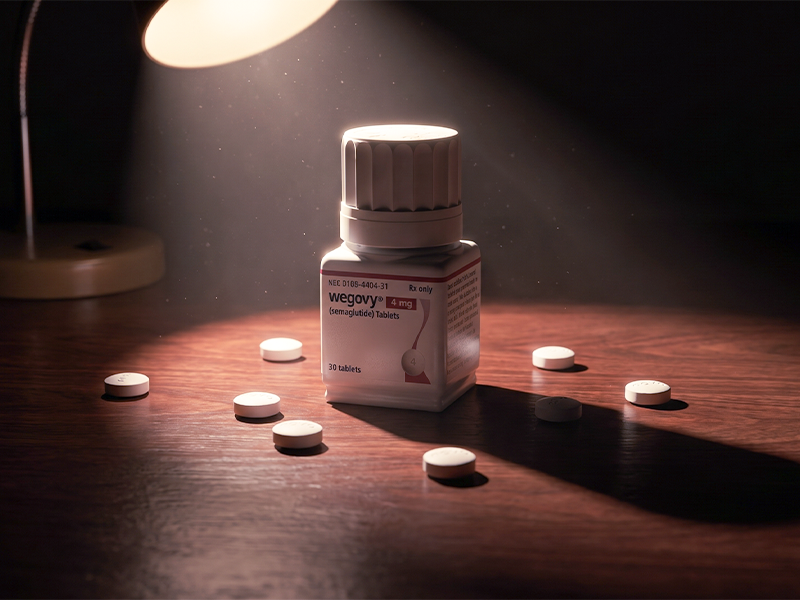
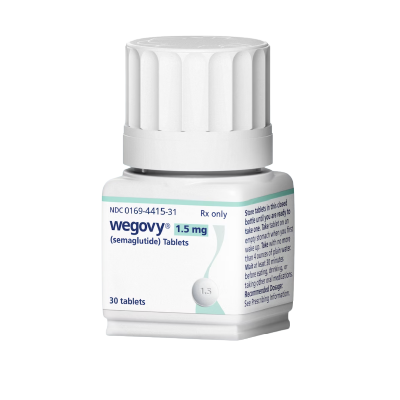
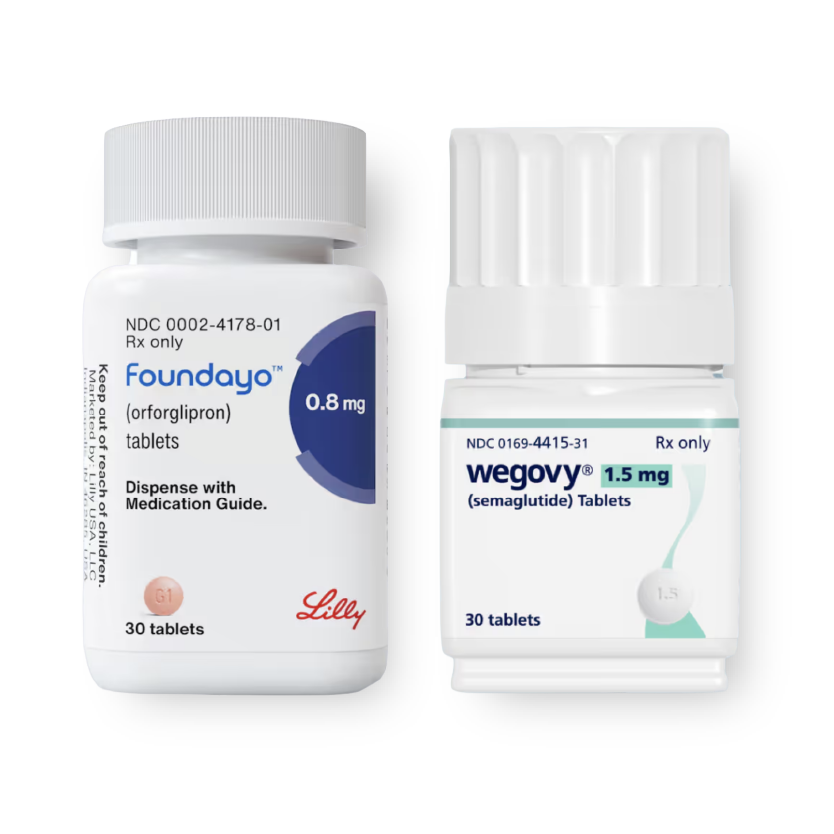
The MHRA approved oral semaglutide, sold as Wegovy, in June 2026 as the first oral GLP-1 medicine licensed for weight management in the UK — a once-daily tablet rather than the weekly injection some patients have avoided treatment because of. As with all GLP-1 treatments, whether it's an appropriate option depends on an individual consultation with a prescriber, who will assess suitability against the licensed criteria. However, this launch also creates an opening for counterfeiters.
Whenever a treatment launches with high demand and limited supply, fake and misleading sellers follow. Weight loss medication has already been a target for years with the injectable versions, and a tablet is easier to fake, easier to post, and easier to sell through channels that have no clinical oversight at all.
This guide covers how to verify a seller, what the warning signs look like, and exactly what to do if you think you've bought something that isn't genuine.
Where GLP-1 tablets currently stand in the UK
Understanding what has been approved and is legal, and what isn't, is the foundation of spotting anything misleading.
- Wegovy tablets (oral semaglutide) were approved by the MHRA on 11 June 2026 and became available via private prescription in early July 2026 through digital pharmacies such as Phlo Clinic. The UK was the first country in Europe to approve them.
- They are prescription-only. They cannot legally be sold without a clinical assessment by a registered prescriber.
- They are not currently available on the NHS, and are unlikely to be before at least 2028, as NHS access requires a separate NICE cost-effectiveness review and commissioning decision.
- Orforglipron, a different oral GLP-1 treatment from another manufacturer, is expected to follow but has not received MHRA approval. Until it does, no provider can legally dispense it.
Note: a product can contain genuine semaglutide and still be unsafe to buy. What matters is whether it's licensed for use in the UK, licensed for weight loss specifically, and supplied by a registered pharmacy against a prescription. A tablet that fails any one of those three tests shouldn't be bought, even if the ingredient inside is real.
Why fake or misleading GLP-1 tablet sellers are likely to increase
There are a few reasons why counterfeit and misleading sellers are likely to become more common over the next few months.
The first is that demand is high and supply is new. Private launch in digital pharmacies means limited initial availability, and you may see long waits at some providers. That gap is exactly where unregulated sellers position themselves. The demand for needle-free options makes the tablets an obvious target for counterfeiters and misleading sellers with a marketing strapline essentially saying ‘we have it.’
The second is confusion caused by the launch in the US and other international news. Approval of the medication happens country by country, so a launch announcement in the US can lead UK patients to assume the same treatment is legitimately available here. That gap between approval elsewhere and availability here is exactly what scammers exploit.
Thirdly, the tablets aren't expected to be available on the NHS anytime soon, which means everyone who is eligible and wants to start treatment has to go down the private prescription route. Price sensitivity is high, and heavily discounted counterfeits look attractive to patients who can't afford regulated pricing. If the price looks too good to be true, it probably is.
Overall, the reality is that sellers advertising "semaglutide tablets" or "Wegovy tablets" will appear on marketplaces, social media, and standalone websites. Some will be genuine, but many will not.
How to check whether a GLP-1 provider is legitimate
To make sure you're not being scammed, work through these four checks before you pay, not after the package arrives.
1. Check the pharmacy is GPhC-registered
Every legitimate UK online pharmacy is registered with the General Pharmaceutical Council (GPhC), and you can search the register yourself in under a minute. If a seller or provider isn't on it, stop there. Registration details should also be displayed clearly on the website of the provider. A registration number that doesn't match the register is a serious warning sign.
You can view Phlo Clinic's GPhC registration on the pharmacy regulation register.
2. Confirm a clinical consultation is required
A legitimate provider will assess your suitability before issuing a prescription. That means a medical questionnaire reviewed by a prescriber, questions about your BMI, medical history, and current medications, not just a checkout page.
If you can add the product to a basket and pay without any clinical assessment at all, it is not being supplied legally.
3. Check the price is realistic
Genuine Wegovy tablets are not sold at heavily discounted prices. The medication itself has a set cost from the manufacturer to the pharmacy, and legitimate providers can't undercut that meaningfully. A price dramatically below the rest of the market is one of the most reliable indicators that a product isn't genuine.
4. Check the packaging and paperwork on arrival
When your treatment arrives, it should include a patient information leaflet, clear dosage instructions, intact and professional packaging, and UK contact details for the supplying pharmacy. Spelling errors, missing leaflets, unfamiliar packaging formats, or foreign-language labelling with no UK information are all reasons to stop and check before taking anything.
Red flags that suggest the product is fake, unlicensed, or misleading, or that the seller isn't genuine
Treat any of the following as a reason to walk away:
- "No prescription needed": GLP-1 medicines are prescription-only in the UK. There is no legal exception.
- Sales through social media, direct messages, or influencer links: legitimate medication is not sold this way, and it is against ASA guidelines to sell a prescription-only medication like this.
- Marketplace and auction site listings: general marketplaces are not permitted to sell prescription medicines.
- "Imported stock" or "research use only": both are phrases used to sidestep the fact that a product isn't authorised for UK patient supply.
- Vague product descriptions: listings that say "semaglutide tablets" without naming the licensed product, dose, or manufacturer.
- Blurred indications: descriptions that shift between diabetes and weight loss to obscure what the product is actually licensed for.
- Pressure tactics: countdown timers, "last remaining stock," or urgency messaging on a prescription medicine.
What to do if you think you've bought a counterfeit
If you've already taken or received something you're unsure about, take these steps.
- Stop taking it immediately. Don't finish the pack to "see if it works."
- Keep everything. Retain the packaging, any remaining tablets, and your order confirmation. This helps healthcare professionals identify what you may have actually taken.
- Get medical advice if you have symptoms. Contact your GP or call NHS 111. Counterfeit products can contain unknown ingredients, incorrect doses, or no active ingredient at all, and unknown ingredients carry a real risk of interacting with other medications you take.
- Confirm the product and seller or provider on an official UK register such as the GPhC.
- Report it. If you suspect a counterfeit or falsified medicine, you can report it to the MHRA through the Yellow Card scheme. Reporting helps regulators track and remove fake products from circulation, and it's quick to do.
If you're simply unsure about something you've bought and have no symptoms, you can still speak to a registered pharmacist for advice before continuing.
How Phlo Clinic supports safe access to prescription weight loss treatment
As a fully regulated GPhC-registered digital pharmacy, every consultation is reviewed by one of our UK-qualified prescribing pharmacists who assess every patient individually — we do not do automatic approvals. This is to ensure treatment is safe, appropriate, and clinically suitable before prescribing.
Every order review at Phlo Clinic covers your medical history, current medications, and clinical suitability. This is not just done at sign-up, but at every subsequent order. All treatment is also dispensed with full patient information and UK support.
If you'd like to understand more about the treatment itself before deciding, our guides on how to take Wegovy tablets and Wegovy tablet dosage cover the practical detail.
References
- Medicines and Healthcare products Regulatory Agency (MHRA). GLP-1 medicines for weight loss and diabetes: what you need to know.
- MHRA. Yellow Card scheme: reporting suspected fake or defective medicines.
- General Pharmaceutical Council. Registers, check a pharmacy.
- Novo Nordisk. Wegovy pill (semaglutide tablets) UK approval announcement, June 2026.
.png)