

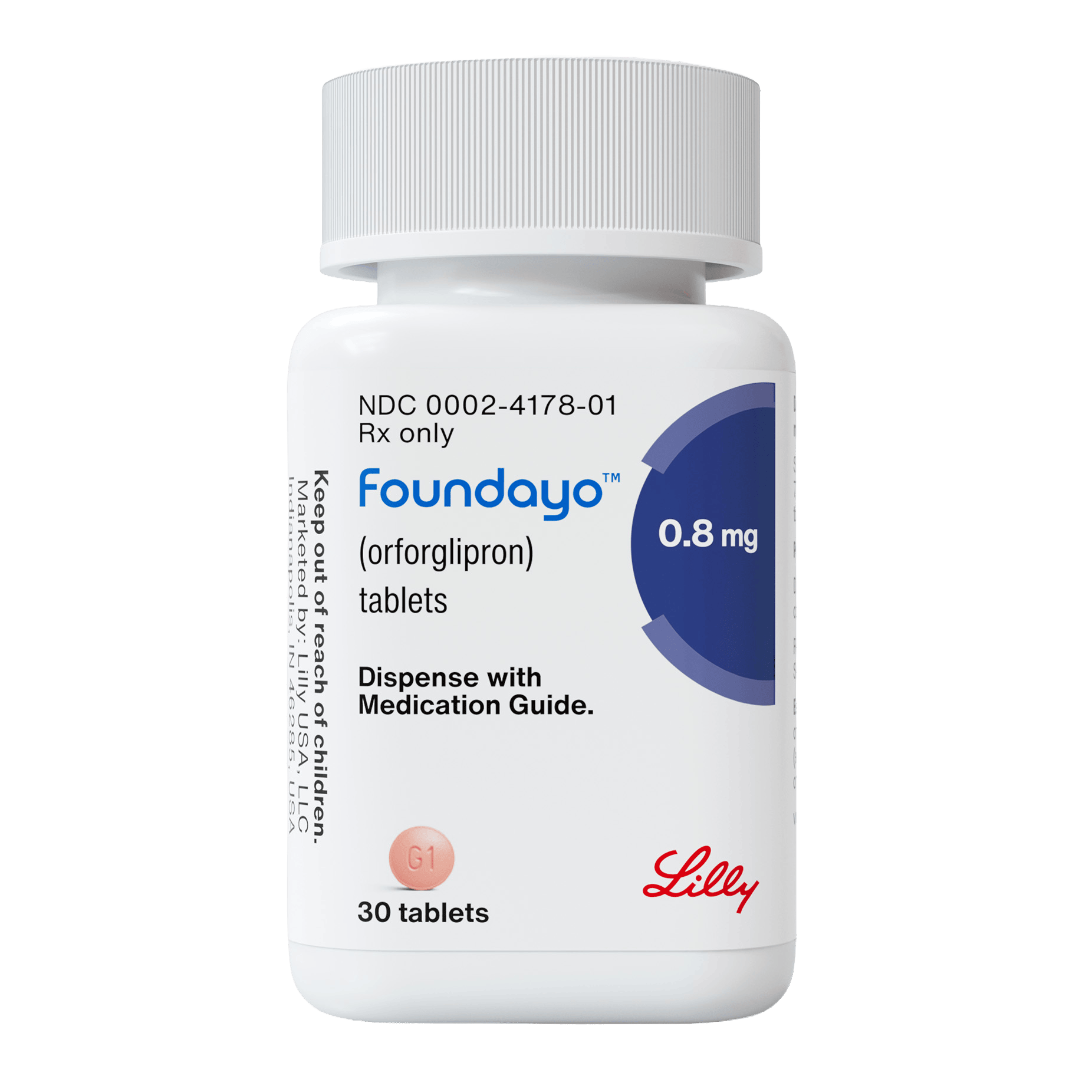
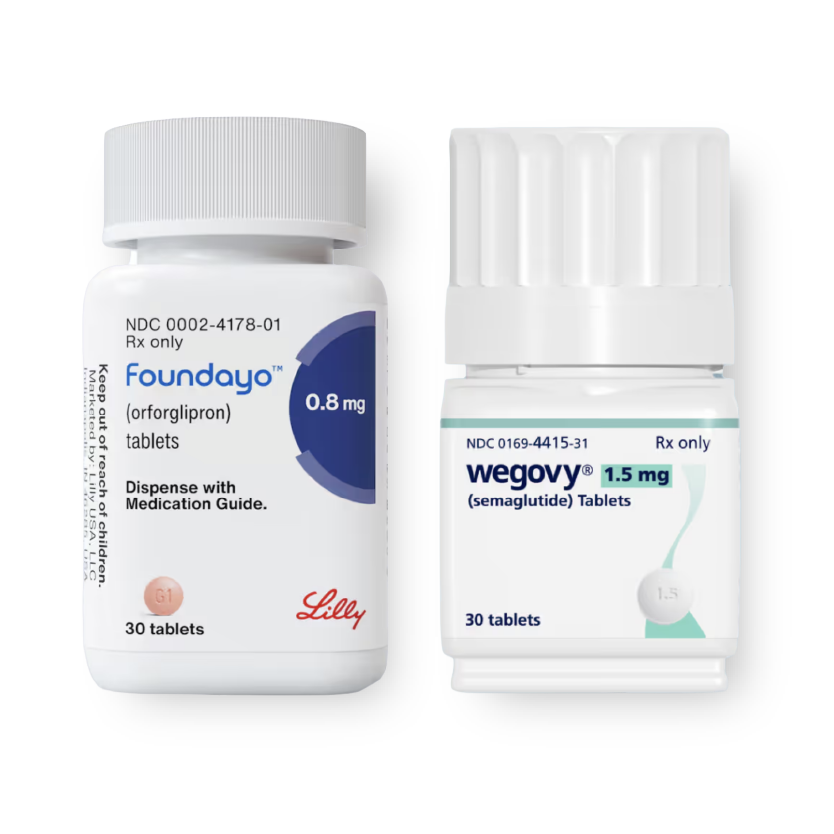
Orforglipron (Foundayo) is a GLP-1 medication used for weight management. It's currently under review by the MHRA and is expected to become available in the UK once that review concludes. As with any medication, it can come with side effects, though most of them are mild and are only temporary.
This guide covers what was reported in the clinical trials, what to expect when starting treatment, how to manage the common symptoms, and the rarer risks worth knowing about.
Important: orforglipron is not yet licensed in the UK. It is currently under MHRA review and cannot be legally prescribed or dispensed here until that concludes. The information below is based on evidence published so far.
What the trials have indicated about side effects from orforglipron
Orforglipron was generally well tolerated in the clinical trials, with a safety profile broadly in line with other GLP-1 medicines such as semaglutide (Wegovy tablets) and tirzepatide (Mounjaro).
The most common side effects were gastrointestinal, including nausea, diarrhoea, vomiting, constipation, and indigestion. The majority were mild to moderate and most likely came on when starting treatment or during a dose increase. These side effects also tended to settle over time.
In the ATTAIN-1 trial, discontinuation due to adverse events occurred in 5.3–10.3% of patients on orforglipron, depending on dose, compared with 2.7% on placebo, consistent with the discontinuation rates seen with other GLP-1 treatments. Serious adverse side effects were relatively uncommon but due to the nature of these side effects, they would require careful monitoring from an appropriate, qualified healthcare professional.
Common side effects of orforglipron
Gastrointestinal side effects
The five most commonly reported side effects across trials were:
- Nausea (the most frequently reported, particularly in the early weeks and after each dose increase)
- Diarrhoea (typically mild to moderate in severity)
- Vomiting
- Constipation
- Indigestion
These are all consequences of how the medicine works. GLP-1 slows the rate at which your stomach empties, which is part of what helps you feel full for longer, but it also means your digestive system needs time to adapt.
How common side effects relate to dosing
Side effects are most noticeable during titration, the gradual step-up from the starting dose to your maintenance dose. Each step lasts at least 30 days, and that interval exists precisely to give your body time to adjust before the next increase.
This is also why the starting dose is deliberately low. It's there to let your system adapt with the least disruption and to minimise the intensity of gastrointestinal side effects.
If symptoms at a particular dose are difficult to manage, tell your prescriber. They may recommend holding your current dose for longer before increasing, rather than moving up. That's a normal adjustment, not a setback.
Managing common side effects
- Eat smaller, more frequent meals to reduce nausea and stomach discomfort
- Avoid rich, fatty, heavily spiced or very large meals that may worsen gastrointestinal symptoms
- Stay well hydrated, particularly if you have vomiting or diarrhoea, to reduce the risk of dehydration and kidney strain
- Increase your dose gradually, as directed by your prescriber, and don't adjust it without consulting them first
- Keep a symptom diary noting what you experience and when, so you can discuss patterns at your review
Do not stop taking orforglipron or change your dose without speaking to your prescriber first, even if side effects are uncomfortable.
Serious and severe side effects of orforglipron to watch out for
These are uncommon, but worth recognising.
Pancreatitis
Inflammation of the pancreas is a serious risk and has been associated with GLP-1 medicines as a group. The warning signs to watch for are severe, persistent abdominal pain, often radiating through to the back, usually with nausea and vomiting.
Orforglipron is not recommended for anyone with a history of pancreatitis, and immediate medical attention is required if pancreatitis symptoms develop.
Gallbladder problems
Gallbladder disease, including gallstones (cholelithiasis), has been associated with GLP-1 receptor agonist use. Rapid weight loss of any kind does increase the risk of developing gallstones, but this is partly a consequence of treatment working rather than a direct effect of the medication. Symptoms include sudden severe pain in the upper right abdomen, sometimes with nausea or fever.
Orforglipron is not recommended for anyone with a history of gallbladder disease, and patients should report any persistent abdominal pain to their healthcare provider promptly.
Kidney problems (including dehydration)
Persistent vomiting or diarrhoea can lead to dehydration, which puts strain on the kidneys. This is the most common route by which an otherwise manageable side effect becomes serious. Dehydration can worsen existing kidney conditions, and cases of acute kidney injury have been reported with GLP-1 use in the context of severe dehydration.
Staying well hydrated matters, and anyone with an existing kidney condition needs closer monitoring. It is recommended to drink 2–3L of fluids per day* when on GLP-1 medications for adequate hydration and to minimise side effects.
*unless your GP or clinical team has advised a fluid restriction, for example due to heart failure or kidney disease.
Thyroid concerns
The US prescribing information for orforglipron carries a boxed warning (as do all other GLP-1s) about a potential risk of thyroid tumours. This is a precaution based on findings with other GLP-1 medicines in animal studies rather than with orforglipron itself. Orforglipron did not cause tumours in rodent studies, and the relevance of the animal findings to people is not known.
As a precaution, orforglipron must not be used by anyone with a personal or family history of medullary thyroid carcinoma (MTC) or Multiple Endocrine Neoplasia syndrome type 2 (MEN 2). Tell your prescriber if you notice a lump in the neck, hoarseness, difficulty swallowing, or shortness of breath.
Hypoglycaemia (low blood sugar)
Orforglipron on its own carries a low risk of hypoglycaemia. That risk increases if it's taken alongside some diabetes medications such as insulin or a sulfonylurea. Symptoms include shakiness, sweating, dizziness, confusion and a rapid heartbeat. If you take either of those medicines, your prescriber will factor this in and may adjust your doses. Blood sugar monitoring is particularly important for patients with type 2 diabetes using orforglipron in combination.
When to seek immediate medical help
Some symptoms need same-day attention rather than a routine appointment. Seek emergency care if you experience:
- Signs of a serious allergic reaction: swelling of the face, lips, tongue or throat, difficulty breathing, or a severe rash
- Severe, persistent abdominal pain, particularly if it radiates to your back — this may indicate pancreatitis or a gallbladder problem and requires urgent medical assessment
- Signs of severe dehydration: dizziness, passing much less urine than usual, or extreme thirst all warrant prompt medical attention
Symptoms of a thyroid problem (a lump in the neck, hoarseness, difficulty swallowing or shortness of breath) should be assessed by a doctor without delay, though these do not usually require emergency care.
When to contact your prescriber or get help
Urgent help isn't needed, but do get in touch if:
- Nausea, vomiting or diarrhoea persists beyond the first few weeks or after a dose increase settles
- You have symptoms of low blood sugar and take other diabetes medication
- Side effects are affecting your daily life or making you consider stopping
- Anything new or worsening develops that you're unsure about
Regular reviews are part of treatment at Phlo Clinic. They're the point at which most tolerability problems get solved. Most people who experience side effects on a GLP-1 medicine find they settle with time, a slower dose increase, or small adjustments to how they eat. The important thing is telling someone, rather than stopping treatment on your own.
References
- Eli Lilly. ATTAIN phase 3 clinical trial programme.
- Eli Lilly. Orforglipron prescribing information (US).
- Medicines and Healthcare products Regulatory Agency (MHRA).
- Nutritional considerations with antiobesity medications.
.png)
