

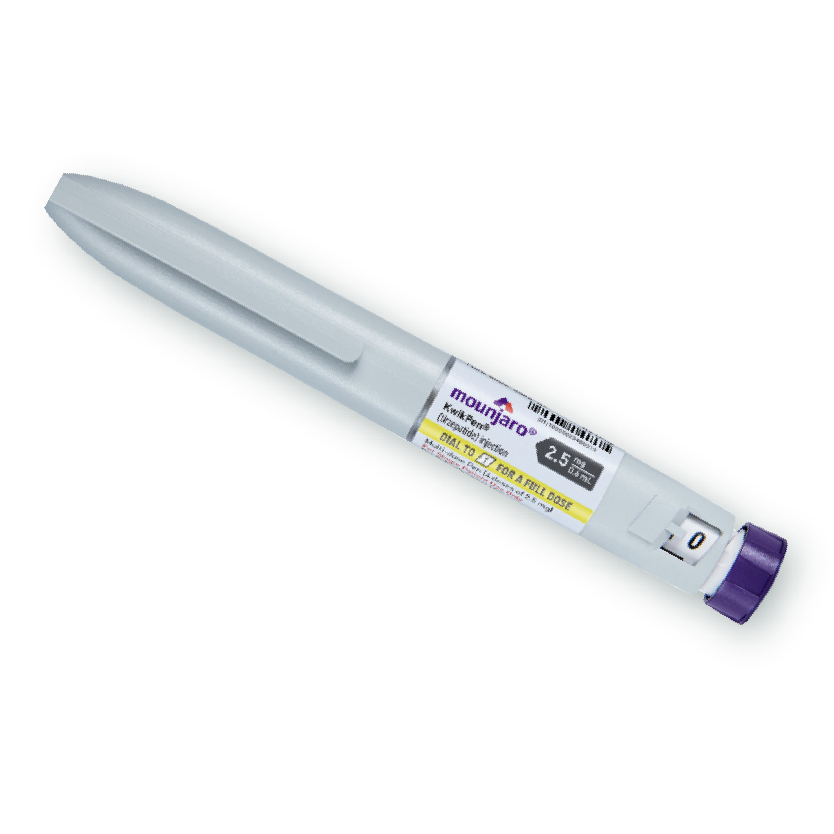
Mounjaro (tirzepatide) is highly effective at helping people lose weight. Many patients see significant results during treatment, often experiencing reduced hunger and steady weight loss over time. However, after stopping the medication, it is common to notice some changes in weight. This is a normal physiological response, not a failure or loss of willpower.
Why is weight gain common after Mounjaro?
Several factors contribute to changes in weight after treatment. These typically reflect normal biology combined with lifestyle influences.
Biological factors
Mounjaro (tirzepatide) works by activating receptors for hormones involved in appetite and fullness regulation (including GLP-1 and GIP). During treatment, these signals help reduce appetite, slow stomach emptying, and improve feelings of satiety (fullness) after meals. When treatment ends, the body gradually returns toward its previous hormonal balance. As this happens, appetite often increases, and feelings of fullness may not last as long after eating.
Metabolic rate may also decrease slightly after weight loss. This is an expected physiological adaptation sometimes referred to as adaptive thermogenesis. When body weight falls, the body requires fewer calories to maintain basic functions such as breathing, circulation, and temperature regulation. In some people, the body may also become somewhat more energy-efficient, meaning it burns slightly fewer calories than predicted for the new body weight.
Importantly, this does not mean you should eat as little as possible. Adequate nutrition, particularly sufficient protein, fibre, and overall energy intake, remains essential for maintaining muscle mass, supporting metabolic health, and sustaining weight management long term. Instead of restriction, the goal after treatment is to build balanced, sustainable eating and activity habits that match your body’s current needs. Recognising this normal response can help you take proactive, supportive steps (Rosenbaum & Leibel, 2010).
Behavioural and lifestyle factors
While biology strongly influences appetite after stopping treatment, daily habits continue to matter. Eating patterns, food choices, alcohol intake, sleep quality, stress levels, and physical activity all contribute to overall energy balance.
Developing supportive routines while on treatment can significantly reduce the extent of weight change later. For example, learning to build balanced meals, recognising hunger and fullness cues, and planning ahead for busy or social situations can make the transition off medication smoother.
Motivation and mindset also influence progress. Many people benefit from structured strategies for managing increased hunger, emotional eating triggers, poor sleep, or periods of high stress. Rather than aiming for perfection, consistency with small, repeatable habits tends to produce more sustainable results over time.
What the evidence from clinical trials says about weight gain after Mounjaro
The SURMOUNT-4 trial provides helpful insight into what can happen after stopping tirzepatide (Mounjaro). In this study, adults first lost weight while taking the medication and were then observed after discontinuation.
Key findings included:
- Most participants regained some of the weight they had previously lost within a year, even with ongoing lifestyle support.
- Those who regained more weight generally saw a greater reversal in improvements in waist circumference and blood pressure compared with those who maintained more of their weight loss.
- A smaller proportion of participants were able to maintain most of their weight loss after stopping treatment.
These findings demonstrate that weight regain is common and largely reflects underlying biology interacting with real-world habits and environments. Importantly, the results also suggest that outcomes vary between individuals. Some people maintain much of their progress, particularly when supportive routines are in place.
The evidence highlights a key message: weight management is a long-term process. Medication can be a powerful tool, but sustainable habits and, where appropriate, maintenance therapy may play an important role in supporting long-term success (Aronne et al., 2024).
How to keep weight off after stopping Mounjaro
The following practical strategies are designed to help maintain progress after stopping Mounjaro.
Eating and drinking
Using structured meal guidance can help manage appetite as it returns.
Use the Phlo Clinic T Plate to structure meals:
- ¼ of the plate as lean protein, ¼ of the plate as complex carbohydrates and ½ of the plate as salad, non-starchy vegetables or fruit with a small amount of healthy fats.
- This visual approach helps manage portion sizes without the need for detailed calorie counting, which many people find difficult to sustain long term.
.png)
Include protein and fibre at each meal to support fullness. Protein slows digestion and helps preserve lean muscle mass during and after weight loss. Fibre from vegetables, fruits, beans, and whole grains adds volume to meals and helps you feel satisfied for longer.
Keeping a food and drink diary for a week can be helpful, particularly during the transition period. This often reveals patterns such as evening snacking, portion creep, or increased intake during stressful periods.
Plan strategies for higher-risk situations such as social events, holidays, or very busy workdays. Simple steps like eating a protein-rich snack before events or pre-planning balanced meals can reduce impulsive choices.
Prioritise water and unsweetened drinks, and moderate alcohol and caffeine intake. Liquid calories are easy to overlook but can meaningfully affect energy balance over time.
Physical activity
Regular movement supports physical, metabolic and mental health. Aim for around 30 minutes of brisk walking five days per week if able. This level of moderate activity supports cardiovascular health, helps regulate appetite, and contributes to overall energy expenditure (Bull et al., 2020).
Include two to three strength-training sessions weekly using bodyweight exercises, resistance bands, or weights. Strength training is particularly important because it helps preserve muscle mass. Muscle tissue is metabolically active, so maintaining it can support resting energy expenditure over time.
Where possible, choose activities you genuinely enjoy. People are far more likely to maintain routines that feel rewarding rather than punitive.
Preparing for the transition
Planning ahead can make a meaningful difference.
Ideally, begin habit adjustments from the start of your journey, or at least 2–4 weeks before the final dose. This allows time to practice managing slightly increased hunger while medication effects are still present.
Gradually increase portions of vegetables and protein as appetite returns. These foods provide volume and satiety with relatively fewer calories.
Consider incorporating structured snacks or short activity breaks to manage periods of increased hunger. Many people find that planned, protein-rich snacks prevent unplanned grazing later in the day.
Maintenance therapy
For some patients, low-dose maintenance therapy under clinical supervision may support appetite control and help maintain long-term weight management. This approach is individual and depends on medical history, goals, and response to treatment. Discuss your options with Phlo Clinic to determine what is appropriate.
How to reach out to our team about weight regain after Mounjaro
Maintaining weight after Mounjaro can be challenging, but structured support makes a meaningful difference. Phlo Clinic provides personalised guidance, practical behavioural strategies, and clinical oversight tailored to each patient’s needs and goals.
If you are concerned about weight changes or planning for life after Mounjaro, the Phlo Clinic team can provide support for continued progress.
References
Aronne, L. J., Sattar, N., Horn, D. B., Bays, H. E., Wharton, S., Lin, W. Y., Ahmad, N. N., Zhang, S., Liao, R., Bunck, M. C., Jouravskaya, I., Murphy, M. A., & SURMOUNT-4 Investigators (2024). Continued Treatment With Tirzepatide for Maintenance of Weight Reduction in Adults With Obesity: The SURMOUNT-4 Randomized Clinical Trial. JAMA, 331(1), 38–48. https://doi.org/10.1001/jama.2023.24945
Bull, F. C., Al-Ansari, S. S., Biddle, S., Borodulin, K., Buman, M. P., Cardon, G., Carty, C., Chaput, J. P., Chastin, S., Chou, R., Dempsey, P. C., DiPietro, L., Ekelund, U., Firth, J., Friedenreich, C. M., Garcia, L., Gichu, M., Jago, R., Katzmarzyk, P. T., Lambert, E., … Willumsen, J. F. (2020). World Health Organization 2020 guidelines on physical activity and sedentary behaviour. British journal of sports medicine, 54(24), 1451–1462. https://doi.org/10.1136/bjsports-2020-102955
Rosenbaum, M., & Leibel, R. L. (2010). Adaptive thermogenesis in humans. International journal of obesity (2005), 34 Suppl 1(0 1), S47–S55. https://doi.org/10.1038/ijo.2010.184