

GLP-1 tablets are finally here. After years of weight loss injections being the only option, two oral treatments are now licensed in the UK, and for anyone who has been put off weight loss medication because of needles, this is good news.
However, it also creates a problem. Whenever a treatment is in high demand and supply can be tight, unregulated sellers move in. The MHRA has repeatedly warned about counterfeit GLP-1 products, some of which have been found to contain the wrong drug entirely.
Buying safely isn't complicated, but it does mean knowing what a legitimate service looks like. This guide covers exactly that.
The short version: GLP-1 medicines are prescription-only in the UK. Obtain them only from a pharmacy registered with the General Pharmaceutical Council (GPhC), after a proper clinical assessment. Anything else is illegal, and potentially unsafe.
Which GLP-1 tablets are actually licensed in the UK?
This is where most confusion starts, so it's worth being precise.
| Product | UK status | Notes |
|---|---|---|
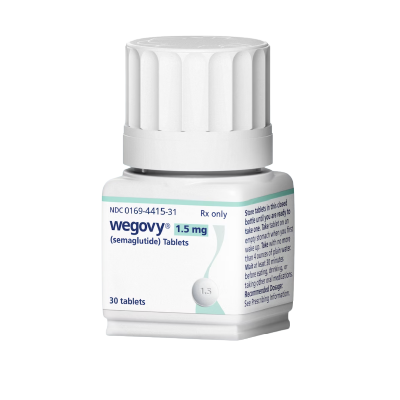
| Wegovy tablets (oral semaglutide) | Approved 11 June 2026 | The UK was the first country in Europe to license them. Became available in July 2026. |
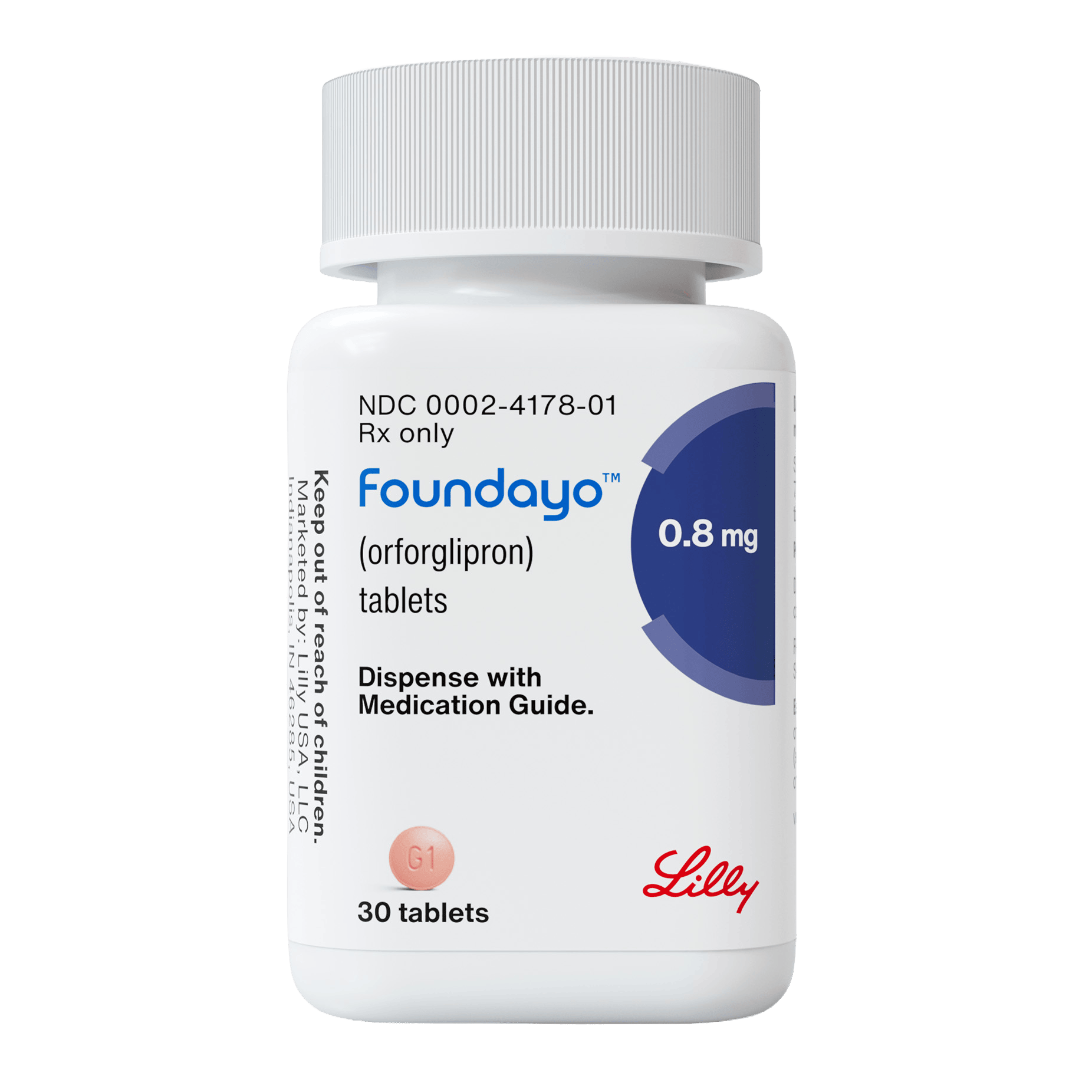
| Foundayo (orforglipron) | Approved 10 August 2026 | A different molecule from semaglutide. Unlike the Wegovy tablet, it has no food or timing restrictions. |
| Mounjaro tablet | Does not exist | Tirzepatide is only licensed as a weekly injection. Orforglipron is sometimes called "the Mounjaro pill" because both come from Eli Lilly, but they're different medicines. |
| Retatrutide | Not licensed | An injectable GLP-1, not yet licensed for use in the UK. |
That last point matters for spotting fakes. If a website is advertising "Mounjaro tablets," it isn't selling a licensed UK product, no matter what the packaging looks like.
How to check a seller is legitimate
There are four checks you can do, all before you pay, to make sure you're buying a safe and legitimate medication.
- Look up the GPhC registration. Every legal UK online pharmacy will display its registration number on its website. You can usually click through to verify it, or check it yourself on the GPhC register in under a minute. No number, or a number that doesn't match, means walk away.
- Check there's a clinical assessment from an appropriately qualified healthcare professional. You should be asked to complete a detailed health questionnaire, and a prescribing pharmacist or doctor should review it before anything is dispensed. If you can add a product to a basket and check out with no health questions at all, that isn't a legal supply. It is illegal if your questionnaire is being reviewed by an aesthetician, beautician, personal trainer or even a dietitian.
- Check when payment is taken. A legitimate service charges you after your order has been clinically approved, not before or immediately at checkout. These medicines are prescription-only, so they can only be purchased after a proper clinical assessment. You'll be asked for bank details to pay for the treatment, but the money stays on hold, or "pending", until a prescriber approves it.
- Check you can reach and speak to a real person. A provider of GLP-1 medication in the UK should have a clear UK address stated on their website, and there should be a way to speak to a clinician if something isn't right or you need to query something.
Red flags to walk away from
- "No prescription needed." GLP-1 medicines are prescription-only. There is no exception.
- Sold through social media, DMs or beauty salons. Legitimate medication isn't sold this way. Being messaged privately to buy this medication is not legal, and beauticians cannot prescribe it.
- Prices well below the rest of the market. Genuine medication has a set cost from the manufacturer, and no registered pharmacy can undercut it meaningfully. If it seems too good to be true, it's most likely not the real thing.
- The medication supplied as a powder, or in vials that need mixing. The MHRA is explicit about this: legal, authorised GLP-1 medicines come as pre-filled pens or tablets. Powders or vials are not authorised and carry serious risk.
- Miracle claims or countdown timers. Pressure tactics on a prescription medicine are a warning sign in themselves.
The risk isn't only wasted money. Counterfeit GLP-1 products have been found containing insulin rather than semaglutide, and the MHRA has confirmed hospitalisations from hypoglycaemic shock linked to fake pens.
What a proper process and assessment actually feels like
You complete a medical questionnaire covering your health history, current medications and weight. A qualified prescriber reviews it individually and decides whether treatment is appropriate for you, which sometimes means saying no, or suggesting something different. Only then is payment taken and your treatment dispensed.
At Phlo Clinic, every order is reviewed by one of our prescribing pharmacists before it's dispensed. You're only charged once your order is approved, and treatment arrives by free tracked delivery. No prescription is issued without a clinical assessment first.
What you can buy legitimately right now
Oral options
Wegovy tablets are available on private prescription. They need to be taken on an empty stomach with a small sip of water, followed by a 30-minute wait before eating, drinking or taking other medicines.
Foundayo is newly licensed and also available as a prescription at Phlo Clinic. It's taken once daily with no food or timing rules.
Injectable options
Mounjaro (tirzepatide) and Wegovy (semaglutide) are both weekly injections, well established and available through registered pharmacies. Both have a longer track record than the oral treatments, simply because they've been available for longer.
Non-GLP-1 options
Orlistat works differently, reducing how much fat your body absorbs from food. Lower doses are available from a pharmacy without a prescription.
Which is right for you isn't something to decide from a webpage — it depends on your health history, what you can realistically stick to, and a prescriber's assessment.
If you've already bought from an unregulated seller
- Don't take it. Even if it looks identical to the branded product, there's no way to know what's in it or how it was made.
- Report it through the MHRA's Yellow Card scheme. This is how regulators track and remove dangerous products.
- Get advice if you feel unwell. Contact NHS 111 or your GP, and keep the packaging and any remaining product so they can see what you've taken.
Starting safely
The tablets are here, licensed, and available through legitimate routes. There's no longer any reason to take a risk on an unregulated seller, and given what's been found in counterfeit products, no version of that risk is worth taking.
If you're considering treatment, the first step is a consultation rather than a purchase. Complete a short medical questionnaire, have a prescribing pharmacist review whether it's suitable for you, and go from there. No GP referral, no waiting list.
.png)
