.png)
Everyone wants results. But when the internet is full of promises about losing a stone in a week or dropping two dress sizes in a month, it’s worth pausing to ask: what does fast weight loss actually look like in real life, and is it doing your body more harm than good?
This guide cuts through the noise to give an honest, evidence-based answer.
What does fast weight loss really mean?
“Fast” is a word that gets thrown around a lot in diet culture, and it rarely comes with a useful definition.
From a clinical perspective, a safe and sustainable rate of weight loss is around 0.5 to 1 kg (1–2 lbs) per week. That might not sound dramatic, but over three months that’s up to 12 kg, and far more likely to stay off than weight lost through extreme restriction.
It’s also worth understanding what you’re actually losing when the scales move. Early weight loss is often largely water and glycogen (stored carbohydrate), not fat, which is why crash diets can produce an impressive number in week one, followed by a frustrating plateau.
Muscle loss is one of the biggest concerns with very rapid weight loss. When you lose muscle, your resting metabolic rate can drop, making further weight loss harder and regain more likely. This is one of the main reasons extreme dieting so often backfires.
Creating a calorie deficit: the core of faster weight loss
To lose body fat, you need to be in a calorie deficit, meaning consuming fewer calories than your body burns each day. A deficit of around 500 kcal per day is generally recommended as a safe starting point, producing approximately 0.5 kg of fat loss per week.
Going much beyond this increases the risk of muscle loss and metabolic adaptation. The sweet spot is a moderate, consistent deficit: not so small that nothing happens, not so large that your body starts cannibalising muscle for fuel.
Short-term food tracking, even for two or three weeks, is one of the most effective tools for building awareness of what you’re actually eating. Most people underestimate their intake, particularly from drinks, sauces, and snacks. Apps can make this straightforward and the key is honest, consistent logging, not obsessive. It’s a tool, not a rule.
How to eat well to speed up your weight loss journey
Nutrition is, by far, the most powerful lever for weight loss. You cannot out-exercise a poor diet.
Eating well for weight loss doesn’t mean tiny, boring portions. It means building meals that are satisfying, nutritious, and naturally lower in calories. The T Plate Model is a useful framework: fill half your plate with non-starchy vegetables, a quarter with lean protein, a quarter with complex carbohydrates, and include a small portion of healthy fats.
.png)
Protein is the macronutrient to prioritise. It preserves lean muscle mass during weight loss when combined with strength training, protecting your metabolism, and is the most satiating macronutrient, keeping you fuller for longer. Aim for around 1.2 to 1.6 g per kg of body weight per day, from sources like eggs, chicken, turkey, fish, Greek yoghurt or a soya alternative, legumes, and tofu.
This is a general guide; individual needs vary, particularly for those with conditions such as kidney or liver disease. Always check with your dietitian or clinician before significantly increasing your protein intake.
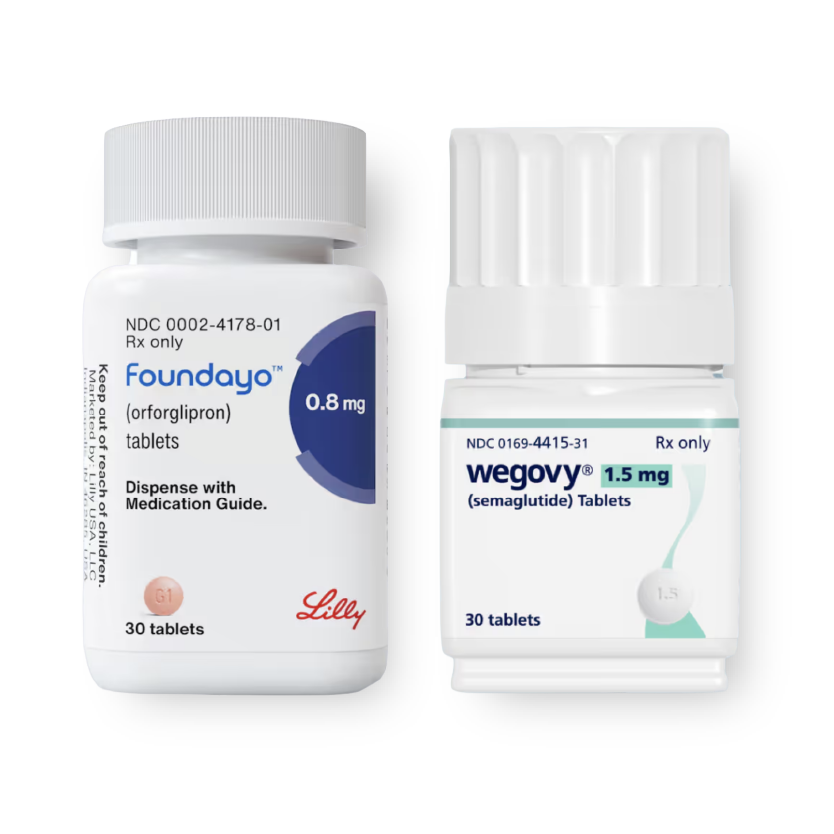
This is especially relevant for those taking GLP-1 medications like Mounjaro or Wegovy, where reduced appetite can make it easy to undereat protein without realising.
Carbohydrates and fats aren’t the enemy, but type and amount matter. Refined carbohydrates and added sugars can spike blood glucose and drive hunger. Swapping these for whole grains, legumes, and fibre-rich options helps stabilise energy and reduce overall intake. Cutting sugar from drinks alone (cordial, juice, fizzy drinks) creates an immediate and meaningful calorie saving.
Healthy fats from avocado, nuts or nut butters, seeds, olive oil, and oily fish support satiety and hormonal function. Portion awareness is key, as they are calorie-dense.
Fibre is one of the most underrated tools in weight management. High-fibre foods increase fullness, slow digestion, and help regulate blood glucose. Fill your plate with leafy greens, broccoli, courgette, and peppers, which are high volume and low calorie. Aim for at least five portions of fruit and vegetables a day.
Staying well hydrated is particularly important when taking GLP-1 medication like Mounjaro or Wegovy. Reduced food intake means less water comes from food, and some people experience nausea or vomiting which can increase the risk of dehydration. Aim for 2–3 litres of fluid a day, and where possible choose water or herbal tea over sugary drinks. It’s also worth being mindful of caffeine intake, as too much can act as a diuretic and contribute to dehydration.
The role of exercise: starting with strength
Diet creates the deficit; exercise deepens it and protects body composition. The two together consistently outperform either approach alone.
Strength training is arguably the most impactful addition for lasting results. It builds and preserves muscle mass, raising your resting metabolic rate so you burn more calories at rest. Two to three sessions per week, focusing on compound movements like squats, rows, and press-ups, is enough to make a meaningful difference, and no gym is required.
Cardio increases energy expenditure and supports heart health, mood, and sleep. Brisk walking for 30–45 minutes most days is consistently underrated: accessible, effective, and sustainable. Running and swimming are excellent if your fitness and joints allow, but the best cardio is the one you’ll actually do.
Building a realistic plan that works
The best weight loss plan is the one you can actually follow.
That means a moderate, sustainable calorie deficit, mostly whole and minimally processed foods, and the freedom to enjoy the occasional treat. Movement you enjoy rather than dread. And realistic milestones of 0.5 to 1 kg per week, rather than numbers that set you up for disappointment.
Gradual, consistent change will always beat extreme measures. Not just for your health, but for the long-term relationship you have with food and your body.
References
- National Institute for Health and Care Excellence (NICE). Overweight and obesity management. NICE guideline NG246. 2025. Available at: https://www.nice.org.uk/guidance/ng246
- Müller, M. J., & Bosy-Westphal, A. (2013). Adaptive thermogenesis with weight loss in humans. Obesity, 21(2), 218–228. Available at: https://doi.org/10.1002/oby.20027
- Leidy, H. J., Clifton, P. M., Astrup, A., Wycherley, T. P., Westerterp-Plantenga, M. S., Luscombe-Marsh, N. D., & Mattes, R. D. (2015). The role of protein in weight loss and maintenance. The American Journal of Clinical Nutrition, 101(6), 1320S–1329S. Available at: https://doi.org/10.3945/ajcn.114.084038
- Donnelly, J. E., Blair, S. N., Jakicic, J. M., Manore, M. M., Rankin, J. W., & Smith, B. K. (2009). American College of Sports Medicine position stand: appropriate physical activity intervention strategies for weight loss and prevention of weight regain for adults. Medicine & Science in Sports & Exercise, 41(2), 459–471. Available at: https://doi.org/10.1249/MSS.0b013e3181949333