
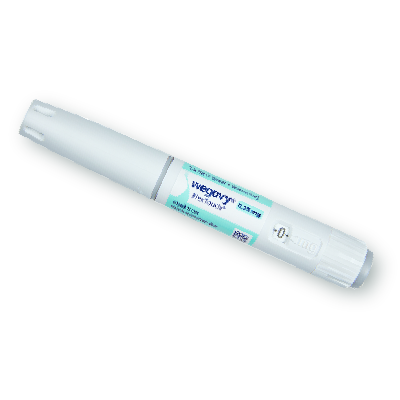

Wegovy (semaglutide) is a weight loss medication that activates GLP-1 receptors, helping people lose weight by reducing appetite and increasing feelings of fullness. The amount of weight lost varies between individuals and can depend on dose, lifestyle, and other factors.
After stopping treatment, many people notice some degree of weight regain. This is a normal physiological response, not a sign of failure. Understanding why this happens and what you can do about it helps you take practical steps to maintain health and progress over the long term.
Why stop taking Wegovy?
There are several reasons why people stop taking Wegovy:
- Cost: Long term treatment can be expensive, so people may choose to stop once they have reached or approached their personal goals.
- Side effects: Some people experience nausea or other digestive symptoms that make ongoing use difficult.
- Reaching weight targets: Once someone has achieved their desired weight or improvement in health measures, they may decide to pause or stop medication.
- Switching treatments: A healthcare provider may recommend a different approach better suited to ongoing needs.
Each of these reasons is individual and valid.
Why is weight regain so common after discontinuing Wegovy?
When Wegovy is stopped, its influence on appetite and satiety gradually ends. Many people find their appetite increases and that meals do not feel as satisfying as they did on treatment. This reflects the body’s natural restoration of its hunger and fullness signals.
At the same time, the body’s energy requirements may decrease after weight loss. Resting energy expenditure, the calories your body needs to function at rest, often falls when body weight is lower than before. Because of this combined effect, returning appetite signals and lower energy needs, weight regain is a common outcome after stopping medication, even when healthy habits are maintained.
What does the research say about weight gain after discontinuing Wegovy?
Scientific studies show that this pattern of regain is common:
- In the STEP 1 extension study, adults treated with semaglutide experienced substantial weight loss while on therapy. After stopping treatment, most participants regained a significant portion of the weight they had lost. On average, participants regained around two thirds of their weight within one year of stopping treatment, with a net weight still lower than at the start but higher than at the end of treatment. This illustrates the strong biological drivers of appetite and energy balance after discontinuation of pharmacological support (Wilding et al., 2022).
- Systematic reviews of weight loss medications reveal similar patterns: once medications like GLP-1 receptor agonists are stopped, a degree of weight regain is common, and the amount regained tends to be proportional to the weight initially lost (including semaglutide studies) (Berg et al., 2025).
These results highlight that weight management is ongoing, not a one-off event.
Can you use a maintenance dose to help after reaching your goal?
For some individuals, a reduced or maintenance dosing approach may be helpful after significant weight loss. Gradually lowering the dose, rather than stopping abruptly, may allow appetite signals and eating patterns to adjust more smoothly.
In some cases, continuing a lower dose of semaglutide under clinical supervision may help support appetite control and reduce the risk of weight regain. However, this approach is not necessary or appropriate for everyone. Suitability depends on individual health needs, treatment goals and clinical judgement, and any changes to dosing should always be discussed with your healthcare professional.
How to stop weight gain after Wegovy
Your body naturally produces hormones, including GLP-1, that help regulate appetite and support blood glucose control. Even though the pharmacological effects of Wegovy end when you stop treatment, you can still support your body’s own mechanisms through lifestyle habits. These approaches have evidence from clinical research and human studies and can help with appetite, satisfaction from food and long-term health.
Balanced eating
A consistent pattern of balanced meals can help manage hunger and support overall metabolic health:
- Aim for regular meals that include lean protein, complex carbohydrates and healthy fats. Balanced meals help with fullness and steady energy levels.
- Fibre rich foods such as vegetables, beans, legumes and whole grains support healthy digestion and satiety. Fibre also contributes to improved blood glucose control. These effects are associated with the body’s natural incretin hormone responses, including GLP-1.
- Planning meals and understanding your eating patterns can help you make choices that feel satisfying and aligned with your goals.
Although specific macronutrients do not act as directly as medication on hormone receptors, research shows that diet patterns that include protein and fibre are linked with better appetite regulation and metabolic outcomes in humans.
Physical activity
Regular physical activity supports your metabolism in several ways:
- Exercise improves insulin sensitivity and muscle strength, which are both important for metabolic health and blood glucose control.
- A clinical study found that a programme of regular physical activity after weight loss significantly increased post meal GLP-1 secretion compared with usual activity, suggesting that consistent exercise may help improve the body’s natural hormone responses after weight loss (Holt et al., 2026).
You do not need to undertake excessive workouts. Consistent, enjoyable activities such as brisk walking, cycling, swimming and strength training can all contribute to better metabolic and appetite regulation.
Sleep and stress management
Good sleep and effective stress management are important for appetite and metabolic control:
- Poor sleep quality has been associated with increased hunger and dysregulation of appetite hormones.
- Chronic stress can lead to emotional eating or irregular patterns, which makes it harder to maintain a reduced weight.
Prioritising sleep and finding ways to manage stress through relaxation, mindfulness and consistent routines helps support balanced hunger signals and overall wellbeing.
Tracking habits and progress
Keeping track of meals, activity and progress helps you understand patterns and make early adjustments if weight begins to drift upwards. Setting reasonable, incremental goals and focusing on consistent habits rather than perfection fosters long-term success.
Reach out to Phlo Clinic if you need help with your weight gain after Wegovy
Weight regain after stopping Wegovy is common for many people. Knowing why it happens and having practical strategies in place can help you maintain much of the weight you worked hard to lose. If you find hunger, cravings or lifestyle changes challenging after stopping Wegovy, you can reach out to the Phlo Clinic team for advice, encouragement and guidance that suits your situation.
References
Berg, S., Stickle, H., Rose, S. J., & Nemec, E. C. (2025). Discontinuing glucagon-like peptide-1 receptor agonists and body habitus: A systematic review and meta-analysis. Obesity reviews: an official journal of the International Association for the Study of Obesity, 26(8), e13929. https://doi.org/10.1111/obr.13929
Holt, J., Sandsdal, R. M., Byberg, S., Janus, C., Juhl, C. R., Jørgensen, J. R., Hartmann, B., Stallknecht, B., Holst, J. J., Madsbad, S., Jensen, S. B. K., & Torekov, S. S. (2026). One Year of Exercise After Weight Loss Increases Postprandial GLP-1 Secretion in Contrast to Usual Activity or GLP-1 Receptor Agonist Treatment. Obesity (Silver Spring, Md.), 34(1), 51–57. https://doi.org/10.1002/oby.70043
Wilding, J. P. H., Batterham, R. L., Davies, M., Van Gaal, L. F., Kandler, K., Konakli, K., Lingvay, I., McGowan, B. M., Oral, T. K., Rosenstock, J., Wadden, T. A., Wharton, S., Yokote, K., Kushner, R. F., & STEP 1 Study Group (2022). Weight regain and cardiometabolic effects after withdrawal of semaglutide: The STEP 1 trial extension. Diabetes, obesity & metabolism, 24(8), 1553–1564. https://doi.org/10.1111/dom.14725