

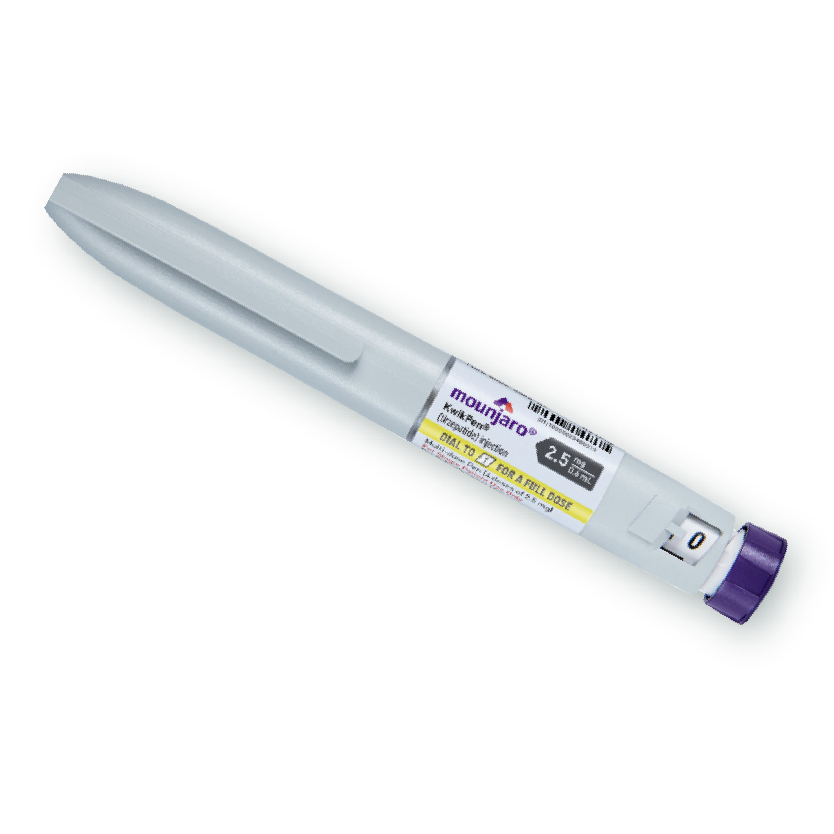
When starting a new medication like Mounjaro, it's natural to wonder how it might affect not just your body, but also your mind. While Mounjaro is primarily known for its effects on weight loss and blood sugar control, some people have questions about whether it can impact mood, anxiety, or depression.
When starting a new medication like Mounjaro, it's natural to wonder how it might affect not just your body, but also your mind. While Mounjaro is primarily known for its effects on weight loss and blood sugar control, some people have questions about whether it can impact mood, anxiety, or depression.
Understanding how this medication interacts with your mental wellbeing is key to feeling confident on your journey. In this guide, we'll cover what the FDA's most recent safety review found, what the trial and real-world evidence says about Mounjaro (tirzepatide) and mood, and how to navigate any changes in mood while on treatment.
*Note: Although these are guidelines from the US Food & Drug Administration (FDA), these are often followed by the UK Medicines and Healthcare products Regulatory Agency (MHRA|) and are still relevant to the medication itself.
Can Mounjaro cause depression?
While depression isn’t listed as a common side effect of Mounjaro in its clinical trial data or in post-marketing safety monitoring. It’s important to note that, like any medication, it can have effects on mood.
Is depression a side effect of Mounjaro?
In current clinical studies, depression has not been strongly linked to Mounjaro as a direct side effect. However, it’s always important to be aware that some people may experience psychiatric changes, including depression, when using medication like Mounjaro. These side effects are relatively rare, but if you experience any mood changes, please consult with a healthcare provider or your Mounjaro prescriber.
Mounjaro and depression: what might explain a mood change
If you notice a change in mood after starting Mounjaro, a few different things could be contributing, and they're not mutually exclusive:
- Improved self esteem and body image: Weight loss can improve self-esteem and body image, which may support better mental health for some people.
- Physical improvements: Losing weight can also ease physical discomforts, joint pain, low energy, poor sleep, that contribute to low mood, and improved blood glucose control can help stabilise energy and concentration.
- Adjustments to your relationship with food: Adjusting to a new relationship with food and appetite is a significant change, and adjustment periods can be genuinely difficult regardless of the medication's direct chemical effects.
- Pre-existing risk of poor mental health: People with obesity have higher baseline rates of depression than the general population, independent of any medication. If low mood was already present before starting Mounjaro, it can be hard to separate that from any effect of treatment.
Further research into the benefits of Mounjaro on depression
There’s growing research that suggests Mounjaro’s unique combination of GLP-1 and GIP receptor agonists may play a role in improving mood.
Both GLP-1 and GIP receptors are involved in brain function and have been shown to influence the regulation of mood and stress. Some studies suggest that Mounjaro could increase levels of serotonin and dopamine - two neurotransmitters that help regulate mood. As you lose weight and experience better physical health, this biochemical effect could help you feel more balanced and less affected by symptoms of depression.
However, other researchers have raised a hypothesis that reduced dopamine signalling in the brain's reward pathway could, in rare cases, affect mood in people with a genetic predisposition.
Both directions are early-stage findings rather than established effects, and shouldn't be read as predicting what will happen for any individual.
Can Mounjaro cause anxiety?
As with depression, anxiety is not listed as a common side effect of Mounjaro in clinical trial data.
However, some may experience feelings of anxiety, particularly during the early stages of treatment. This could be related to how Mounjaro affects appetite or the potential for gastrointestinal discomfort (such as nausea or bloating),which could lead to some stress or nervousness.
Does Mounjaro increase anxiety?
For a few people, Mounjaro might increase anxiety, especially when starting treatment. One of the ways Mounjaro works is by reducing appetite, which can sometimes cause people to feel uncomfortably full or uneasy about food. If this is the case, strategies can be used to manage this feeling.
Mounjaro and anxiety: why can Mounjaro increase anxiety levels?
If anxiety does increase when taking Mounjaro, it might be due to a few reasons:
- Gastrointestinal side effects: Nausea, bloating, or other stomach issues are common, particularly when starting Mounjaro or increasing your dose. These physical symptoms can sometimes cause feelings of stress or anxiety.
- Changes in appetite: Mounjaro works to suppress appetite and food noise, and for some people, this shift can feel strange or unsettling. It’s a big change in how your body responds to food, and it might take a little getting used to.
- Psychological effects: Changes in your body weight or appearance can be both exciting and nerve-wracking. While most people feel more confident as they lose weight, it’s possible that some individuals might experience anxiety as they adjust to these changes.
How long do mood changes on Mounjaro last?
Where mood changes are linked to Mounjaro (most often anxiety related to GI symptoms or appetite changes in the first few weeks, or after a dose increase), they typically ease as your body adjusts, generally within a few weeks. Mood changes that persist well beyond this, or that worsen over time, are not simply "part of adjusting" and are worth discussing with a healthcare provider rather than waiting out.
Managing mood changes on Mounjaro
- Track what you're noticing. A simple note of mood, sleep, appetite, and any GI symptoms can help you and your prescriber spot patterns — for example, whether low mood clusters around dose increases.
- Don't assume it's "just the medication." Because obesity itself is linked to higher rates of depression and anxiety, and major lifestyle change is stressful in its own right, it's worth discussing any mood change with a healthcare provider rather than attributing it to Mounjaro by default.
- Speak up early. If you have a personal or family history of depression or anxiety, mention this to your prescriber before starting treatment so it can be monitored appropriately.
- Seek support for persistent symptoms. If you experience sadness, hopelessness, anxiety, or mood changes that last more than two weeks, worsen, or interfere with daily life, contact your GP, your ounjaro prescriber, or one of our team of Pharmacists at Phlo Clinic.
Key takeaway
Depression and anxiety are not listed as common side effects of Mounjaro, and the FDA's January 2026 safety review found no evidence that GLP-1 medications, including tirzepatide, increase the risk of suicidal thoughts or behaviour.
However, for many people, the physical and psychological benefits of weight loss and improved blood glucose control support better mental wellbeing over time. That said, mood changes can happen, whether from GI side effects, appetite changes, the stress of a major lifestyle shift, or pre-existing risk.If you experience any significant mood changes, such as feelings of sadness, depression, or anxiety, it is important to consult a healthcare provider immediately. These symptoms may be linked to the medication, or they could reflect underlying conditions that need attention.

