
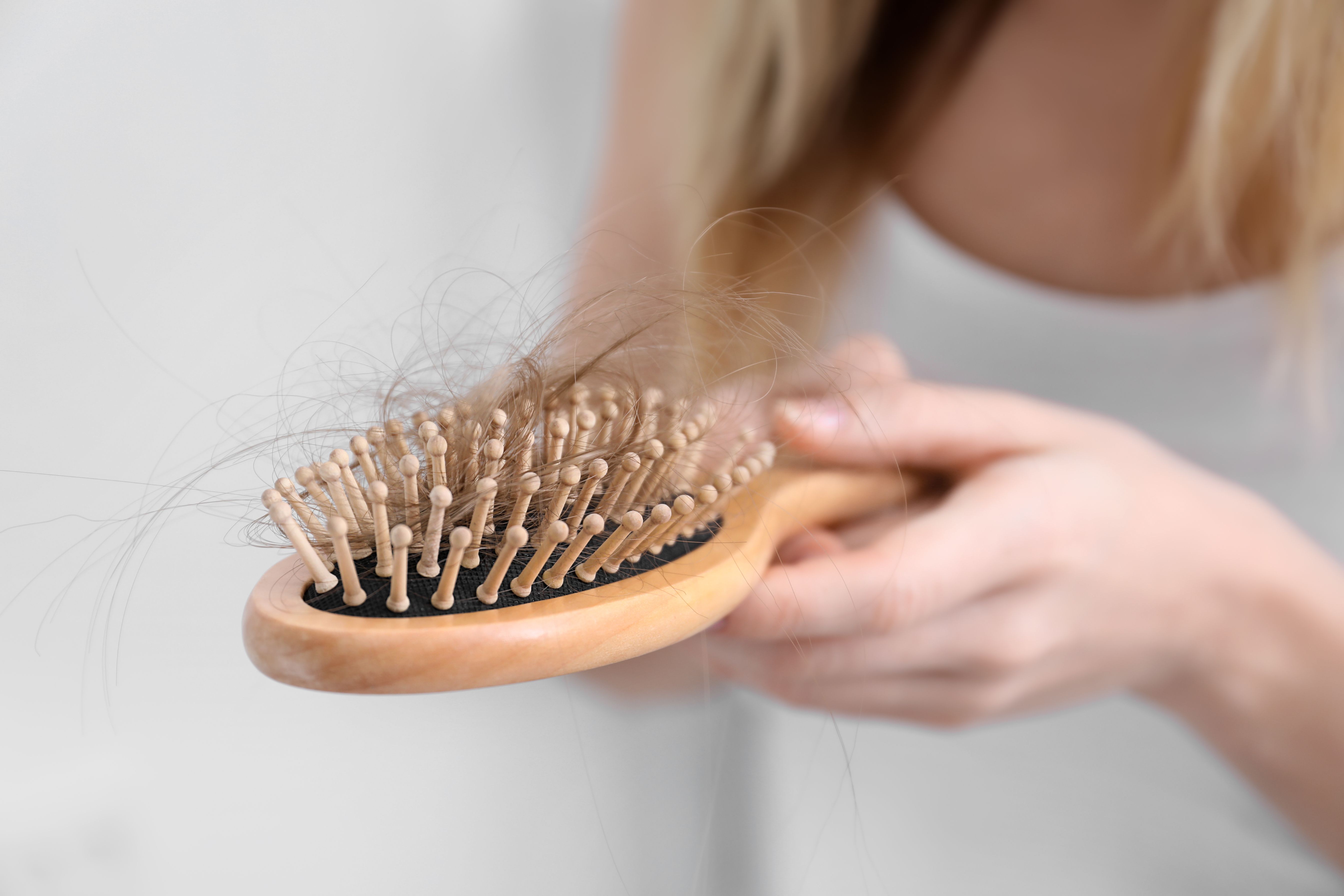


If you're taking Mounjaro for weight loss and have started to notice more hair in the shower or on your brush, you're not alone. Many people are searching online ‘does Mounjaro cause hair loss?’ Although it's not officially listed as a side effect, there’s definitely a conversation happening around it.
So, let’s take a closer look at what might be going on, whether it’s something to worry about and what you can do to help keep your hair healthy while on Mounjaro.
What is Mounjaro?
Mounjaro (tirzepatide) is a weekly injection originally developed to help manage blood glucose in people with type 2 diabetes. But recently, it’s gained popularity for another reason: weight loss. It works by mimicking the hormones in your gut to reduce appetite and improve how your body handles insulin.
For many, Mounjaro has been a game-changer. But, as with any medication, there are side effects. One concern that keeps popping up is increased hair thinning or shedding.
The link between Mounjaro and hair loss
Technically speaking, hair loss isn’t listed as a known side effect of Mounjaro in the product information or from clinical trials. But that doesn’t mean people aren’t experiencing it. In fact, plenty of patients have reported noticing hair thinning a few months after starting the medication.
So, what’s going on?
The likely answer is that Mounjaro isn’t directly causing the hair loss, but rather it’s a side effect of what’s happening in your body as a result of weight loss or dietary changes.
What causes hair loss while using Mounjaro?
There are a few reasons why you might notice hair loss on Mounjaro:
1. Rapid weight loss
Losing weight quickly can put stress on your body. This can lead to something called telogen effluvium, a common form of temporary hair loss triggered by physical stress. You might not notice it immediately, - it typically kicks in a few months after the trigger.
2. Nutritional gaps
If you're eating less due to a reduced appetite (a common effect of Mounjaro), you might not be getting enough essential nutrients or micronutrients. So it’s important you’re eating enough, especially protein, iron, zinc, and B vitamins – all of which are crucial for healthy hair growth.
3. General stress on the body
Any big changes, including weight loss, illness, or changes in medication, can cause hormonal shifts or raise your stress levels and all of these can result in hair thinning or shedding.
Do other weight loss medications cause hair loss too?
Yes, this isn’t unique to Mounjaro. Users of Semaglutide (Wegovy, Ozempic) and even people who’ve had bariatric surgery often report the same issue.
To summarise - it’s not necessarily the medication, but the rapid weight loss process that can trigger hair shedding.
Can losing weight quickly cause hair thinning?
Definitely. Rapid weight loss is one of the most common reasons people experience temporary hair loss (including shedding or thinning)
The good news is that it’s usually temporary. Most people see their hair grow back within a few months, once the body adjusts and their nutritional needs are being met again.
Tips for reducing or managing hair loss
While you might not be able to completely avoid hair loss with Mounjaro, there are things you can do to minimise it and support healthy hair growth.
1. Go slow with weight loss
Aim to lose around 0.5 to 1kg per week (that’s about 1–2 pounds a week). It might be tempting to go faster, but slower weight loss is generally healthier for your body, long-term health and hair.
2. Prioritise good nutrition
Even if you’re eating less, try to make every bite count. Focus on getting enough protein, healthy fats, complex carbohydrates, and micronutrients. Iron, biotin, and zinc are especially important for hair.
You could also speak to your doctor or pharmacist about a multivitamin - but don’t start supplements without checking first.
3. Manage stress where you can
Easier said than done, we know, but high stress levels can also contribute to hair loss. Things like gentle exercise, getting enough sleep, and mindfulness practices can really help.
4. Be kind to your hair
This one’s simple: avoid excessive heat styling, tight hairstyles, or chemical treatments while your hair is feeling fragile. The traction can make it worse, so treat your hair gently where possible.
When Should You Be Concerned?
If the hair loss is severe, ongoing for more than six months, or you’re also experiencing other symptoms (like fatigue or changes in mood), it’s worth speaking to your GP.
They might check for things like thyroid issues, anaemia, or hormonal imbalances, which can also contribute to hair loss. In some cases, they may refer you to a dermatologist or trichologist.
So, does Mounjaro cause hair loss? Not directly, but it can be part of the bigger picture when your body is adjusting to significant changes. If you’re losing weight quickly, eating less, or dealing with extra stress, your hair might take a temporary hit.
The key is to support your body with good nutrition, take things gradually, and keep in touch with your healthcare provider if anything feels off. In most cases, your hair will return to normal in time.

