

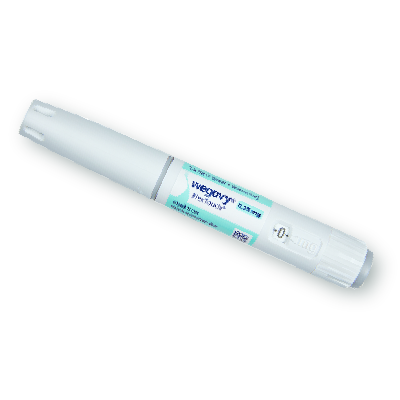
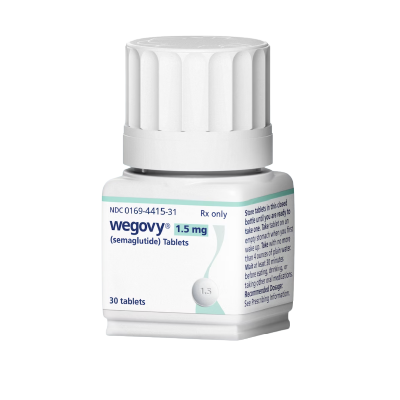
If you’re living with fatty liver disease, it’s natural to have questions about weight loss medications like Wegovy - especially whether it’s safe for your liver or could actually help improve your condition. If you’re already taking Wegovy or considering it as part of your weight loss plan, understanding how it works and how it may affect liver health is an important step in making informed decisions about your care.
Let’s take a closer look at what Wegovy may mean for people with fatty liver disease, so you can feel confident and well-informed throughout your journey.
What is fatty liver disease?
Fatty liver disease occurs when excess fat builds up in the liver cells. Many people with fatty liver disease experience no noticeable symptoms, which means the condition is often discovered incidentally during routine blood tests or imaging studies performed for unrelated reasons.
Key risk factors include carrying excess body weight, particularly around the abdomen, as well as type 2 diabetes and high blood pressure. The presence of multiple metabolic conditions significantly increases the likelihood of developing fatty liver disease, highlighting the importance of early intervention and weight management. [1]
Does Wegovy help with fatty liver disease?
Wegovy works through several key pathways that may directly support better liver health.
- Weight loss reduces liver fat. One of the most important benefits is weight reduction. Losing just 5–10% of body weight can significantly decrease fat stored in the liver, while weight loss of more than 10% may help reduce inflammation and even improve liver scarring (fibrosis). Wegovy typically supports average weight loss of 10–15%, placing many patients within the range associated with meaningful liver improvement. [2]
- Improved insulin sensitivity. Insulin resistance plays a major role in fatty liver disease. When the body doesn’t respond well to insulin, excess fat is more likely to accumulate in the liver. Wegovy helps improve insulin sensitivity, addressing one of the underlying causes of fatty liver disease.
- Reduced inflammation. Emerging research suggests that GLP-1 medications like Wegovy may have anti-inflammatory effects on the liver, beyond what can be explained by weight loss alone.
- Better blood sugar and lipid control. By lowering blood glucose levels and reducing circulating fats in the bloodstream, Wegovy creates a healthier metabolic environment, giving the liver a better chance to heal and function more effectively. [3]
What are liver enzymes?
Liver enzymes are proteins produced by liver cells that play an essential role in metabolism and overall health. They act as catalysts, helping the body carry out important chemical reactions involved in digestion, energy use, and detoxification.
Under normal circumstances, these enzymes are present in the bloodstream at low levels. However, when the liver becomes stressed, inflamed, or damaged (due to conditions such as fatty liver disease, viral hepatitis, excessive alcohol intake, or certain medications) these enzymes can leak into the blood in higher amounts. [4]
Can Wegovy cause liver enzymes to be elevated?
Current research indicates that significant increases in liver enzymes are uncommon with Wegovy, and serious liver injury caused by the medication is extremely rare.
However, it is still vital for you to report any unusual symptoms such as persistent fatigue, abdominal discomfort, dark urine, or yellowing of the skin or eyes to your healthcare team right away. Maintaining open communication and following recommended monitoring helps ensure that Wegovy is used safely and effectively as part of your weight loss journey.
If you have questions or concerns about Wegovy or your blood tests, don’t hesitate to discuss them with our Patient Care Team here at Phlo Clinic, we’re here to support you every step of the way.
References
[1] British Liver Trust. Liver disease in numbers – key facts and statistics. https://britishlivertrust.org.uk/information-and-support/statistics/
[2] Vilar-Gomez E, Martinez-Perez Y, Calzadilla-Bertot L, et al. Weight loss through lifestyle modification significantly reduces features of nonalcoholic steatohepatitis. Gastroenterology. 2015;149(2):367-378.
[3] Newsome P, Francque S, Harrison S, et al. Effect of semaglutide on liver enzymes and markers of inflammation in subjects with type 2 diabetes and/or obesity. Aliment Pharmacol Ther 2019;50:193-203.
[4] Kalas MA, Chavez L, Leon M, Taweesedt PT, et al. Abnormal liver enzymes: A review for clinicians. World J Hepatol. 2021 Nov 27;13(11):1688-1698. doi: 10.4254/wjh.v13.i11.1688. PMID: 34904038; PMCID: PMC8637680.
[5] Zhu K, Kakkar R, Chahal D et al. Efficacy and safety of semaglutide in non-alcoholic fatty liver disease. World J Gastroenterol. 2023 Oct 7;29(37):5327-5338. doi: 10.3748/wjg.v29.i37.5327. PMID: 37899788; PMCID: PMC10600803.
