
Wegovy and Eye Health: What the Latest Research Tells Us
Media reports suggest that people using Wegovy (semaglutide) may face a higher risk of sudden sight loss compared with those taking other diabetic medications. Headlines like this can understandably cause concern for patients currently using semaglutide for weight management. However, it’s important to remember that such reports are based on early findings and do not necessarily show that the medication directly causes this problem.
The MHRA (the UK government agency responsible for regulating medicines) confirmed in February 2026 that a very rare eye condition called NAION (non-arteritic anterior ischaemic optic neuropathy) has been linked to semaglutide, potentially affecting up to 1 in 10,000 users. That is an extremely small absolute risk; however, it is one that patients and clinicians involved in the care of GLP-1 patients should be aware of.
Below, we take a closer look at what NAION is, what the research shows, who may be at higher risk, and what to do if you notice any changes in your vision while taking Wegovy.
What is Wegovy (semaglutide)?
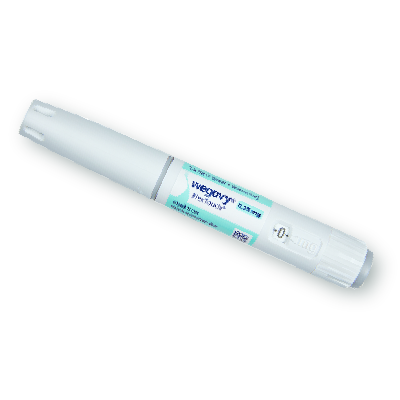
Wegovy is a once-weekly injectable medication containing semaglutide, a glucagon-like peptide-1 (GLP-1) receptor agonist. It works by mimicking the GLP-1 hormone, which helps regulate blood sugar levels, slows digestion, and reduces appetite, making it easier to eat less and lose weight.
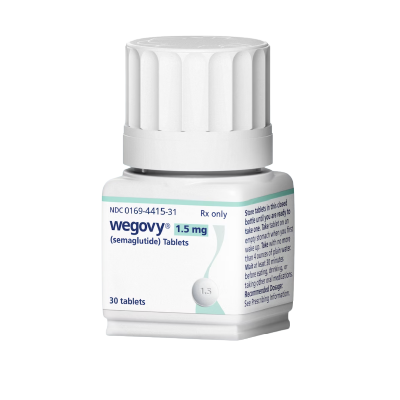
Wegovy is licensed in the UK for weight management in adults with a BMI of 30 or above, or 27 or above with at least one weight-related health condition. It is the same active ingredient as Ozempic (used for type 2 diabetes) and Rybelsus (an oral tablet), but at a higher dose of up to 7.2mg weekly (for certain patients).
That higher dose is directly relevant to the eye health discussion below.
What is NAION, and why does it matter?
Non-arteritic anterior ischaemic optic neuropathy (NAION) is a condition caused by reduced blood flow to the front part of the optic nerve. It is sometimes described as an "eye stroke."
NAION typically causes sudden, painless vision loss in one eye, often described by patients as blurring or cloudiness. In most cases, vision loss is permanent, and there is currently no effective treatment. It is the second most common cause of optic nerve damage in adults after glaucoma, with a general population incidence of roughly 0.2 to 1 case per 10,000 based on different studies.
Who is at risk of NAION generally?
NAION has established risk factors that exist independently of any medication. These include:
- Male sex (men are affected more frequently than women)
- Age over 50
- High blood pressure or cardiovascular disease
- Diabetes with end-organ damage
- A small, crowded optic disc (an anatomical feature present from birth)
- Obstructive sleep apnoea
Understanding these underlying risk factors is important when interpreting research about Wegovy. NAION can occur for a number of reasons, and many people who use weight-management treatments may already have some of these factors before starting medication. This is why it’s important to consider a person’s overall health and medical history when looking at the research, rather than focusing on any single factor in isolation.
What Does the Research on Wegovy and NAION Show?
Research establishing a possible connection between semaglutide and NAION has been gradually emerging in the medical literature since 2024.
The studies so far
The first formal reporting of an association was in 2024 by Hathaway et al (JAMA Ophthalmology, July 2024). Upon reviewing just over 16800 patients, research found that patients with type 2 diabetes had around a 7.6 times higher risk of developing NAION when on semaglutide to those that were not. Crucially, the greatest risk appeared within the first year of treatment.
One of the largest studies conducted so far was the Danish national cohort study (2024) which followed over 400,000 patients with type 2 diabetes for five years. Results showed that those taking semaglutide once weekly had around twice the risk of developing NAION to those without GLP-1 treatment, even after accounting for other risk factors that could increase the risk of the patient developing the condition.
JAMA Ophthalmology's larger retrospective study (2025) examined data from approximately 37 million adults. It found a small but real increase in risk of NAION among people taking these medications. The increase was much smaller than earlier studies suggested, but it still showed the same overall pattern — a slightly higher risk compared to people not taking the medication.
British Journal of Ophthalmology study (March 2026) reviewed U.S. safety reports between 2017 and 2024 and found a 5 times increased risk with users taking 2.4mg Wegovy than those taking lower-dose semaglutide (Ozempic, up to 2mg).
In the same study, Rybelsus tablets and tirzepatide (Mounjaro) were not associated with an increased risk.
It’s important to know that the studies looking at a link between Wegovy and (NAION) are observational. This means they can show patterns or associations, but they don’t prove that the medication directly causes the condition. People taking Wegovy for weight management may already have a higher baseline risk for certain eye and vascular issues compared with the general population. So far, researchers haven’t identified a clear biological reason why semaglutide would cause NAION, which means other factors are likely involved.
What regulators like MHRA and EMA have said about Wegovy and eye health
Regulatory bodies have reviewed the accumulating evidence and taken action, which is an important signal that the risk is real even if rare.
The MHRA (UK) issued a Drug Safety Update on 5 February 2026, updating product information for Wegovy, Ozempic, and Rybelsus to include NAION as a possible side effect. The MHRA noted that in the UK, only three spontaneous Yellow Card reports (a report allowing patients or healthcare professionals in the UK to report side effects so regulators can monitor medicine safety) suggestive of NAION had been received since semaglutide's first authorisation in 2018, against an estimated 10.2 million packs prescribed in the past five years.
The European Medicines Agency (EMA) reached a similar conclusion through its Pharmacovigilance Risk Assessment Committee (PRAC), classifying NAION as a "very rare" side effect of semaglutide, defined as affecting up to 1 in 10,000 users. EU patient leaflets for Wegovy, Ozempic, and Rybelsus have been updated accordingly.
The World Health Organization (WHO) issued a safety alert in June 2025, noting the widespread global use of semaglutide and the serious, irreversible nature of NAION as reasons for the alert, even given the very low absolute risk.
What this means in practice: the regulatory response reflects appropriate caution, not alarm. Product information is being updated so that patients and clinicians can recognise symptoms early. Overall, these medicines are still considered to have more benefits than risks when used to treat obesity.
Phlo Clinic has updated its guidance to avoid people starting GLP-1 treatments (such as Wegovy) who have a history of certain eye conditions, including NAION.
Our clinicians continue to prescribe with your safety and wellbeing at the forefront, and we’ve also updated our monthly check-ins to ask about any sudden changes in your vision, so we can pick up any concerns early.
If you do notice any new side effects (especially changes to your vision) we take these seriously and follow strict reporting procedures to keep you safe.
How Wegovy May Be Affecting the Eyes
No confirmed biological mechanism has been established, but researchers have proposed several ways semaglutide could theoretically affect optic nerve blood flow.
Blood pressure reduction
Semaglutide can lower blood pressure, which is usually a good thing for heart health. However, if blood pressure drops too much, it may reduce the blood flow and oxygen reaching the optic nerve in the eye. In rare cases, this could lead to damage.
As NAION is attributed to a reduced blood pressure at the optic nerve this may also explain why the condition doesn’t usually happen straight away, but can develop after being on the treatment for a few months.
Rapid changes in blood glucose
For people with diabetes, a quick drop in blood sugar levels can temporarily affect the eye and put some strain on its blood vessels.
However, most cases of this eye condition linked to semaglutide have been seen several months after starting treatment. This suggests that rapid changes in blood sugar are unlikely to be the main cause.
Dose and how the medicine is taken
Some studies suggest that higher-dose injectable semaglutide (like Wegovy) may be linked to a higher risk of developing NAOIN than lower-dose versions (like Ozempic). Tablets (Rybelsus) and similar medications such as tirzepatide (Mounjaro) have not shown this increased risk.
One possible reason is that injections lead to higher levels of the medicine in the bloodstream because they are absorbed directly, more than tablets, which might affect how blood flow is controlled in the eye.
That said, the exact cause is not yet fully understood. More research is needed before we can say for certain why this happens.
Other Eye Changes That May Occur on Wegovy
NAION is the most serious eye-related concern associated with Wegovy, but it is not the only one reported by patients. Although they are mainly mild and temporary, it is worth being aware of the following:
Blurred or fluctuating vision
Some people may notice blurred or slightly unstable vision when starting Wegovy or when the dose is increased. This is usually due to changes in blood sugar levels, which can temporarily affect how the eye focuses.
These changes are usually short-term and tend to settle within the first few weeks as your body adjusts to the treatment.
Dry eyes
Dry eyes are not a recognised side effect of Wegovy, but some people may notice dryness, irritation, or a gritty feeling in their eyes.
This is likely due to indirect effects, for example, eating or drinking less, or feeling nauseous, which can lead to mild dehydration and affect tear production.
Simple steps like staying well hydrated, taking breaks from screens, and using lubricating eye drops can usually help.
If symptoms continue or get worse, it’s a good idea to speak to a healthcare professional.
Diabetic retinopathy considerations
If you have diabetes, a rapid improvement in blood sugar levels (which can happen with semaglutide) may sometimes temporarily worsen diabetic eye disease (retinopathy). This is a known effect when blood sugar improves quickly and is not specific to this medication.
That’s why it’s important to keep up with regular eye screening. In England, the NHS offers annual diabetic eye checks for everyone with diabetes to help detect and manage any changes early.
What Should You Do If You Notice Vision Changes on Wegovy?
Knowing what to watch for, and how to respond, is the most practical takeaway from all the research above.
Symptoms that require urgent attention
The following symptoms should be treated as a medical emergency. Do not wait for a routine appointment:
- Vision that deteriorates rapidly over hours or days
- A dark patch, shadow, or blurring that appears without warning
- Sudden loss of vision in one eye, even if partial
If you experience any of these, go to the emergency department of a nearby eye hospital or a general A&E immediately. Tell the treating team that you are taking semaglutide (Wegovy). As the MHRA has noted, privately prescribed semaglutide may not appear on your NHS medical record, so it is important to mention it yourself.
If NAION is confirmed, the MHRA advises that semaglutide treatment should be stopped.
Symptoms that can be monitored
The following symptoms are more likely to be temporary and not serious, and are often linked to your body adjusting to treatment:
- Mild blurred vision that comes and goes and improves over time
- Dry or irritated eyes
It’s still a good idea to mention these at your next check-in. If they don’t improve or start to get worse, you should seek medical advice sooner.
Routine eye health
There is no current recommendation for routine ophthalmology screening specifically because of Wegovy use in people without pre-existing eye conditions. However, if you have diabetes, high blood pressure, or a known eye condition, ensuring your regular eye checks are up to date is important.
Is Wegovy safe to take?
This is an important question if you’re taking Wegovy or thinking about starting it.
Being overweight or living with obesity increases the risk of serious health problems like heart disease, type 2 diabetes, some cancers, and a shorter life expectancy. Wegovy has been shown to help people lose a significant amount of weight (around 15% on average), while also improving blood pressure, blood sugar, and overall heart health.
On the other hand, the risk of NAION is considered very rare. Health authorities describe this as affecting up to 1 in 10,000 people. In the UK, only a small number of cases have been reported over several years, even though millions of prescriptions have been issued.
Based on all the available evidence, regulators agree that the benefits of semaglutide still outweigh the risks. The manufacturer also states that there isn’t enough evidence to show that the medication directly causes NAION, but monitoring is ongoing.
The key message is not to stop taking Wegovy without medical advice. Instead, it’s important to be aware of possible symptoms, know what to look out for, and seek help quickly if anything changes — early action matters.
If you’re worried about your personal risk, speak to your clinician. They can help you weigh up the benefits and risks based on your individual situation.
Summary
- NAION is a very rare but serious eye condition that can cause sudden, permanent vision loss in one eye.
- Multiple studies have found an association between injectable semaglutide and NAION, with the risk appearing higher at the higher doses used in Wegovy (2.4mg) than in Ozempic (2mg).
- Rybelsus (oral semaglutide) and tirzepatide (Mounjaro) have not shown an increased risk in current studies.
- The MHRA, EMA, and WHO have all updated guidance to reflect NAION as a very rare possible side effect of semaglutide, affecting up to 1 in 10,000 users.
- Health regulators agree that the benefits of Wegovy still outweigh the risks, and no official guidance recommends stopping treatment as a precaution.
- Sudden or rapidly worsening vision loss in one eye requires immediate A&E attendance.
- Speak to your clinician if you have risk factors for NAION or concerns about your eye health while on semaglutide.
If you have any concerns while taking Wegovy, or if you have questions before starting treatment, our team are here to help. We understand that safety is a top priority, and we’re happy to provide guidance, discuss potential risks, and support you in making informed decisions about your treatment.
References
- MHRA. (2026, February 5). Semaglutide (Wegovy, Ozempic and Rybelsus): risk of non-Arteritic Anterior Ischemic Optic Neuropathy (NAION). Drug Safety Update. GOV.UK. https://www.gov.uk/drug-safety-update/semaglutide-wegovy-ozempic-and-rybelsus-risk-of-non-arteritic-anterior-ischemic-optic-neuropathy-naion
- Hathaway, J.T., Shah, M.P., Hathaway, D.B., et al. (2024). Risk of non-arteritic anterior ischemic optic neuropathy in patients prescribed semaglutide. JAMA Ophthalmology, 142(8), 732–739. https://jamanetwork.com/journals/jamaophthalmology/fullarticle/2820255
- Simonsen, E., Lund, L.C., Ernst, M.T., et al. (2025). Use of semaglutide and risk of non-arteritic anterior ischemic optic neuropathy: A Danish-Norwegian cohort study. Diabetes, Obesity and Metabolism. https://pubmed.ncbi.nlm.nih.gov/40098249/
- Wang, L., Volkow, N.D., Kaelber, D.C., Xu, R. (2025). Semaglutide or tirzepatide and optic nerve and visual pathway disorders in type 2 diabetes. JAMA Network Open, 8(8), e2526327. https://pubmed.ncbi.nlm.nih.gov/40788646/
- Lakhani, M. et al. (2026). Semaglutide and NAION: analysis of FDA adverse event reporting system data. British Journal of Ophthalmology. https://pubmed.ncbi.nlm.nih.gov/41807083/
- EMA PRAC. (2025). PRAC concludes eye condition NAION is a very rare side effect of semaglutide medicines Ozempic, Rybelsus and Wegovy. https://www.ema.europa.eu/en/news/prac-concludes-eye-condition-naion-very-rare-side-effect-semaglutide-medicines-ozempic-rybelsus-wegovy
- WHO. (2025, June 27). The use of semaglutide medicines and risk of non-arteritic anterior ischemic optic neuropathy (NAION). https://www.who.int/news/item/27-06-2025-27-06-2025-semaglutide-medicines-naion
- Akil, H., Burgess, J., Nevitt, S., et al. (2022). Early worsening of retinopathy in type 1 and type 2 diabetes after rapid improvement in glycaemic control: a systematic review. Diabetes Therapy, 13, 1–23. https://pubmed.ncbi.nlm.nih.gov/34928488/