

What is Gastric Bypass Surgery?
Weight loss surgery, commonly known as bariatric surgery, is a treatment for those who are severely obese. The main types of weight loss surgery are gastric bypass, gastric band, gastric balloon and sleeve gastrectomy. Most people will undergo gastric bypass surgery for obesity treatment. In order to be considered for NHS weight loss surgery, the person will have to have a Body Mass Index (BMI) of 40 or more. They will also have had to tried to lose weight through a healthy diet, exercise and medicine previously.
In gastric bypass surgery, surgeons will divide the stomach, which will create a small pouch at the top and leave the rest of the stomach. The small intestine is also cut and brough up towards the stomach. During the surgery, the sectioned part of the stomach is connected directly to the small bowel. This operation is called a Roux-en-Y by surgeons, and it can help to lose two thirds of a person's excess weight as food will now pass from the new smaller pouch directly to the middle of the small intestine.
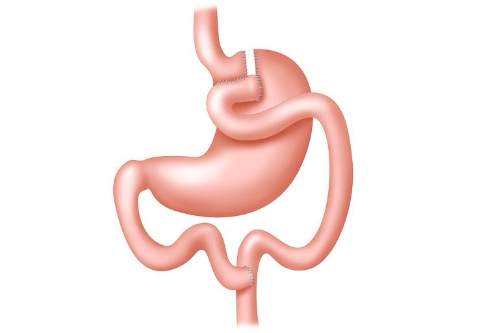
After the surgery has been completed, the food consumed will move past most of the stomach and the first part of the small bowel. The person will start to feel fuller after eating smaller amounts of food. This surgery will also cause a change in hormone signals that pass between the bowel and the brain. Typically, the person who undergoes the surgery is most likely to lose the most weight in the first year after surgery and the rest in following months after.
How does gastric bypass surgery work?
Prior to the surgery, the GP will refer the person to a team of specialists. At this stage they will assess the person’s overall physical health through blood and urine tests along with X-rays and scans to check if the patient has blood clots, ulcers or hernias. In addition to physical health, the specialist teams will also assess the mental wellbeing of the person. This includes the ability to cope with the longer-term effects of weight loss surgery and how the person will adjust to lifestyle changes as well as attending appointments after surgery and taking supplements.
The team will also check eating habits and diet in order to understand how the person has already tried to lose weight and the methods they have undertaken. These checks are necessary to decide whether weight loss surgery is suitable, and which type of surgery is recommended based on the assessment.
After gastric bypass surgery, the patient can usually leave hospital 1 to 3 days after surgery. Then after 4 to 6 weeks the person can return to normal activities. However now that the stomach is smaller, the person must make changes to eating and drinking habits after the operation.
It is recommended by the NHS, to eat and chew more slowly, particularly during the early stages of recovery. As well as avoiding eating food that may block the stomach such as soft white bread. Vitamin and mineral supplements are encouraged during the recovery period.
After surgery, a diet plan is given for the person to follow. These vary from person to person, but a typical plan after surgery is:
- first 2 weeks – water and fluids (for example, thin soup)
- weeks 3 and 4 – runny food (for example, yoghurt or puréed food)
- weeks 5 to 8 – soft food (for example, mashed potato)
- week 8 onwards – gradually return to a healthy, balanced diet
Why gastric bypass surgery isn't always the right answer
However weight loss surgery can make it hard for the gut to absorb the required vitamins and minerals from food, there is a risk that a person could become malnourished after surgery.
Sometime patients may not show any symptoms of malnourishment however some symptoms include feeling tired or lacking energy, shortness of breath, palpitations, paler than usual skin, pins and needles and feeling weak.
Weight loss surgery is a regular and safe procedure. However, there are many risks with an operation, and the doctor will explain some of these risks to the person prior to undergoing the surgery. Some of the most common complications that can arise are blood clots and stomach leaking.
Blood clots are possible after weight loss surgery due to how the blood flow and clots are affected after surgery. These can start in the lower leg known as deep vein thrombosis or may dislodge and travel towards the lungs known as pulmonary embolism. In the days and weeks following gastric bypass surgery, there is a chance that food could leak out of the stomach. This can cause a serious infection inside the abdomen that will need antibiotic treatment.
After bariatric surgery, patients are at a greater risk of nutritional deficiencies which requires monitoring and routine nutritional supplements. Usually if patients have one deficiency, they will experience other deficiencies. Common deficiencies include Vitamin B12, which requires regular Vitamin B12 injections as well as Copper/Zinc deficiencies which require supplementation. Due to these deficiencies the person may suffer from Anaemia, blood disorders, cardiomyopathy, hair loss and more.
In addition to these deficiencies, the patient may experience vomiting, dysphagia or regurgitation. Although these are not normal consequences of bariatric surgery they should be investigated if they occur. Common ways this may happen include if a patient eats too fast, incorrect food texture or too much food. Those who experience prolonged vomiting may be at risk of thiamine deficiency found with poor nutritional intake or rapid weight loss.
Weight loss injections as non-surgical alternatives to gastric bypass
Wegovy (Semaglutide)
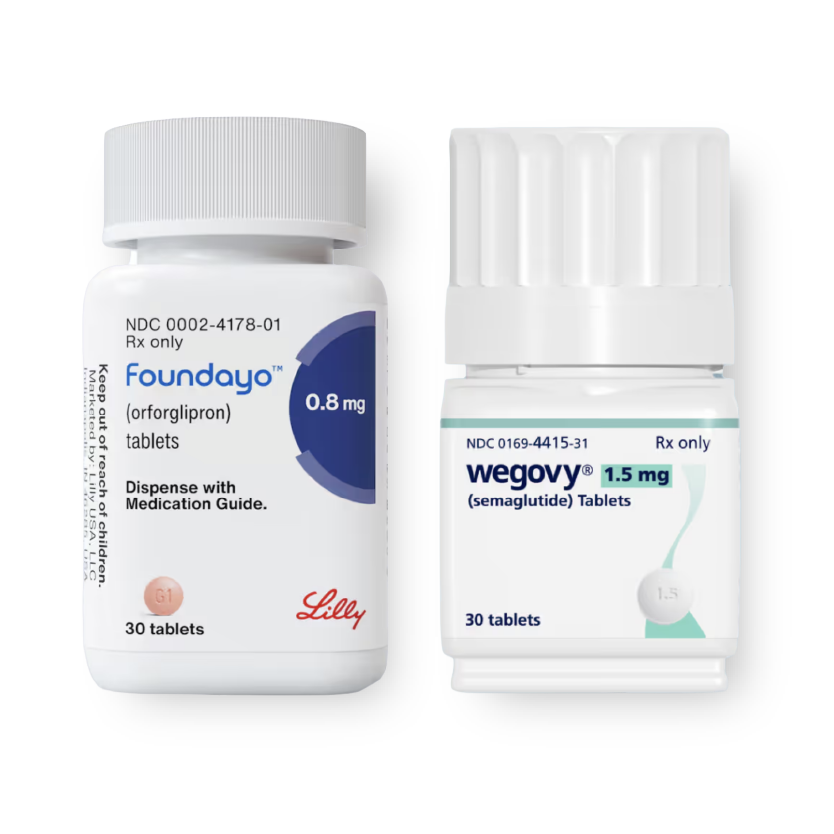
Wegovy is a prescription weight loss medication known as a GLP-1 agonist. Wegovy contains the active ingredient Semaglutide which works by mimicking the hormone called GLP-1 (glucagon-like peptide 1). Wegovy works by binding to the same receptors as GLP-1 which in turn has the same effect of making you feel fuller while reducing your appetite to help manage food cravings.
Wegovy has a starting dose of 0.25mg once per week, to be taken over a 4-week period. After this 4-week period, you can carry on with the same strength or move to a higher dose once you have discussed your prescription with our clinical team of prescribing pharmacists.
They will be able to advise whether you should move to a higher dose or if you should remain on that dose. The higher doses include 0.5mg, 1mg, 1.7mg and 2.4mg.
Wegovy (Semaglutide 2.4mg weekly injection) is FDA approved for chronic weight management alongside diet and exercise.
Mounjaro (Tirzepatide)
Tirzepatide (Mounjaro) works by stimulating receptors for two hormones: glucagon-like peptide-1 (GLP-1) and gastric inhibitory polypeptide (GIP). GLP-1 helps to regulate blood glucose levels, suppressing your appetite and slowing down the emptying of the stomach to keep hunger at bay. GIP enhances the effects of GLP-1 by regulating the energy balance in your brain and fat cells. By stimulating both the GIP and GLP-1 receptors, the active ingredient in Mounjaro (Tirzepatide) can help you lose up to 20% of your body weight when used at the higher range of the recommended doses. This is an extra 5% compared to results in trials with other weight loss drugs such as Ozempic and Wegovy, which only stimulate the GLP-1 receptor.
Mounjaro Kwik Pens come in doses of 2.5mg, 5mg, 7.5mg, 10mg, 12.5mg and 15mg. Dosage for Mounjaro starts at 2.5mg.
The average monthly cost of a typical weight loss injection such as Mounjaro, ranges from £149 to £319 whereas the average monthly cost of Wegovy ranges from £89 to £199.
In comparison, gastric bypass surgery in the UK will usually cost between £5K and £15K. This cost is dependent on the type of procedure and the aftercare associated. Prices are highest for treatments such as gastric bypass and lowest for gastric balloon treatments.
GLP-1 vs Gastric Bypass Surgery
Both weight loss injections and bariatric surgery can lead to an increase in weight loss and improvements for overall health. However, they do differ in recovery, risk and impact on lifestyle.
GLP-1 injections such as Wegovy and Mounjaro can help lose up to 50% more than dieting alone over a predicted period of 1-2 years. Compared with weight loss surgery, which can help to lose 70% excess weight loss depending on the surgery within the first 18 months. While a surgical procedure tends to produce results quicker with greater initial weight loss, GLP-1 injections can offer a safer, non-surgical approach which may offer fewer complications and only require an adjustment to lifestyle and can give the option of a gastric bypass alternative.
Can I take Mounjaro or Wegovy after gastric bypass surgery?
The answer is yes, if weight gain returns after surgery, a clinician may prescribe Mounjaro or Wegovy to suppress appetite and support further weight management. However, it is usually recommended to wait at least 12 months after any type of bariatric surgery before starting GLP-1 treatments.
Which option is correct for you?
This usually depends on your BMI, other health conditions and comorbidities as well as how you may react to long-term lifestyle changes. While bariatric surgery may be more suitable for those with a BMI over 40 and can offer a more dramatic and quick weight loss, Weight loss injections can provide a non-surgical, reversible option for those who may not qualify for bariatric surgery. Some people may use a combination of both treatments to achieve a healthy weight and lifestyle.

