
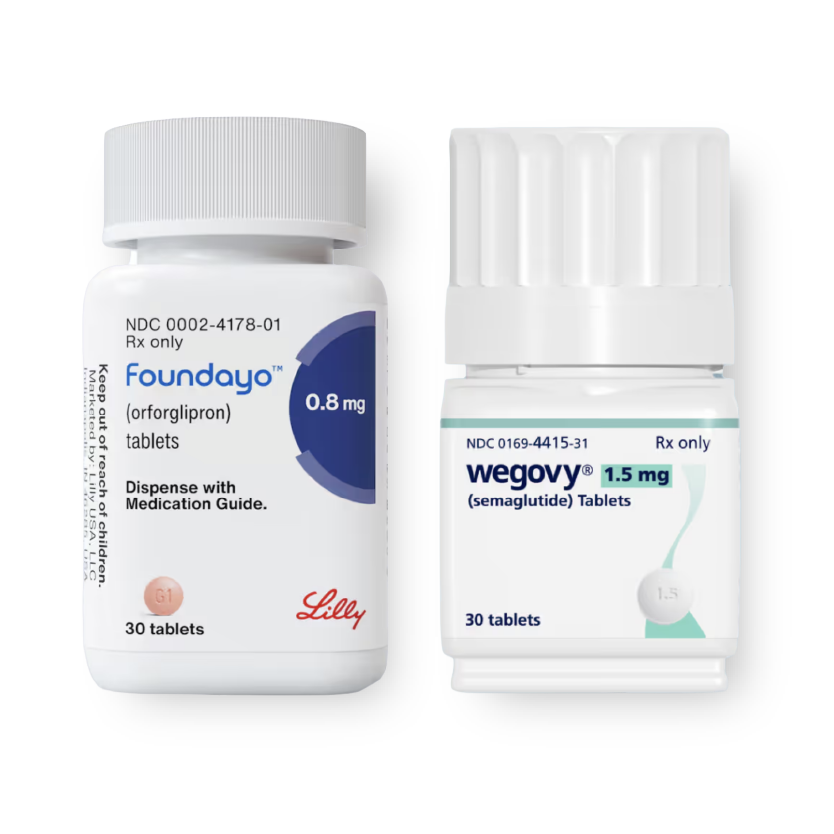
GLP-1 medications, such as Wegovy (semaglutide), Mounjaro (tirzepatide) and Saxenda (liraglutide), are very effective for controlling blood glucose and supporting weight loss. One nutrient that’s important to keep an eye on is iron.
This matters because:
- People living with obesity are more likely to have low iron (Alshwaiyat et al., 2021)
- GLP-1 medications can reduce appetite and portion sizes, which may lower iron intake (Almandoz et al., 2024)
Why Iron Is Important
Iron helps make haemoglobin, the protein in red blood cells that carries oxygen around the body. It also supports energy, muscles, and the immune system because it is needed for the activity of several important enzymes (StatPearls Publishing, 2023).
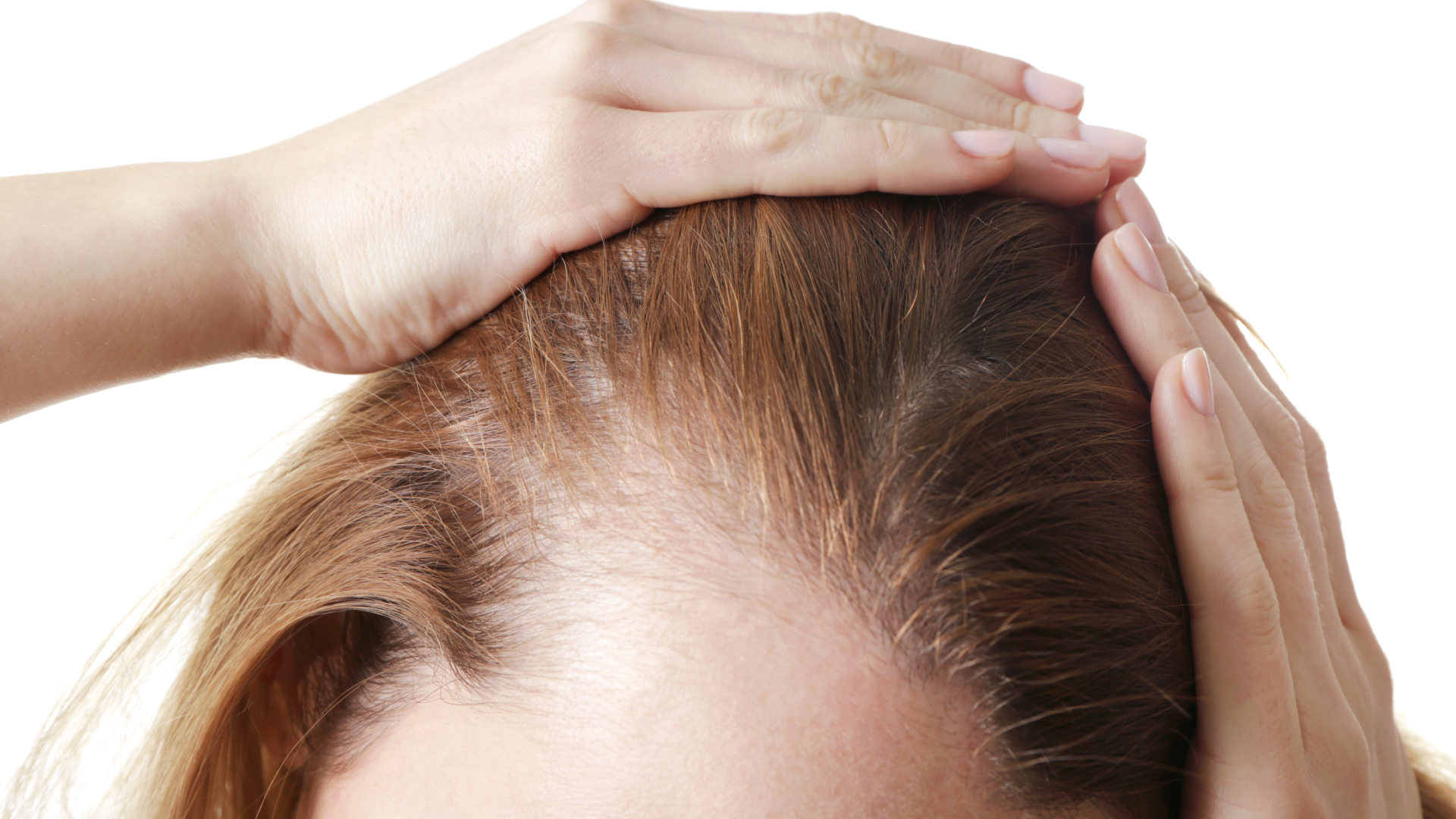
Hair shedding (telogen effluvium) can happen after rapid weight loss or reduced intake of calories/protein/iron and other nutrients.
Types of Iron in Food
Iron comes from different foods, and the body absorbs it differently depending on the source:
Haem Iron
- Found in animal-based foods
- Generally absorbed efficiently, and absorption is less affected by other foods
Sources:
- Chicken or turkey (thighs or drumsticks)
- Liver or other organ meats
- Red meat is a rich source of haem iron; intake depends on individual preferences and health goals
- Sardines, mackerel, or tinned tuna
- Other fish such as salmon or trout
Non-Haem Iron
- Found in plant-based foods and eggs
- Generally absorbed less efficiently, and absorption can be helped or hindered by what else you eat or drink
Sources:
- Lentils, chickpeas, beans
- Tofu or tempeh
- Leafy greens such as spinach, kale, or Swiss chard
- Seeds like pumpkin, sunflower, or sesame
- Whole grains such as quinoa, oats, or fortified cereals
- Nuts such as cashews or almonds
- Vegetables such as broccoli, peas, or green beans
- Eggs
Both types are important.
Tips to Improve Iron Absorption
Include vitamin C with meals
Vitamin C helps your body absorb iron from plant-based foods (non-haem iron). You don’t need exact pairings, just include some vitamin C with meals:
- Add peppers, tomatoes, or a squeeze of lemon to meals with beans, lentils, or leafy greens
- Include citrus fruits or berries with breakfast or snacks
- Add broccoli or other vitamin C-rich vegetables to main meals
Timing of tea, coffee, and milk
Try not to have tea/coffee with iron-rich meals; if you rely heavily on plant iron, consider spacing high-calcium foods away from those meals.
How GLP-1 Medications May Affect Iron
GLP-1 medications work by slowing digestion, reducing appetite, and making you feel fuller sooner. While this helps with weight loss, it can sometimes reduce the amount and variety of food you eat. Over time, this can affect your iron intake.
Here’s how:
- Smaller meals and fewer calories – Because you’re eating less overall, it’s important to include a variety of nutrients, including iron (Urbina et al., 2026).
- Less variety of iron-rich foods – Foods like beans, lentils, leafy greens, and fish may appear less often in your meals.
- Tummy upset or nausea – Some people feel nauseous or have slower digestion when starting GLP-1 therapy, which can make it harder to eat certain foods.
That’s why it’s important to eat a variety of iron-rich foods.
When to Think About Checking Iron
Most people don’t need to see a GP just because they are taking a GLP-1 medication. Eating a variety of iron-rich foods and including vitamin C with plant-based iron is usually enough.
You may need to have iron levels checked if you notice:
- Persistent hair thinning or shedding across the scalp
- Feeling unusually tired for several weeks
- Feeling very cold more often than usual
- Pale skin or shortness of breath
A blood test can show whether your iron levels are low and help determine if supplementation is needed, under medical supervision.
Important Notes About Iron
The genetic condition haemochromatosis causes the body to store too much iron. If you have haemochromatosis, you will need support from your doctor, and treatment usually involves medical therapies rather than changes in diet. With this condition, you cannot reduce the amount of iron in your body just by changing what you eat.
Some medical conditions can make it harder for your body to absorb iron. These include coeliac disease, Crohn’s disease, malabsorptive disorders, and a history of gastric bypass surgery. People with these conditions may have increased iron needs and often require supplementation to maintain adequate iron stores.
Key Points
- GLP-1 medications don’t usually directly cause iron deficiency, but reduced intake, GI side effects, and (in some cases) reduced absorption can increase risk.
- Eating a variety of iron-rich foods and pairing plant-based iron with vitamin C can help keep iron levels healthy.
- Many people won’t need testing unless symptoms persist or worsen — but check with your GP if you’re concerned, especially if symptoms last over 6–8 weeks.
References
Almandoz, J. P., Wadden, T. A., Tewksbury, C., Apovian, C. M., Fitch, A., Ard, J. D., Li, Z., Richards, J., Butsch, W. S., Jouravskaya, I., Vanderman, K. S., & Neff, L. M. (2024). Nutritional considerations with antiobesity medications. Obesity (Silver Spring, Md.), 32(9), 1613–1631. https://doi.org/10.1002/oby.24067
Alshwaiyat, N. M., Ahmad, A., Wan Hassan, W. M. R., & Al-Jamal, H. A. N. (2021). Association between obesity and iron deficiency (Review). Experimental and therapeutic medicine, 22(5), 1268. https://doi.org/10.3892/etm.2021.10703
Urbina, J., Salinas-Ruiz, L. E., Valenciano, C., & Clapp, B. (2026). Micronutrient and Nutritional Deficiencies Associated With GLP-1 Receptor Agonist Therapy: A Narrative Review. Clinical obesity, 16(1), e70070. https://doi.org/10.1111/cob.70070
StatPearls Publishing. (2023). Dietary iron: Physiology and clinical importance. In StatPearls. NCBI Bookshelf. https://www.ncbi.nlm.nih.gov/books/NBK540969

